Container Gardening for Beginners: 12 Easy Ideas to Start Today
Container gardening for beginners is the easiest way to start growing plants when you have no garden bed, only a balcony, patio, or sunny doorstep. With a few pots, some fresh potting mix, and a little daily attention, you can grow herbs, flowers, and even vegetables in the smallest spaces. Containers let you control the soil, move plants into sun or shade, and start small without digging up a yard. In this guide, you will find 12 simple ideas that take you from choosing your first pot to harvesting your first leaves. Whether you have a tiny balcony or a big patio, these ideas will help you grow with confidence. That is why container gardening for beginners is such a forgiving way to learn.
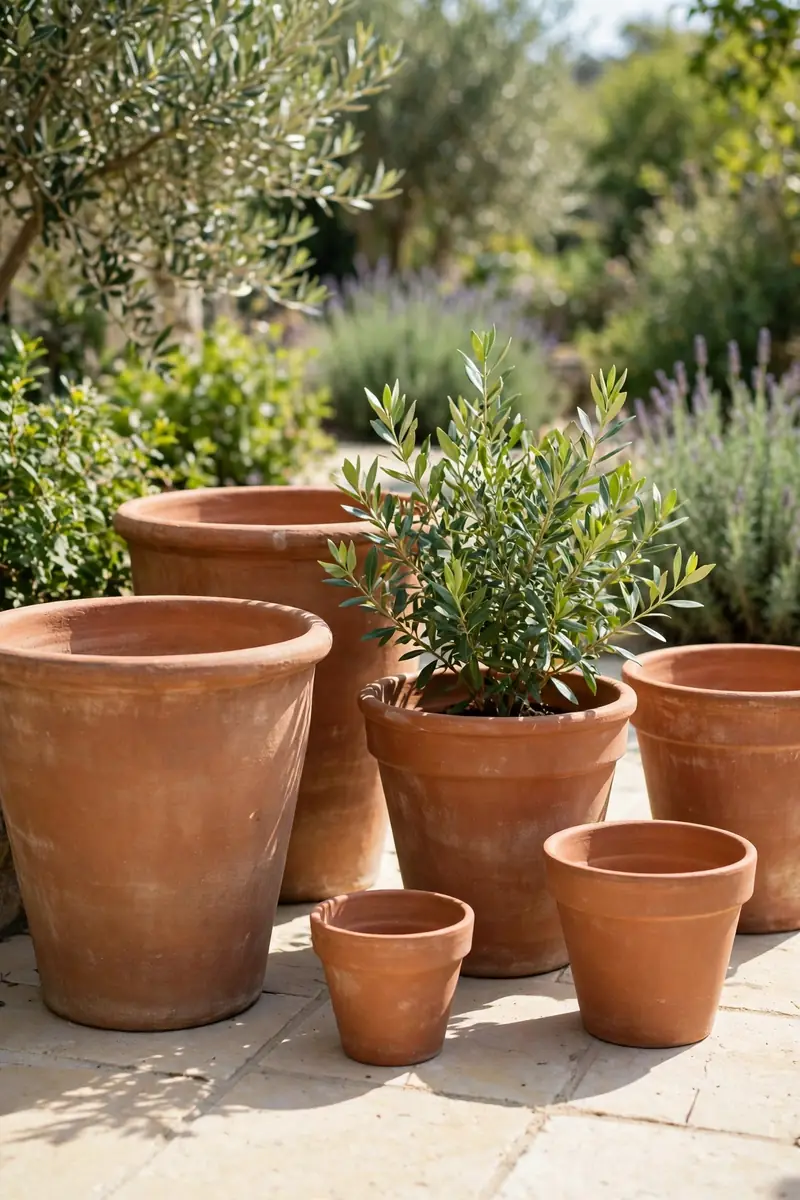
1. Choose the Right Container Size
Bigger pots hold more soil and moisture, which means happier roots and less watering stress. A pot that is at least 12 inches wide suits most vegetables and flowers, while small herbs can start in 6 to 8 inch pots. Avoid tiny pots for thirsty plants, since they dry out fast on hot days.
Garden tip: When in doubt, size up. Plants grow into big pots much better than they squeeze into small ones, and this is one of the kindest rules in container gardening for beginners.
2. Always Check Drainage Holes
Every container needs drainage holes at the bottom, because roots sitting in water will rot quickly. If a favorite pot has no holes, drill a few before planting, or use it as a cover pot with a plain nursery pot inside. A layer of small stones at the bottom helps water flow out, but it never replaces real holes.
Garden tip: Set pots on small feet or a saucer with a gap, so extra water can escape freely.

3. Use Fresh Potting Mix
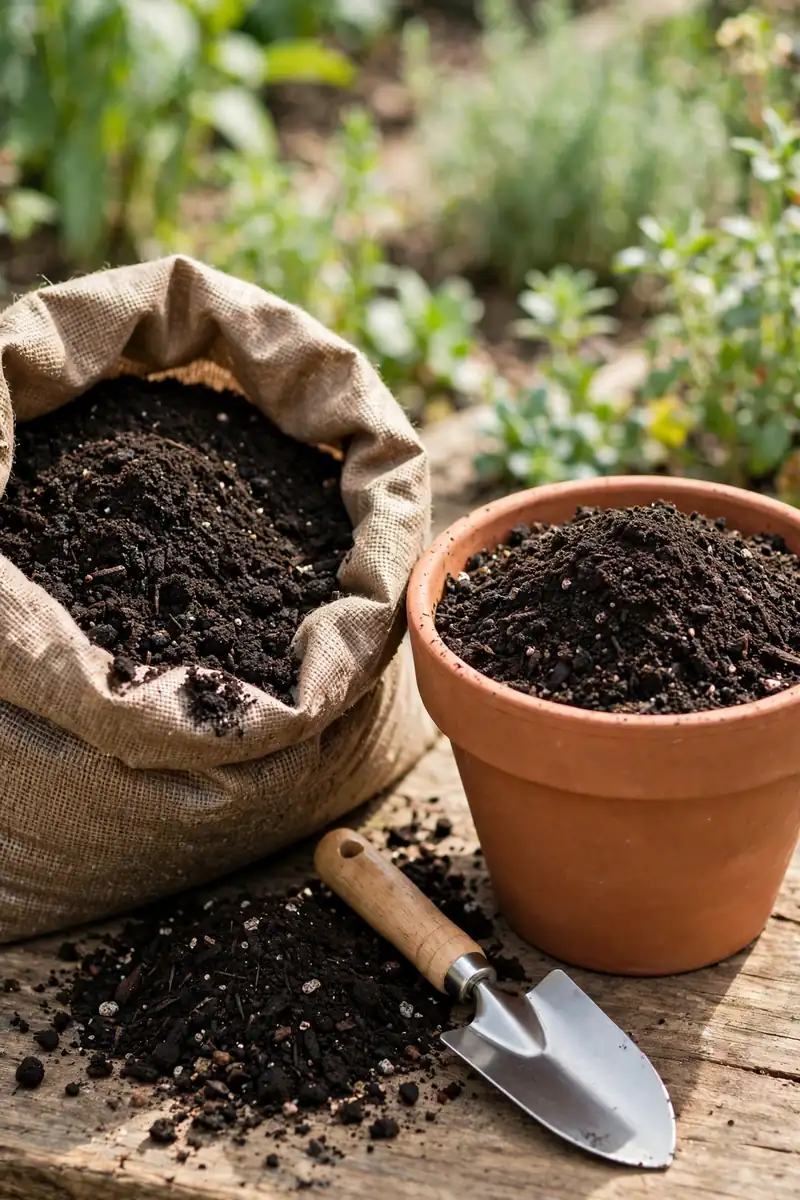
Garden soil is too heavy for containers, so fill pots with light, fresh potting mix made for containers. Good mix holds moisture yet drains well, and it gives roots the air they need to grow. Never reuse old, tired mix without refreshing it with compost first.
Garden tip: Mix a handful of compost into new potting mix for a gentle nutrient boost from day one.
You may also like: 13 Patio Border Planting Ideas for Soft Edges
4. Pick a Sunny Spot
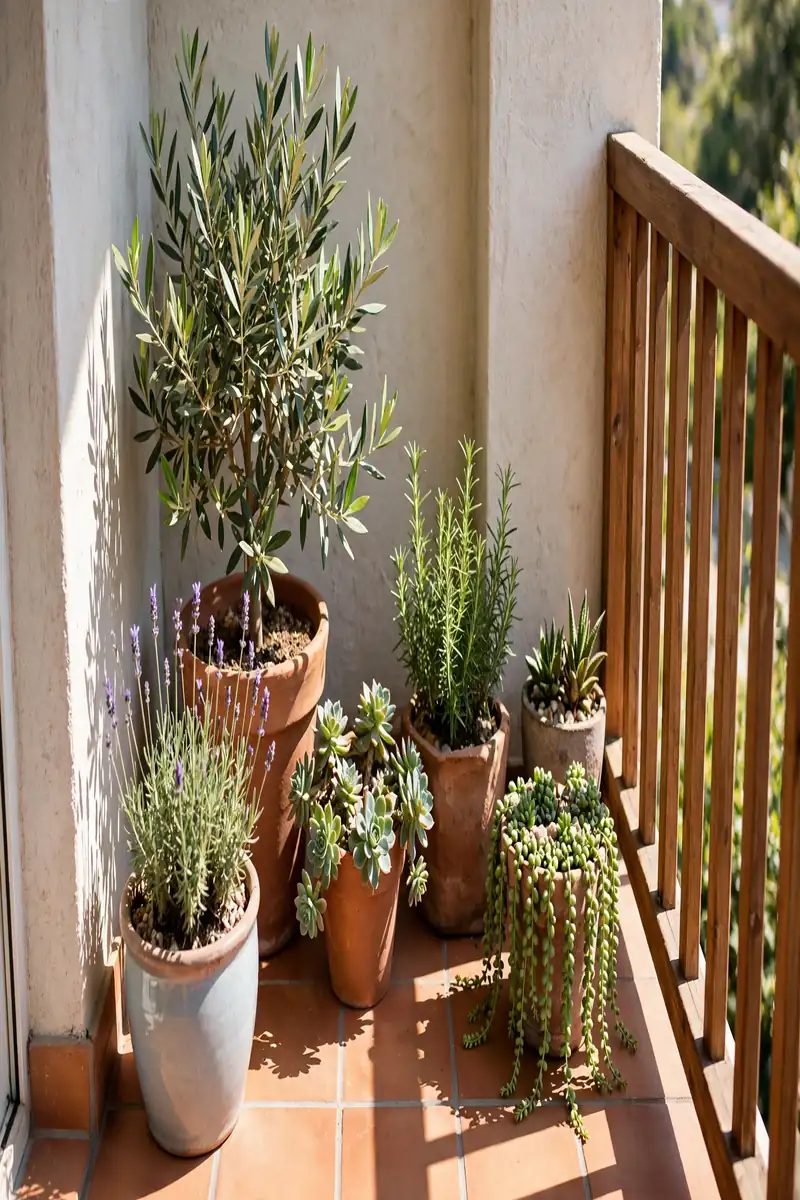
Most vegetables, herbs, and flowers need at least six hours of direct sun each day. Watch your balcony or patio for a day and note where the sun falls before you place your pots. If you only have shade, grow leafy greens and herbs that tolerate less light instead of sun lovers like tomatoes.
Garden tip: Put heavy pots on wheeled stands so you can chase the sun through the seasons.
5. Start with Easy Herbs
Herbs like basil, mint, parsley, and chives are perfect first container plants, and container gardening for beginners often starts right here. They grow fast, forgive missed waterings, and reward you with fresh leaves for cooking. Mint deserves its own pot, since it spreads fast and will take over any shared container.
Garden tip: Snip herbs often. Regular picking keeps plants bushy instead of tall and leggy.

6. Water Deeply, Then Let It Dry
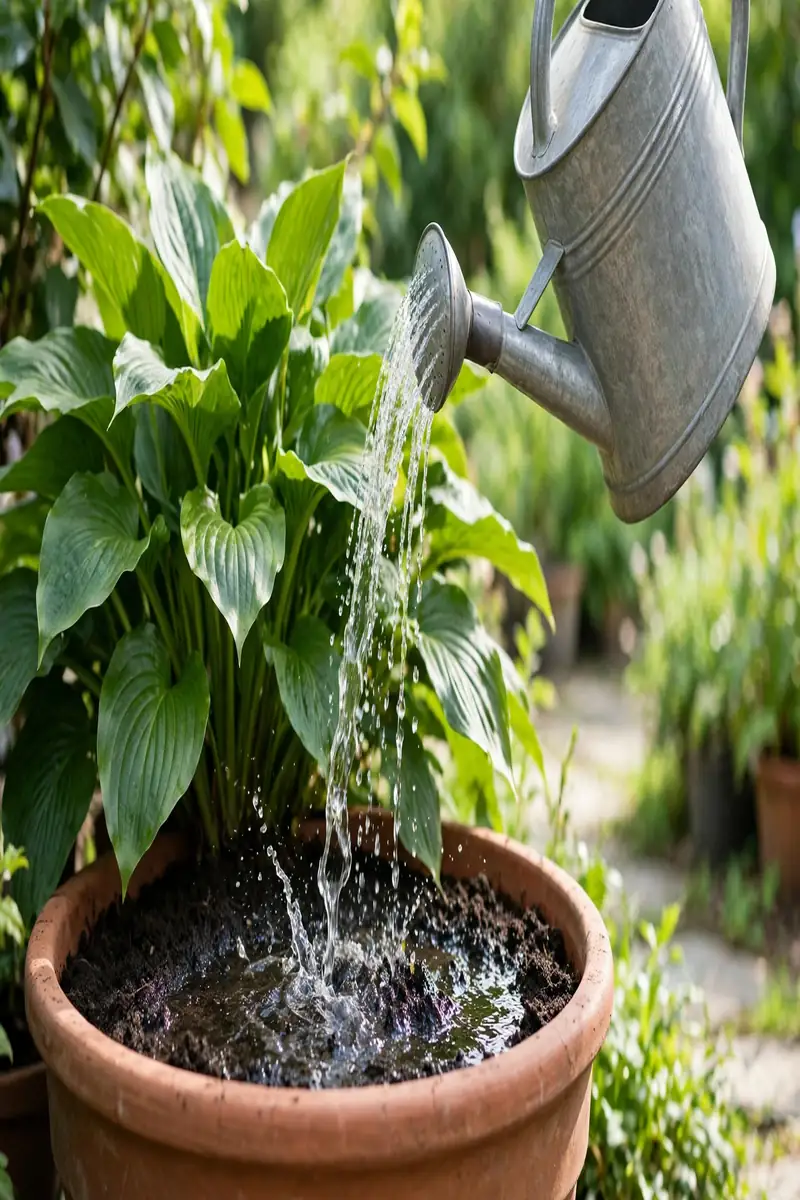
Container plants need deep watering until water runs out of the drainage holes, then a little drying time before the next drink. Shallow daily sprinkles keep roots near the surface, where they dry out fast. Check the soil with your finger: if the top inch is dry, it is time to water.
Garden tip: Water in the morning so leaves dry before evening and plants face the day hydrated.
You may also like: How to Grow Tomatoes in a Greenhouse: 6 Tips for a Bountiful Harvest
7. Feed Plants Regularly
Potting mix runs out of nutrients faster than garden soil, because watering washes them away, and container gardening for beginners means feeding little and often. Feed container plants every two to four weeks with a balanced liquid fertilizer at half strength. Too much fertilizer burns roots, so gentle and regular beats heavy and rare.
Garden tip: Feed after watering, never on dry soil, to protect tender roots.
8. Group Pots for a Lush Look
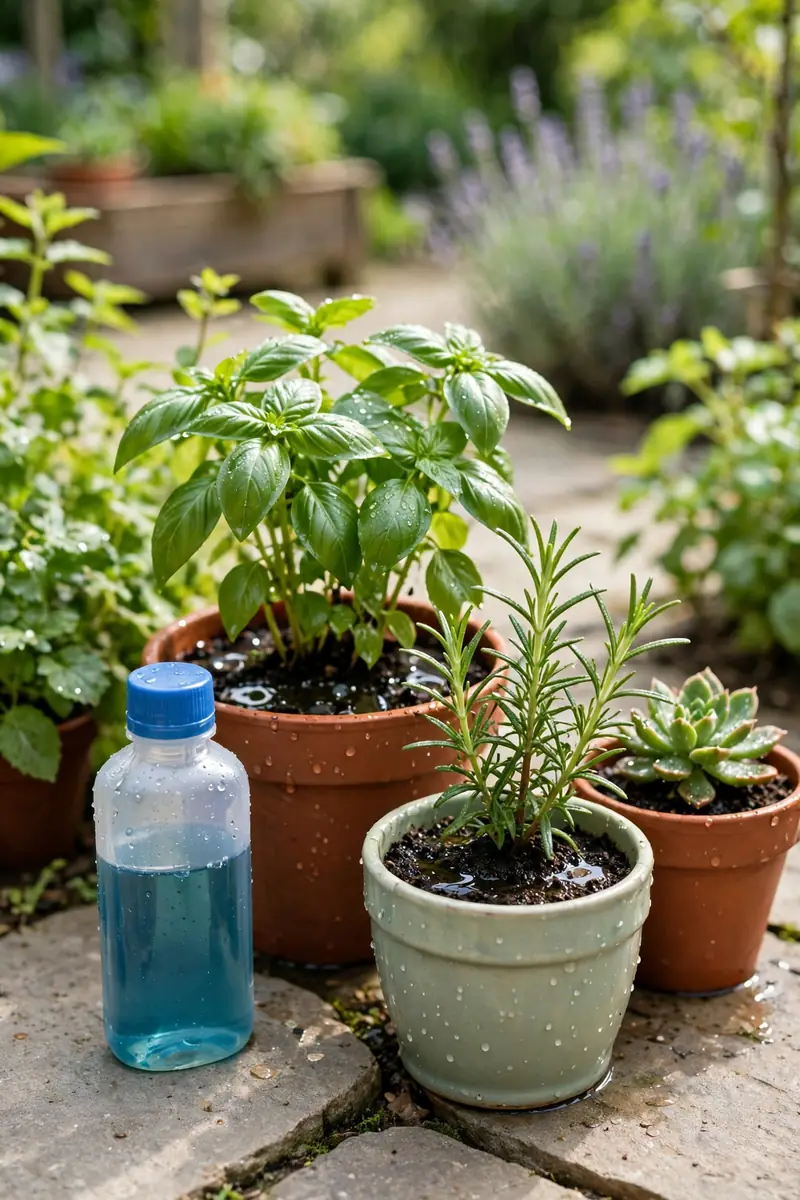
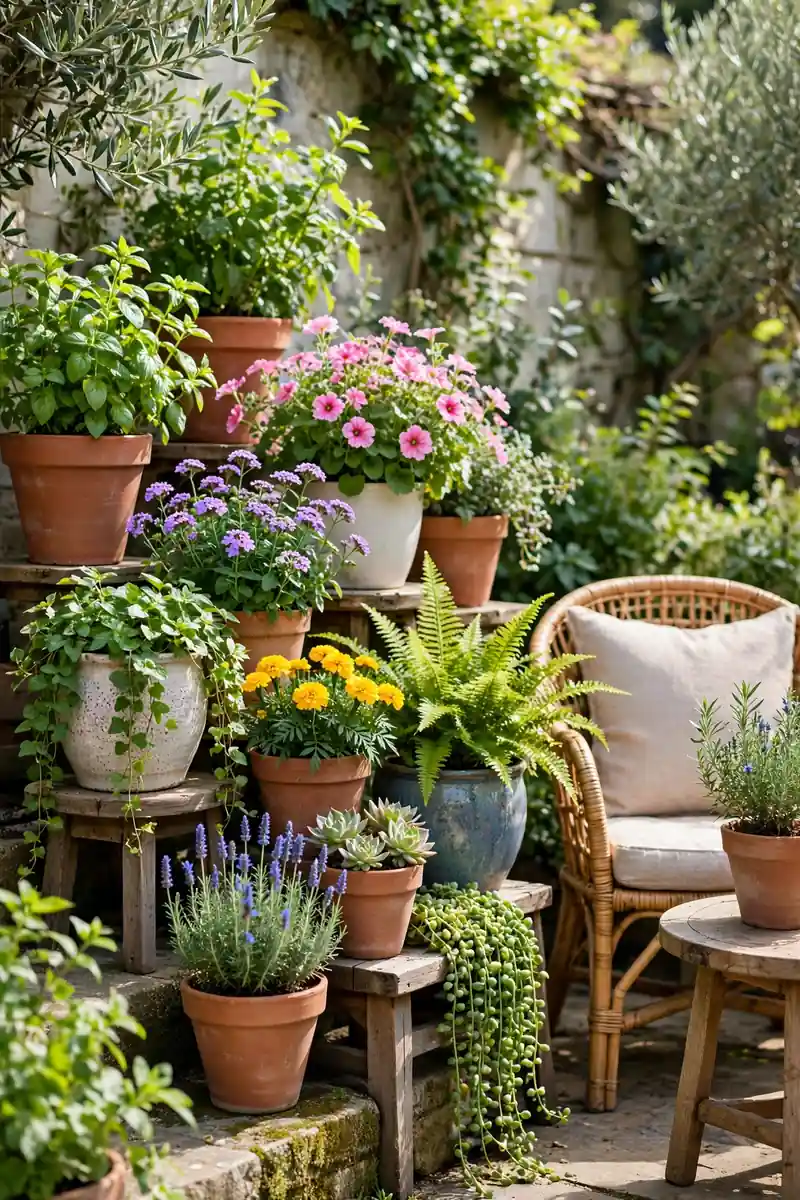
A single pot can look lonely, but a group of pots at different heights looks like a real garden. Mix tall plants, trailing plants, and colorful flowers in a cluster near your door or seating area. Grouping also shades the soil, so pots stay moist longer on hot days.
Garden tip: Odd numbers look best. Try groups of three or five pots in varied sizes.
9. Grow Up with Trellises and Stakes
Small spaces grow bigger when you grow vertically. A small trellis, bamboo stake, or railing lets beans, peas, cucumbers, and climbing flowers reach upward instead of sprawling. Vertical growing also improves airflow, which keeps leaves healthier.
Garden tip: Install supports at planting time so you never disturb roots later.

You may also like: 15 Stunning Deck and Patio Combo Ideas for Modern Backyards
10. Protect Pots from Frost and Heat
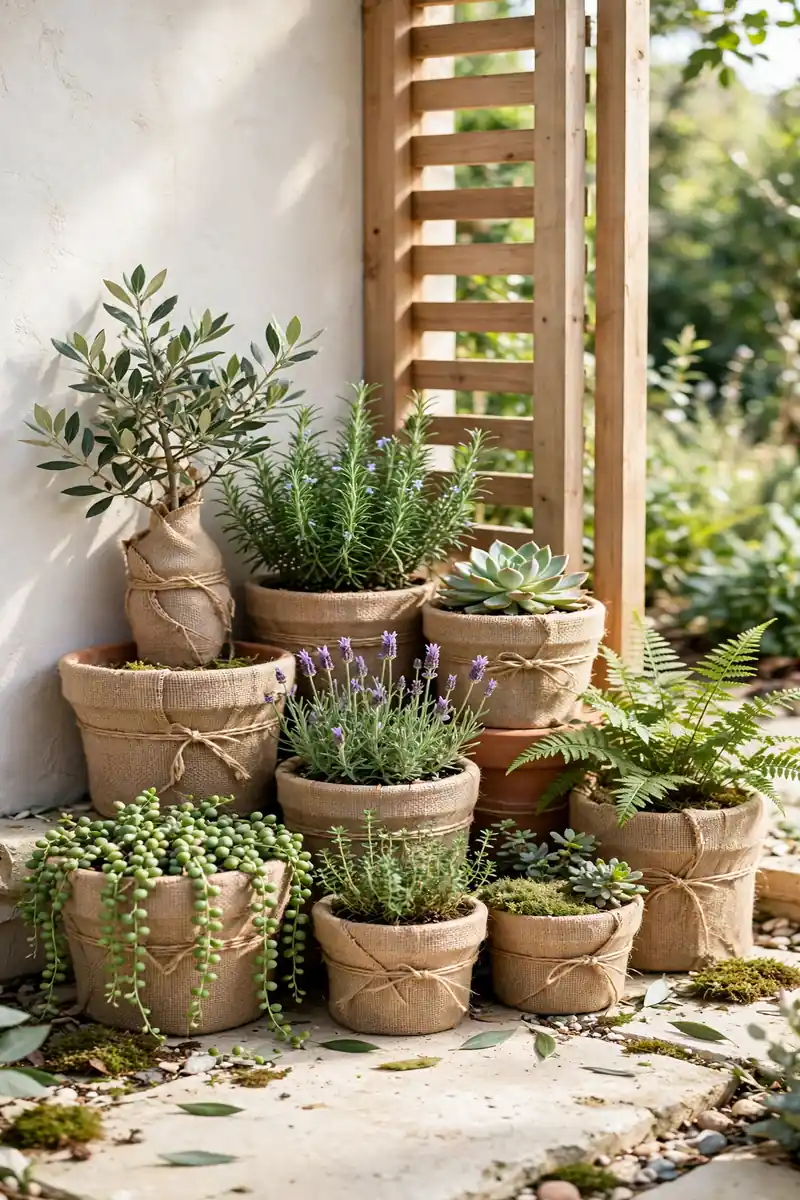
Containers freeze faster than garden beds in winter and bake faster in summer sun. Move tender pots indoors or against a sheltered wall before frost, and wrap large pots with bubble wrap or burlap in cold snaps. In summer heat, light colored pots stay cooler than dark ones.
Garden tip: Cluster pots together in winter. They shelter each other from cold wind.
11. Refresh Soil Each Season
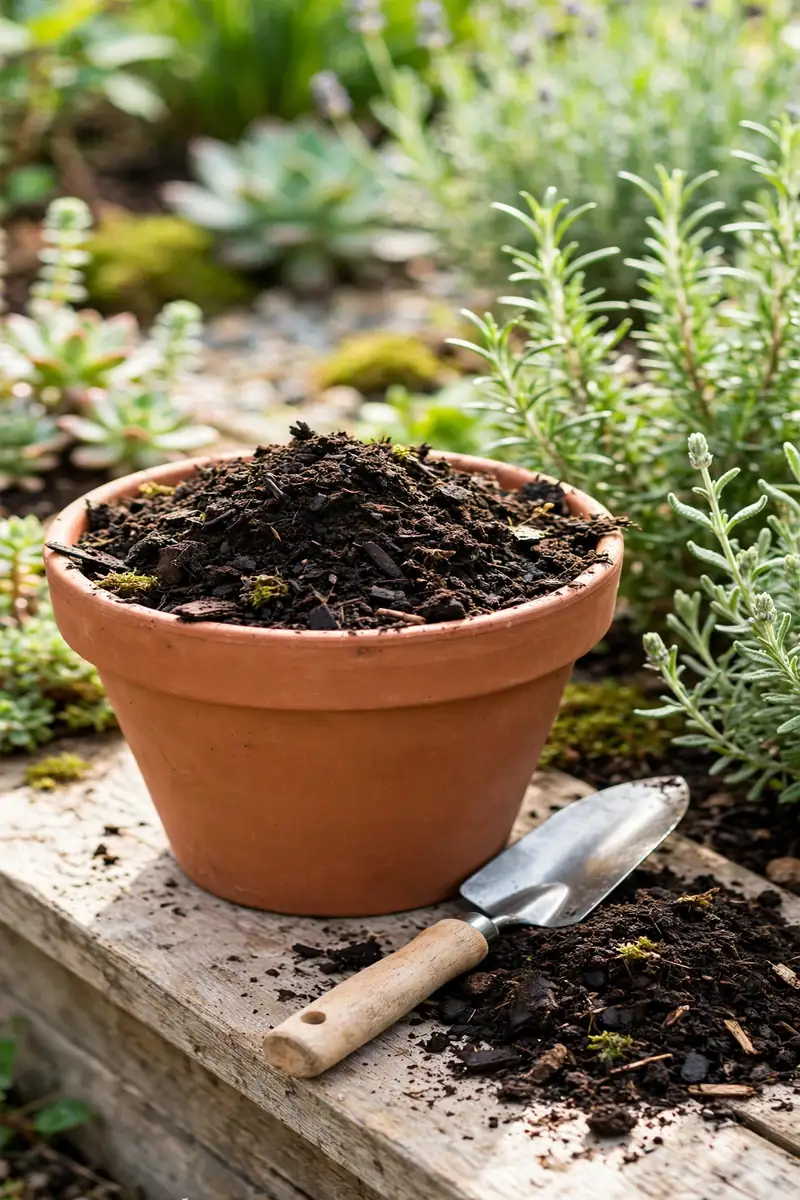
Old potting mix compacts and loses nutrients over a season, so refresh it before replanting. Tip out the top half, mix in fresh potting mix and compost, and check that drainage holes are still clear. Healthy soil is the simplest secret behind container gardening for beginners who want strong plants year after year.
Garden tip: Save the old mix for mulch on garden beds instead of throwing it away.
12. Harvest and Prune Often
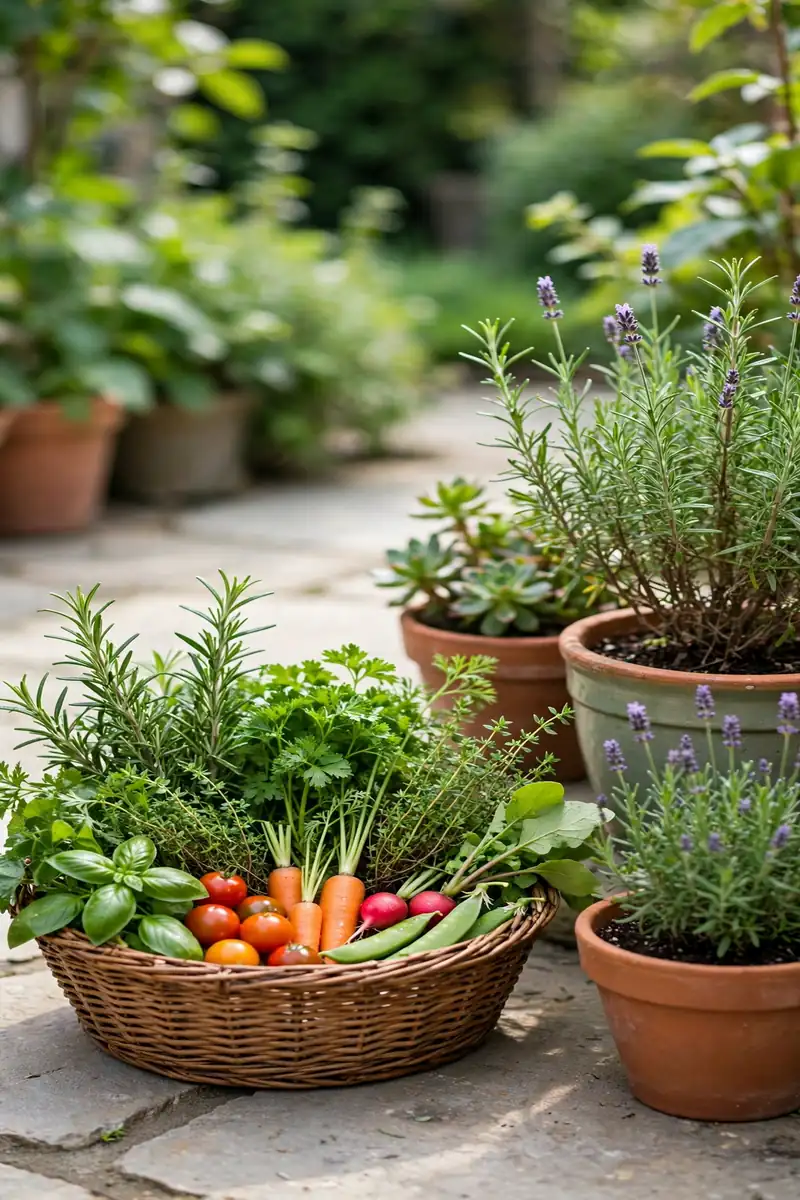
Regular harvesting keeps container plants productive and tidy. Pick vegetables when young and tender, snip herbs before they flower, and deadhead spent blooms so plants make new ones. A quick weekly check for yellow leaves and pests keeps small problems from becoming big ones.
Garden tip: Keep small scissors by your pots. You will prune and harvest far more often when tools are close.
You may also like: Vegetable Gardening for Beginners: 15 Easy Tips to Start
How to Use These Ideas in Your Own Yard
Start with three pots: one herb, one flower, and one vegetable. Place them in your sunniest spot, water deeply, and watch them for two weeks before adding more. Container gardening for beginners works best when you learn your space first, then grow your collection one pot at a time.
FAQs
What size pot should a beginner start with?
A pot at least 12 inches wide and deep suits most beginner plants. Bigger pots hold moisture longer and forgive watering mistakes better than small pots, and that extra soil is what makes container gardening for beginners so forgiving.
Can I use garden soil in containers?
It is better not to. Garden soil compacts in pots and drains poorly, which suffocates roots. Use fresh potting mix made for containers instead.
How often should I water container plants?
Check the top inch of soil with your finger. If it feels dry, water deeply until water runs from the drainage holes. Most containers need water every one to three days in warm weather.
What grows best in containers for beginners?
Herbs like basil and mint, salad leaves, cherry tomatoes, peppers, and marigolds are all easy container plants. They grow fast and show results quickly, which keeps beginners motivated.
Conclusion
Container gardening for beginners is all about starting small and learning as you grow. Pick good pots, fresh mix, and a sunny spot, then water deeply and feed lightly. Before long, your balcony or patio will be full of green life. Pin these container gardening for beginners ideas on Pinterest so you can find them again when you buy your first pots, and share them with a friend who wants to start gardening too.