13 Things To Know About A Chinese Greenhouse
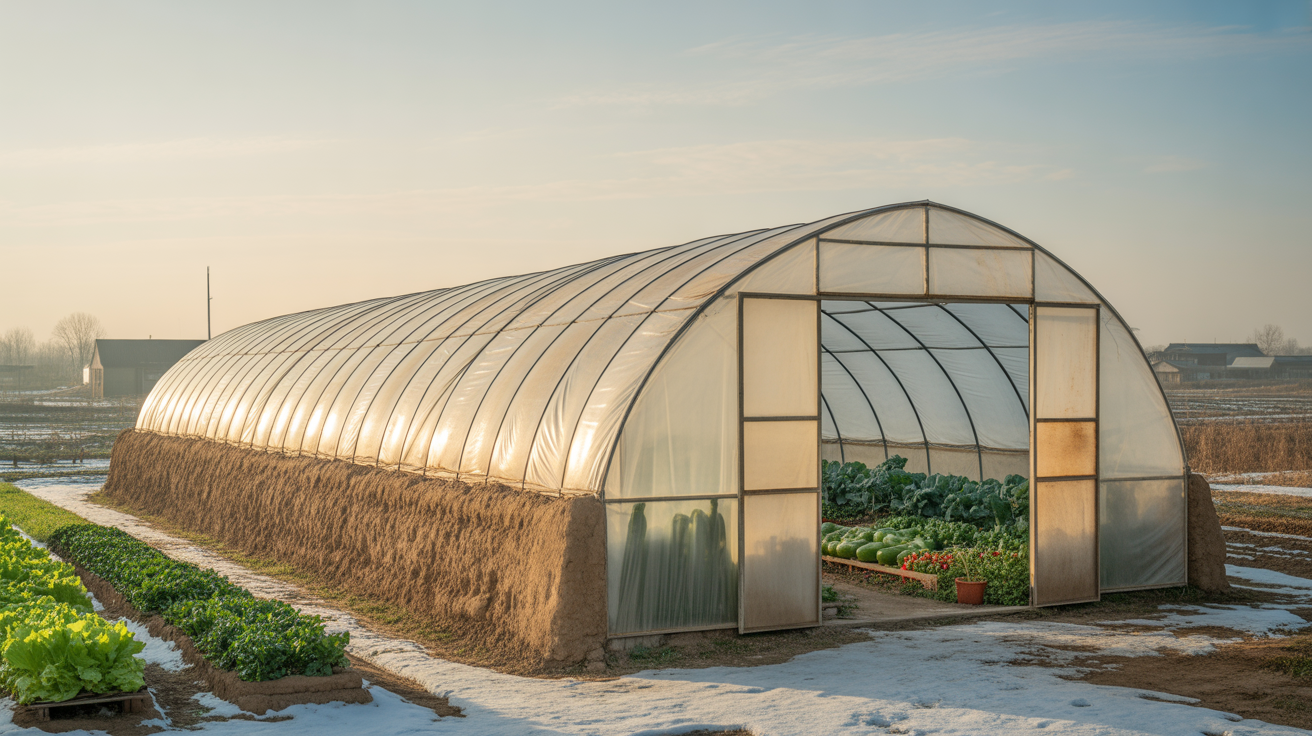
Chinese greenhouses have become a fascinating model of innovation in modern agriculture. Known for their efficiency, sustainability, and unique design, these structures are shaping the way food is grown not only in China but around the world. Whether you are a gardener, an agricultural professional, or simply curious about global farming techniques, understanding Chinese greenhouse facts can provide valuable insights into how modern agriculture is evolving. In this post, we’ll explore 13 things to know about a Chinese greenhouse and why these structures are so remarkable.
1. What is a Chinese Greenhouse?
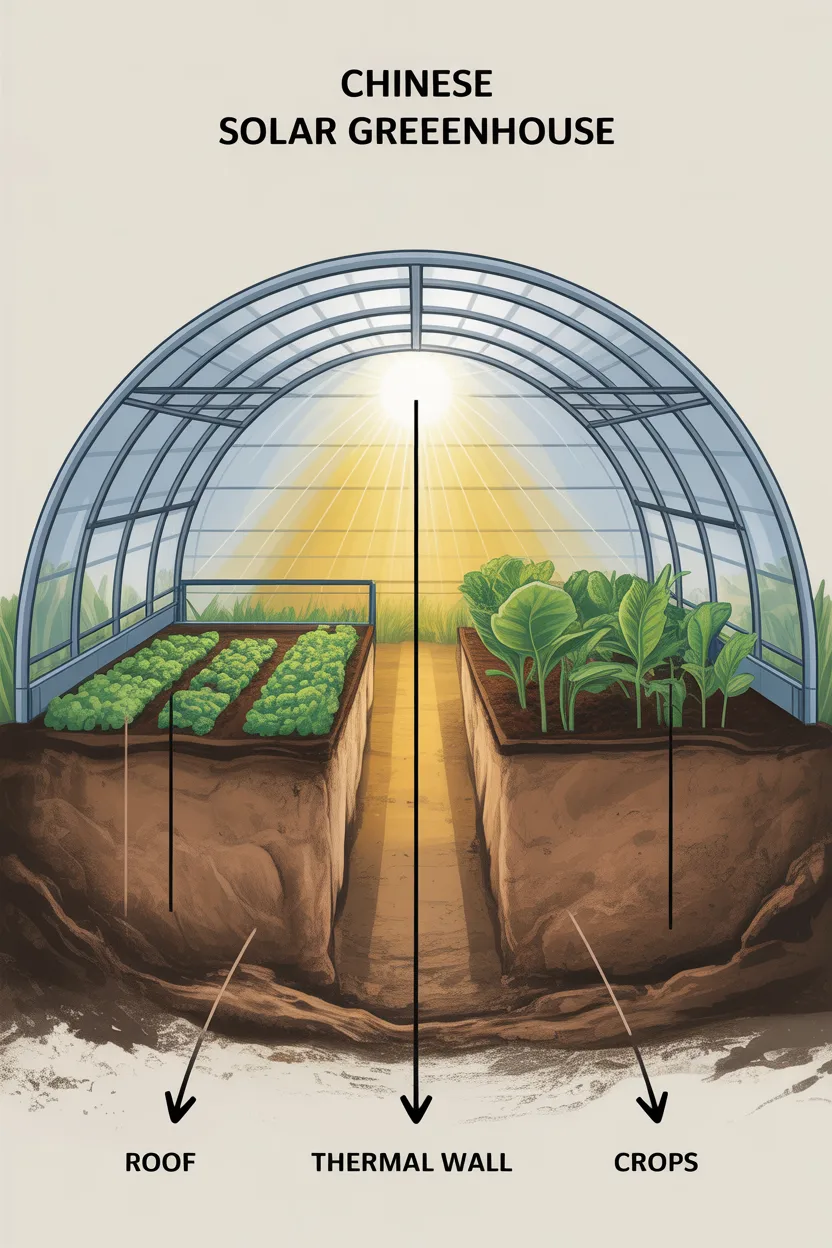
At its core, a Chinese greenhouse is a type of structure designed to optimize plant growth in various climates. Unlike typical greenhouses in Western countries, Chinese greenhouses are often built using locally available materials like plastic sheeting, wood, and clay, and are engineered to retain heat efficiently.
They are sometimes referred to as “solar greenhouses” because they leverage solar energy to maintain warmth during the cold seasons. The design ensures a minimal energy requirement while maximizing crop yield, making it ideal for regions with harsh winters or unpredictable weather patterns.
2. The Origins of Chinese Greenhouses
Understanding the history of these greenhouses is crucial when exploring Chinese greenhouse facts. The modern concept emerged in the 1980s and 1990s as part of China’s rural development initiatives. Farmers needed affordable, effective solutions to extend growing seasons and improve food security.
Early designs were simple tunnels covered with plastic film, which evolved into the more sophisticated, semi-circular structures we see today. These greenhouses are now widely used across China, from northern provinces with freezing winters to southern regions with intense summer heat.
3. Unique Design Features
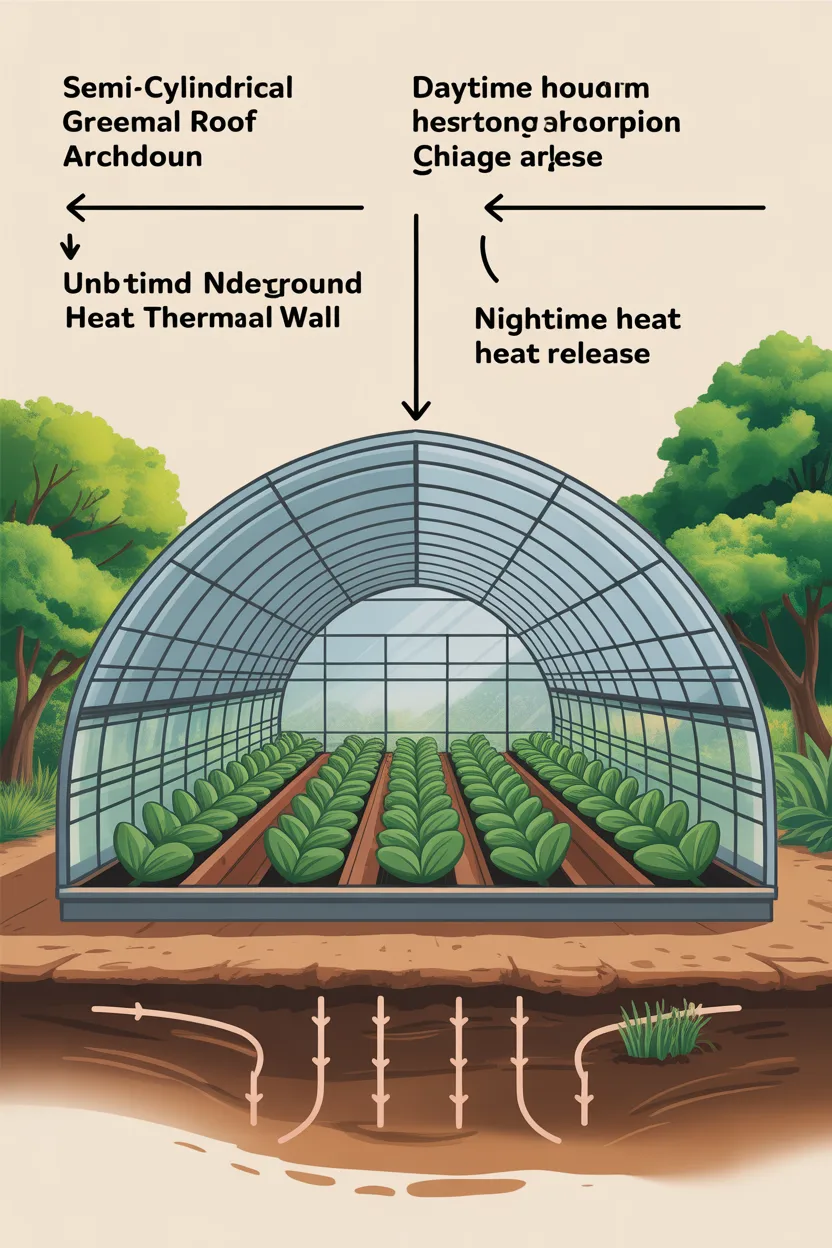
One of the most striking aspects of a Chinese greenhouse is its design. Unlike conventional greenhouses that may rely heavily on external energy sources, these structures often feature a semi-cylindrical or arched roof that allows sunlight to penetrate effectively.
A signature feature is the inclusion of thermal walls or underground heat storage systems. During the day, sunlight warms the soil and walls, and this stored heat is released at night to protect crops from frost. This ingenious approach demonstrates one of the most impressive things to know about a Chinese greenhouse: its ability to self-regulate temperature naturally.
4. Energy Efficiency
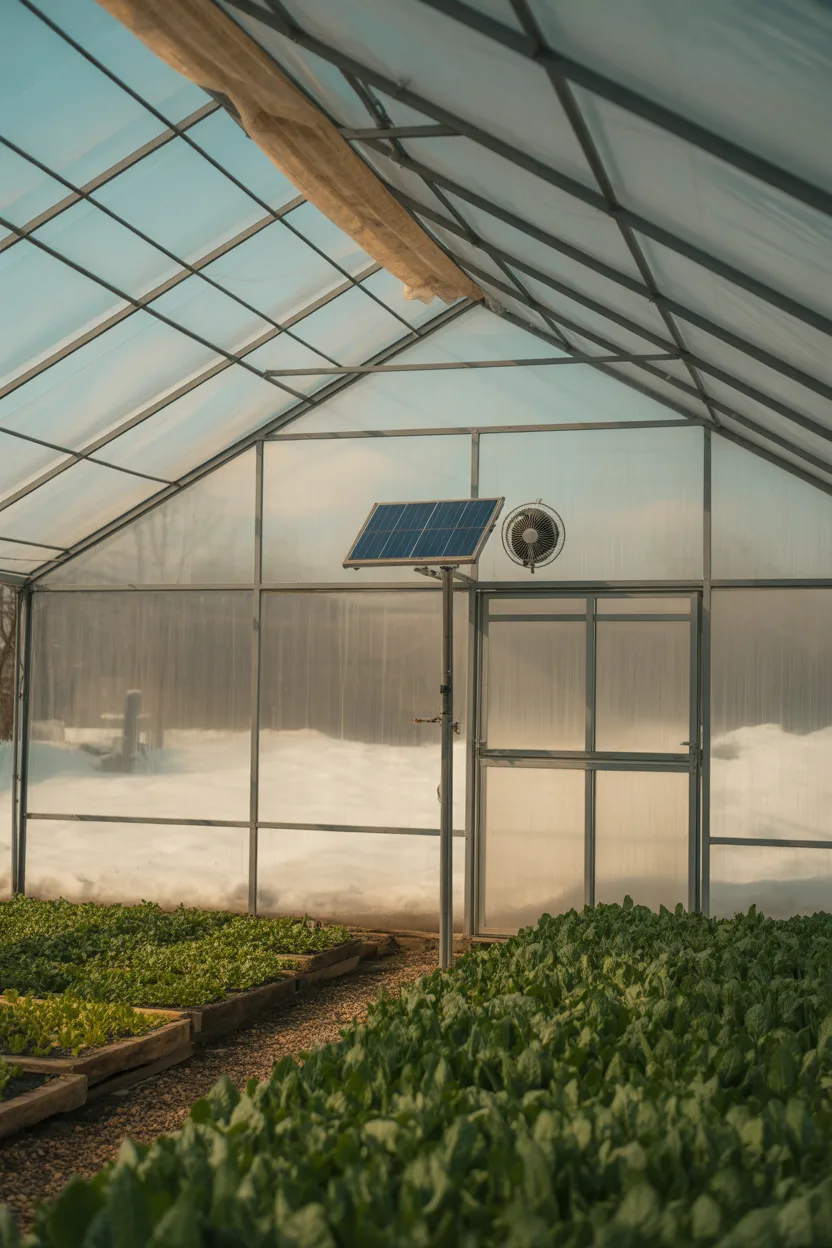
Energy efficiency is one of the most remarkable Chinese greenhouse facts. By using solar energy and thermal mass storage, these greenhouses reduce the need for external heating.
Many farmers in northern China face freezing winters that can make conventional farming impossible. With a Chinese greenhouse, crops like tomatoes, cucumbers, and leafy greens can grow year-round. Some designs even incorporate small-scale solar panels to power ventilation fans or water pumps, further enhancing sustainability.
5. Extended Growing Seasons
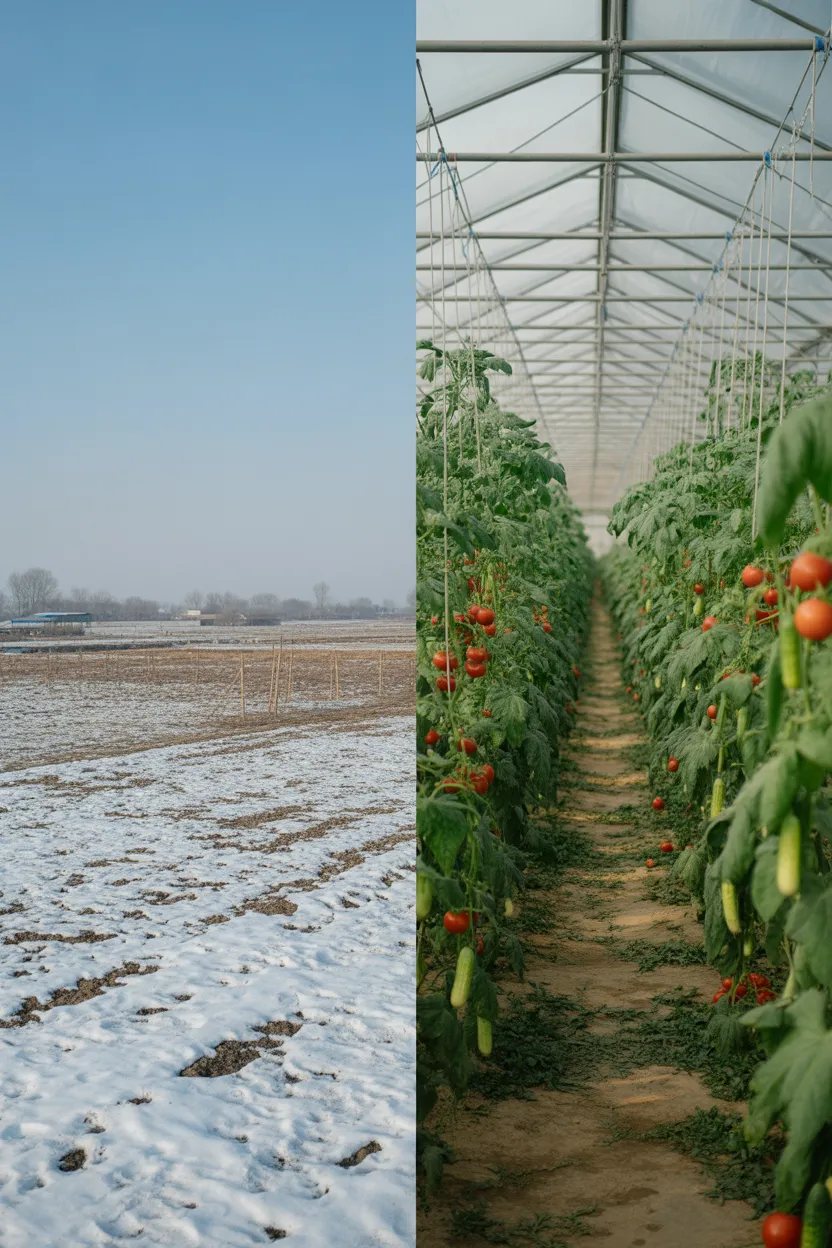
A major advantage of a Chinese greenhouse is its ability to extend the growing season. Unlike open-field farming, which is limited by climate, these greenhouses allow farmers to produce crops even in extreme weather conditions.
For example, in northern provinces like Heilongjiang, where winter temperatures can drop below -30°C (-22°F), farmers use these greenhouses to grow vegetables during months that would otherwise be unproductive. This extended growing period directly translates into higher income and food security for rural communities.
6. Versatility in Crops
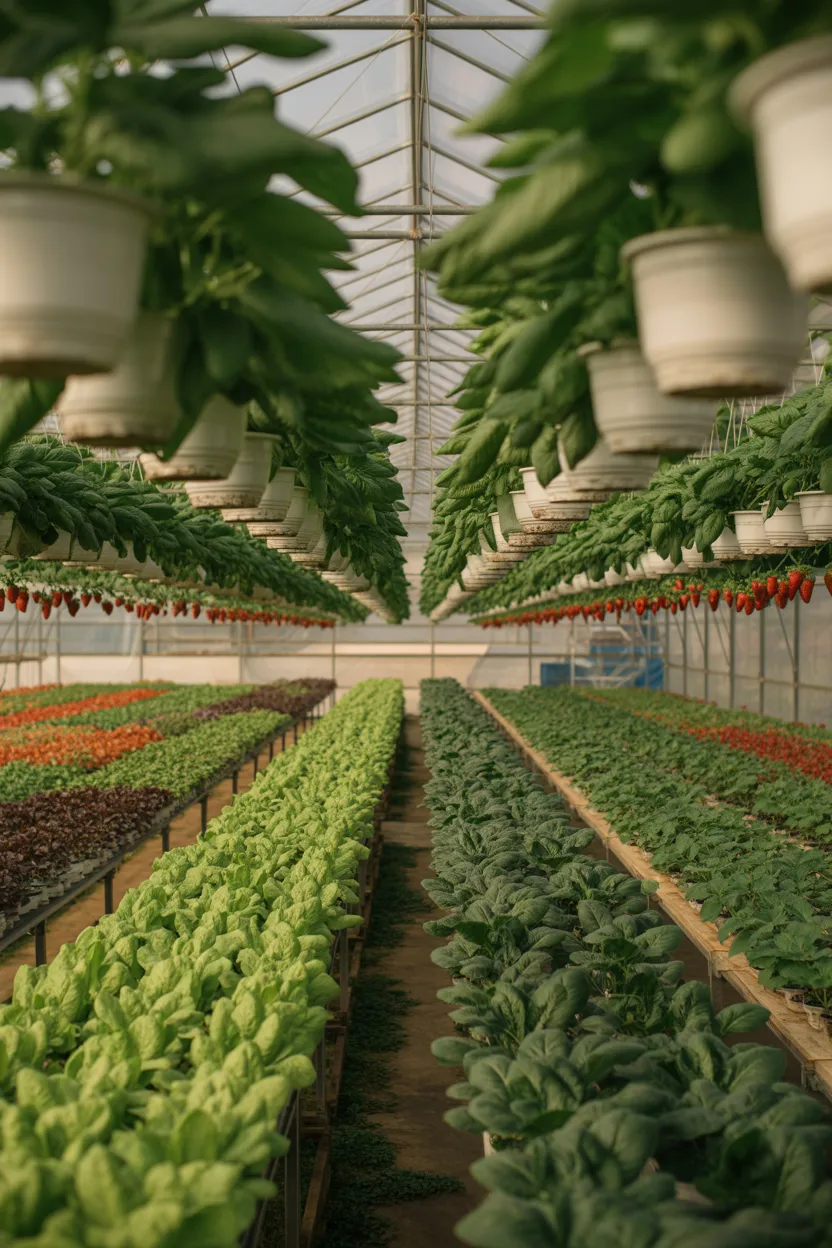
One of the things to know about a Chinese greenhouse is its versatility in cultivating various crops. These greenhouses support vegetables, fruits, flowers, and even medicinal plants.
Leafy greens such as lettuce, spinach, and cabbage thrive due to the controlled environment. Tomatoes, cucumbers, and peppers also benefit from the warmth and humidity control. Some farmers experiment with exotic crops like strawberries and herbs, showcasing the adaptability of these structures to meet diverse agricultural needs.
7. Low Cost of Construction
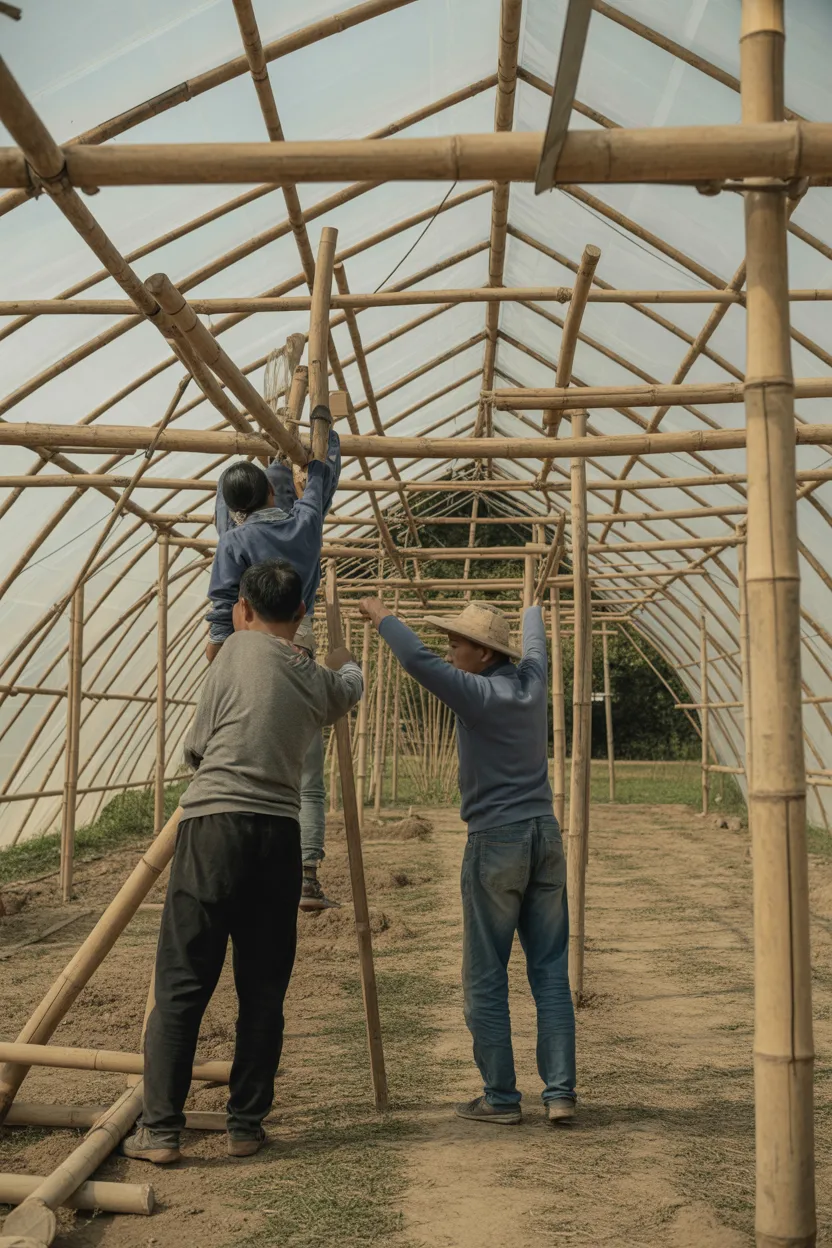
Another essential feature highlighted in Chinese greenhouse facts is their affordability. Unlike high-tech greenhouses that require steel frames, glass panels, and advanced climate control systems, Chinese greenhouses are often constructed from locally available and inexpensive materials.
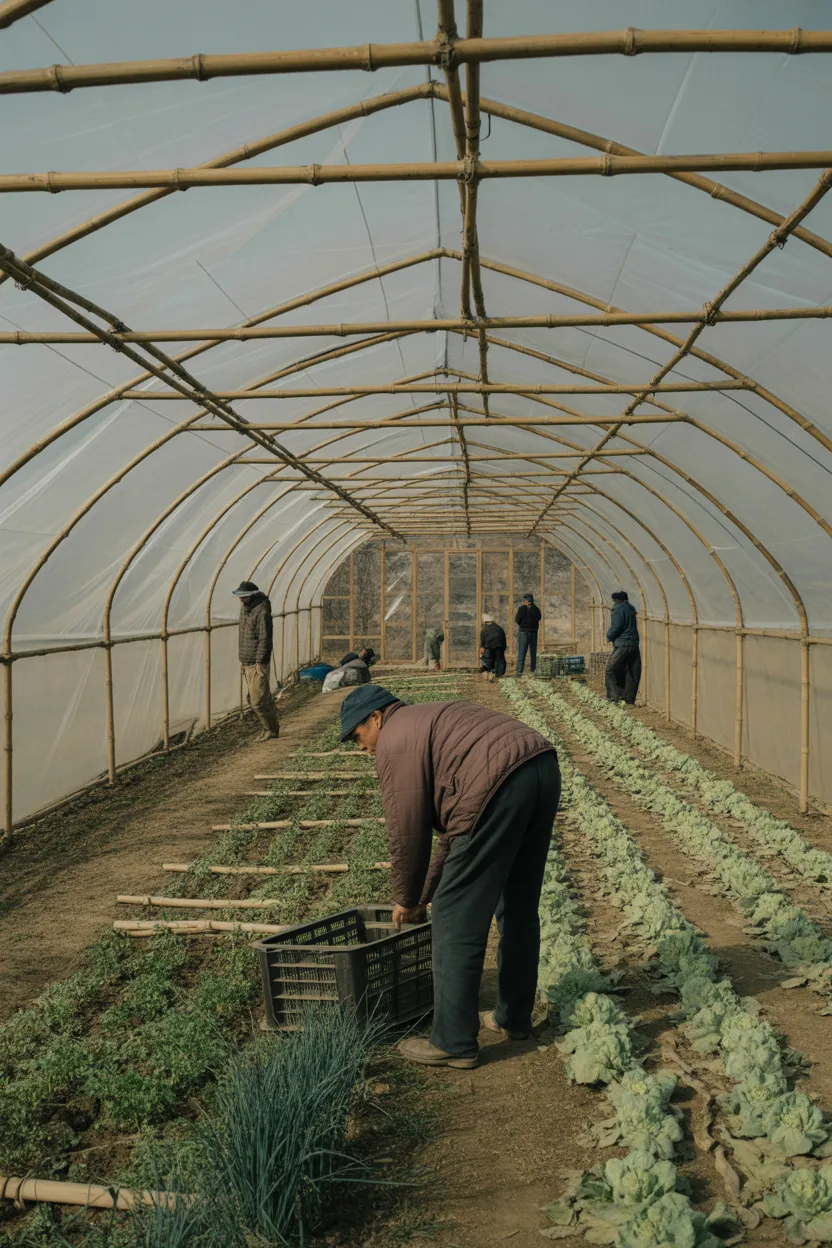
Plastic film covers, bamboo or wooden frames, and packed soil for walls make the initial investment accessible for small-scale farmers. This cost-effectiveness has made the design highly popular in rural China and in developing countries looking for sustainable farming solutions.
8. Eco-Friendly Farming
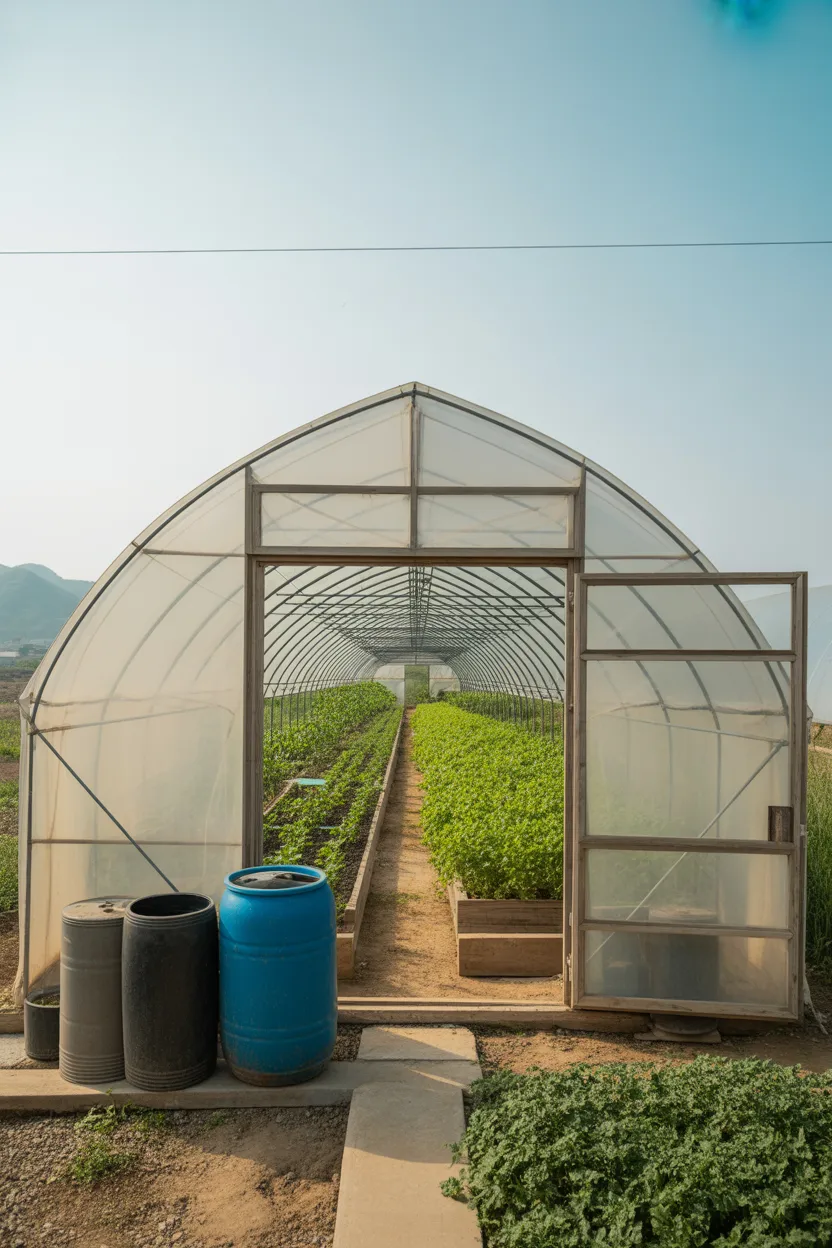
Environmental sustainability is a core principle of Chinese greenhouse farming. By reducing dependency on external energy sources and maximizing natural sunlight and heat, these greenhouses have a smaller carbon footprint compared to conventional farming practices.
Moreover, the ability to grow crops year-round reduces the need for importing produce from distant regions, which further lowers transportation emissions. Many greenhouses also integrate rainwater collection and drip irrigation systems, conserving water while maintaining optimal growing conditions.
9. Traditional Meets Modern
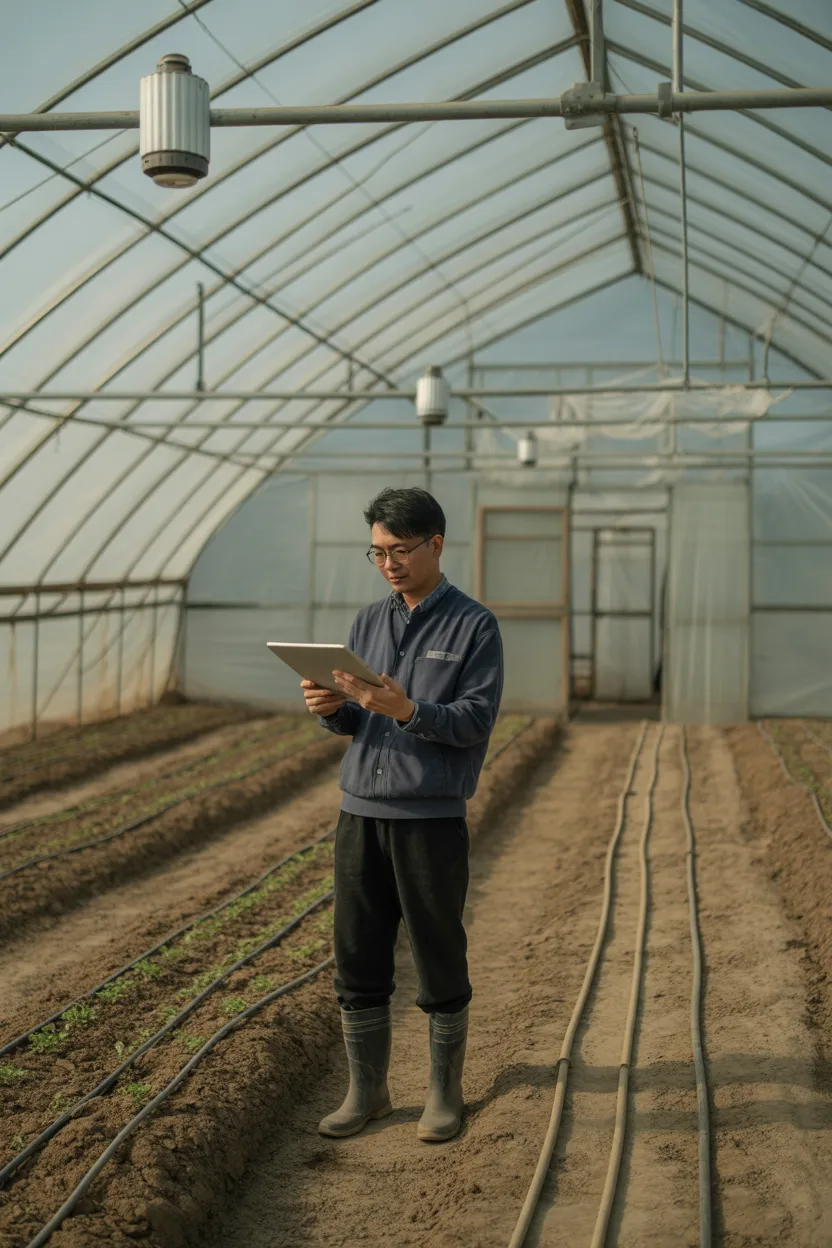
One of the most intriguing things to know about a Chinese greenhouse is how it blends traditional techniques with modern technology. For centuries, Chinese farmers used earthen walls and solar orientation to grow crops efficiently. Modern greenhouses maintain this heritage while integrating innovations like improved plastics, automated irrigation, and climate sensors.
This combination allows farmers to honor traditional knowledge while boosting productivity and adapting to contemporary challenges like climate change.
10. Pest and Disease Control
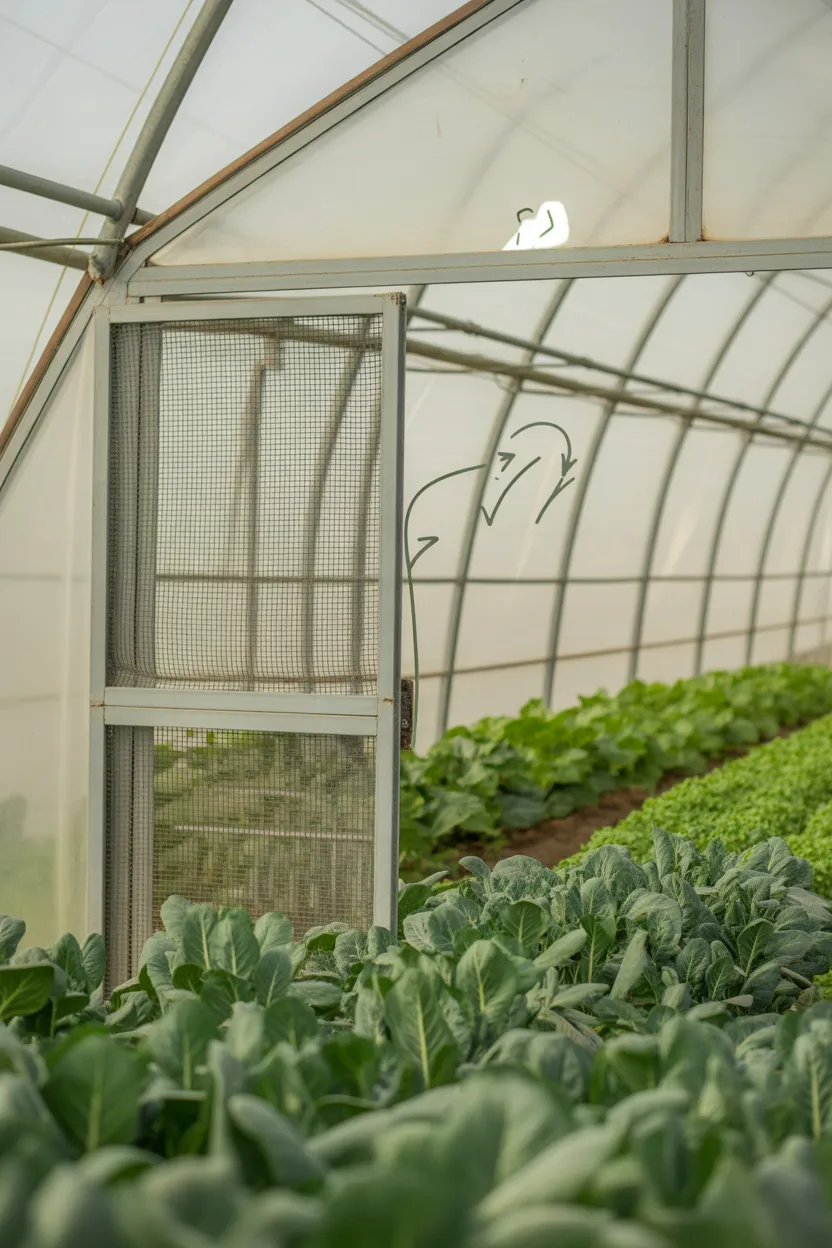
A Chinese greenhouse provides a controlled environment that naturally reduces the risk of pests and diseases. By regulating temperature, humidity, and airflow, farmers can create conditions that are less favorable for harmful insects and pathogens.
Some greenhouses even incorporate mesh screens or double layers of plastic to further prevent insect infiltration. This natural approach reduces the need for chemical pesticides, promoting healthier crops and safer food for consumers.
11. Economic Impact
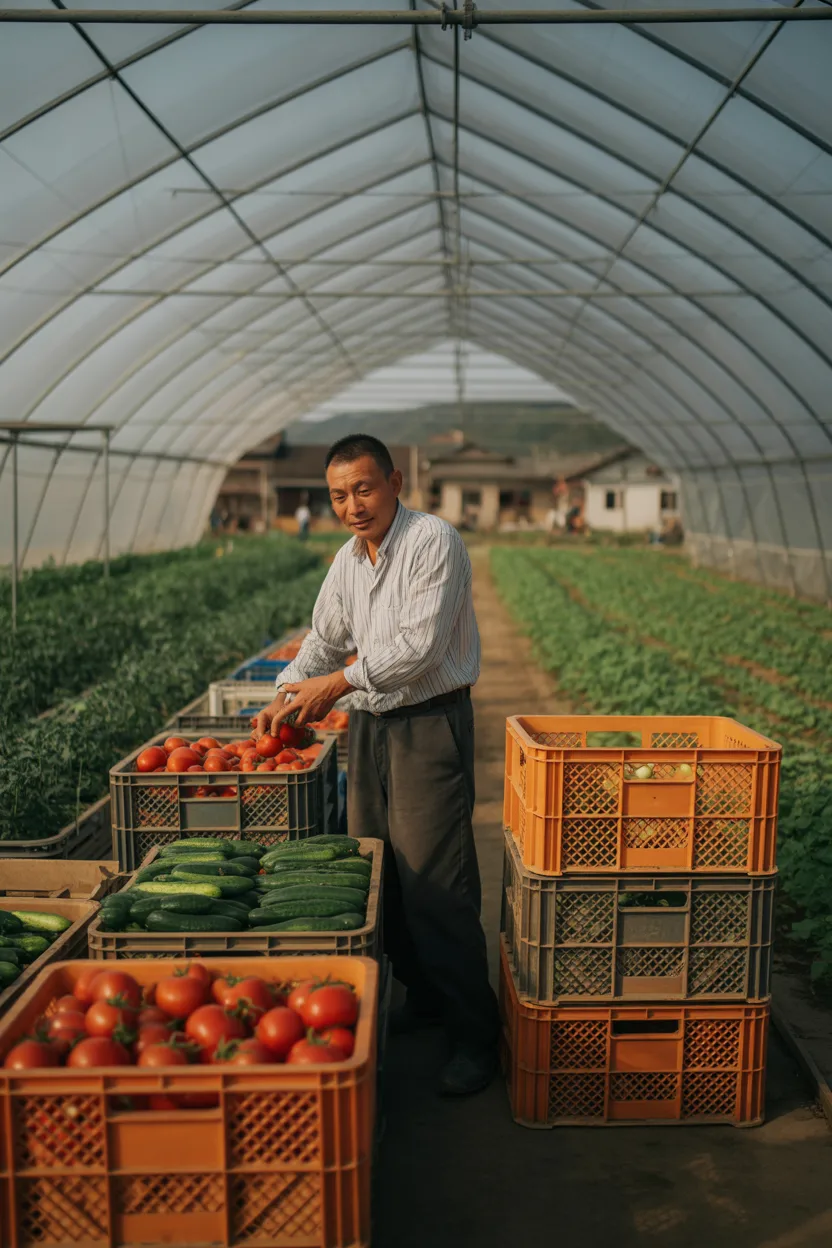
The economic benefits of these greenhouses are significant. Farmers using Chinese greenhouse techniques can harvest multiple crop cycles per year, increasing income stability. In regions with harsh winters, this innovation has transformed rural livelihoods by allowing families to produce food year-round.
In addition, surplus produce can be sold to local markets or urban centers, creating opportunities for small-scale entrepreneurship. The affordability and efficiency of these greenhouses make them an accessible tool for boosting rural economies.
12. Adaptation Beyond China
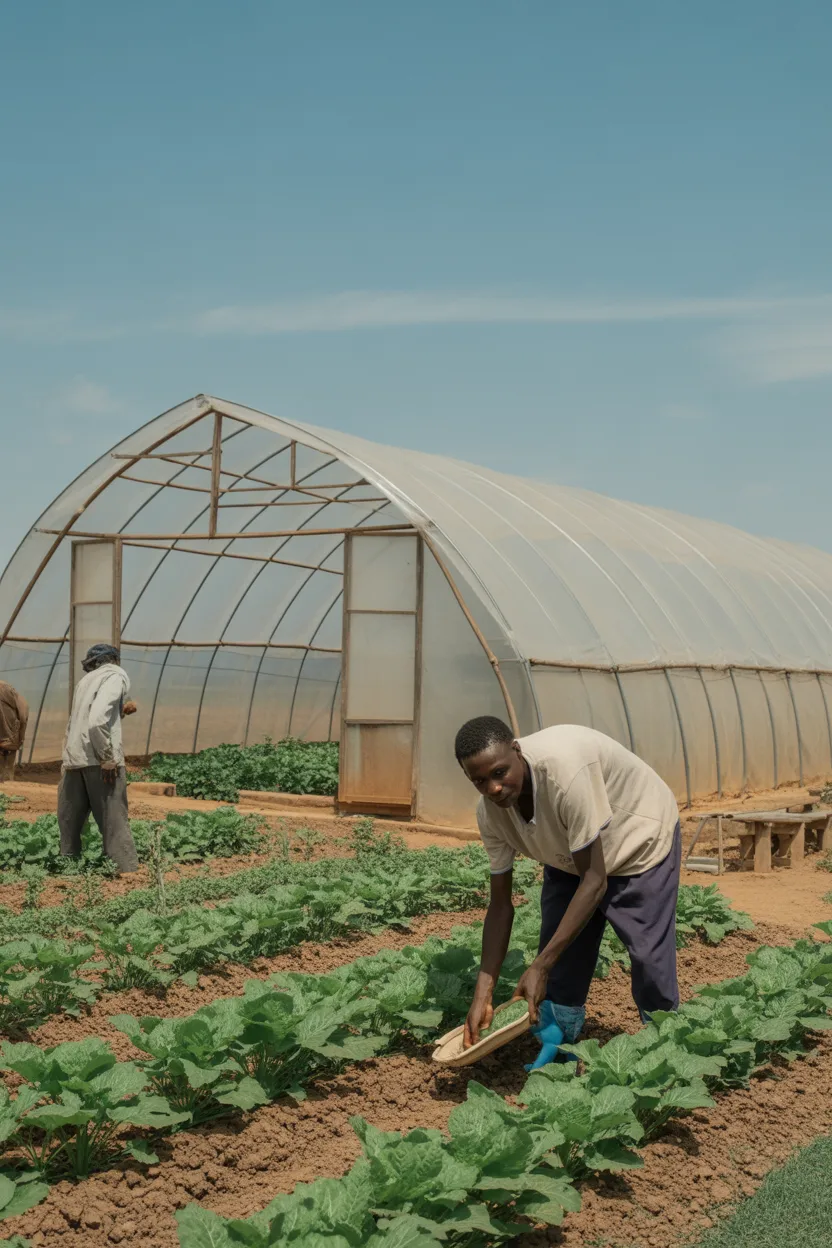
Another fascinating aspect of Chinese greenhouse facts is their global influence. Countries in Africa, Southeast Asia, and Latin America have adopted the principles of Chinese solar greenhouses to improve local agriculture.
These greenhouses are particularly useful in regions with extreme seasonal variations or where conventional farming is limited by climate. By adapting Chinese designs with local materials and knowledge, farmers worldwide are increasing food production sustainably.
13. Challenges and Considerations
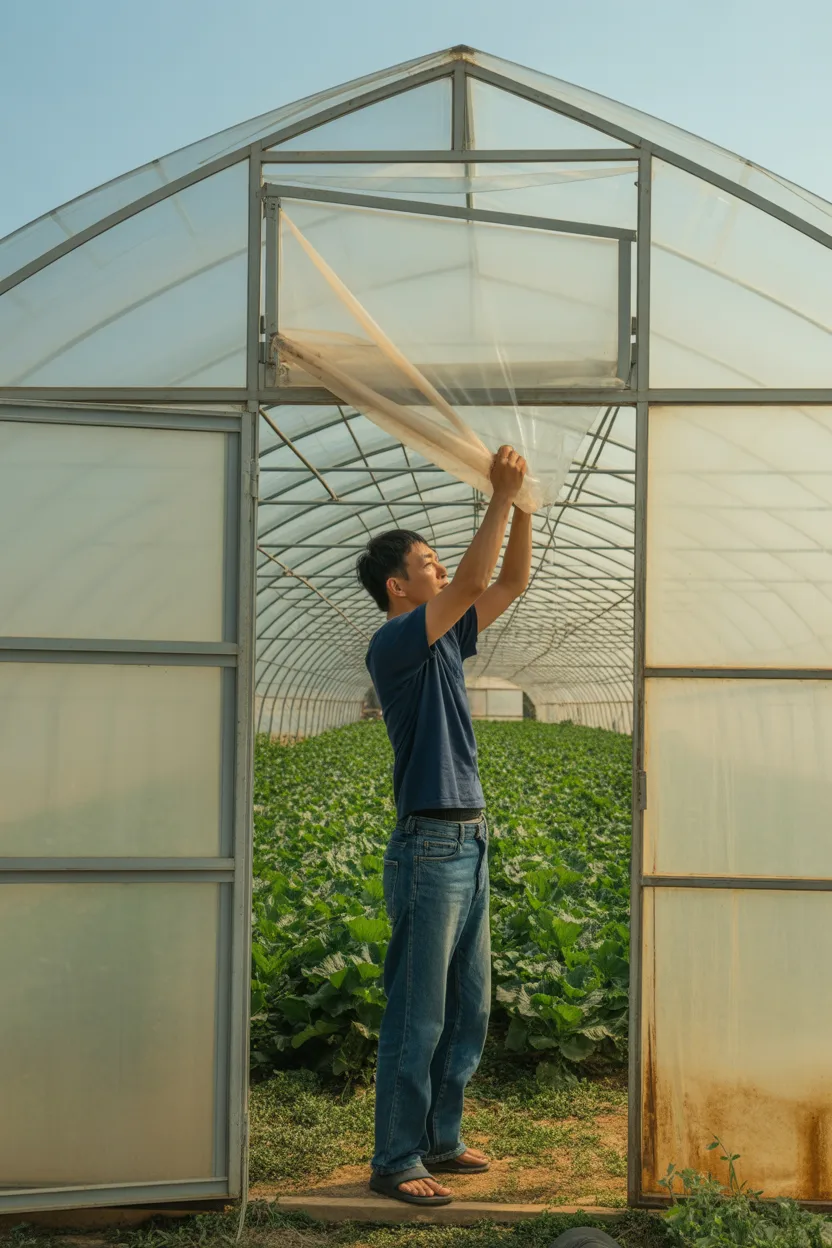
While the advantages of a Chinese greenhouse are compelling, there are challenges to consider. Plastic coverings, although affordable, may need periodic replacement due to wear and tear. Proper ventilation is crucial to avoid overheating in summer months, and inexperienced farmers may need guidance in managing soil nutrition and irrigation effectively.
Despite these challenges, the benefits often outweigh the drawbacks. Understanding these practical aspects is one of the most important things to know about a Chinese greenhouse, ensuring successful and sustainable cultivation.
Conclusion
Chinese greenhouses are a remarkable innovation in modern agriculture, combining traditional wisdom with modern technology to create a sustainable, efficient, and versatile farming solution. From their cost-effectiveness and energy efficiency to their ability to extend growing seasons and reduce pest issues, these structures demonstrate how smart design can transform food production.
Whether you are curious about Chinese greenhouse facts or looking to implement similar systems in your region, understanding these 13 things to know about a Chinese greenhouse provides valuable insights into the future of agriculture.