How to Grow Pink Lilies at Home (Beginner-Friendly Guide)
Pink lilies are one of the most elegant and rewarding flowers you can grow at home. Their soft pink shades, graceful petals, and pleasant fragrance make them a favorite among beginner and experienced gardeners alike. Whether planted in a backyard garden, grown in pots on a balcony, or used to create a beautiful Pink Lily Bouquet, these flowers bring charm and freshness to any space.
This beginner-friendly guide will walk you through everything you need to know about growing Pink Lilly plants at home—from choosing the right bulbs to caring for them throughout the seasons. By the end of this guide, you’ll feel confident growing healthy plants and enjoying stunning pink lilies summer flowers year after year.
Why Grow Pink Lilies at Home?

Pink lilies are popular for more than just their beauty. They are surprisingly easy to grow and require minimal maintenance compared to many other flowering plants.
Here are some reasons gardeners love them:
- They grow from bulbs, making planting simple
- They are long-lasting perennials
- They thrive in gardens, containers, and raised beds
- Their blooms are perfect for indoor decoration
- They add color and elegance during the summer months
For beginners, pink lilies are an excellent choice because they don’t demand constant attention yet deliver impressive results.
Understanding Pink Lilly Varieties

Before planting, it’s important to understand that pink lilies come in several varieties. Each type offers a slightly different appearance, fragrance level, and growth habit.
Common Types of Pink Lilies
- Asiatic Pink Lilies: Early bloomers, vibrant pink shades, little to no fragrance
- Oriental Pink Lilies: Large, fragrant flowers that bloom later in summer
- LA Hybrid Lilies: Hardy plants with strong stems and bright blooms
- Trumpet Pink Lilies: Tall plants with trumpet-shaped flowers
If you’re new to gardening, Asiatic and LA Hybrid varieties are often the easiest to grow.
Best Time to Plant Pink Lilies

Timing plays a key role in successful lily growth.
When to Plant
- Spring: After the danger of frost has passed
- Fall: In mild climates, fall planting encourages strong roots
Planting at the right time ensures healthy growth and vibrant pink lilies summer flowers when the blooming season arrives.
Choosing the Perfect Location

Pink lilies love sunlight, but they also need protection from harsh conditions.
Sunlight Requirements
- At least 6 hours of sunlight per day
- Full sun to partial shade
- Morning sun with light afternoon shade is ideal in hot regions
Soil Requirements
- Well-draining soil is essential
- Slightly acidic to neutral soil works best
- Soil rich in organic matter promotes stronger blooms
Poor drainage is one of the most common causes of failure when growing pink lilies.
How to Plant Pink Lilly Bulbs Correctly

Planting lily bulbs the right way sets the foundation for healthy plants.
Step-by-Step Planting Guide
- Loosen the soil to about 10–12 inches deep
- Dig a hole three times the height of the bulb
- Place the bulb with the pointed end facing upward
- Space bulbs 8–12 inches apart
- Cover with soil and water gently
If planting in containers, choose pots that are deep and have proper drainage holes.
Watering Pink Lilies the Right Way

Watering is crucial, especially during early growth.
Watering Tips
- Water deeply once or twice a week
- Keep the soil moist but not soggy
- Reduce watering once flowering ends
- Avoid overhead watering to prevent disease
Overwatering can cause bulb rot, so always check soil moisture before watering.
Fertilizing for Strong Growth and Blooms

Pink lilies are moderate feeders and benefit from regular nutrition.
Best Fertilizer Options
- Balanced fertilizer such as 10-10-10
- Organic compost or aged manure
- Liquid fertilizer during the growing season
Apply fertilizer in early spring and again just before flowering to encourage large, healthy blooms.
Caring for Pink Lilies During the Growing Season

Once your plants start growing, regular care keeps them strong and healthy.
Essential Care Tips
- Mulch to retain moisture and control weeds
- Stake tall varieties to prevent bending
- Remove weeds to reduce competition
- Ensure good air circulation
Healthy foliage helps the bulb store energy for the next growing season.
Common Problems and Easy Solutions

Even easy-to-grow plants can face challenges.
Common Issues
- Yellow leaves: Often caused by overwatering
- No blooms: Lack of sunlight or nutrients
- Pests: Aphids and lily beetles
- Fungal diseases: Result from excess moisture
Simple Fixes
- Improve drainage
- Increase sunlight exposure
- Use natural pest control like neem oil
- Avoid watering leaves directly
Early detection makes problems easier to manage.
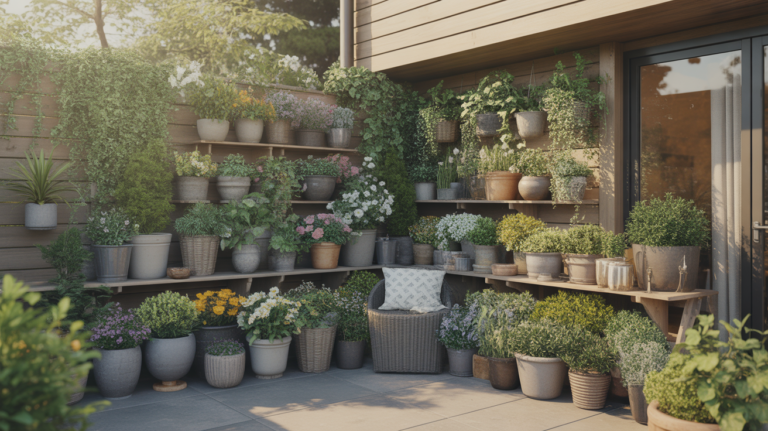
Growing Pink Lilies in Pots and Containers

Container gardening is a great option for small spaces.
Tips for Container Growth
- Choose large, deep containers
- Use high-quality potting mix
- Water more frequently than garden-grown lilies
- Move containers to sunnier spots if needed
Potted pink lilies are perfect for patios, balconies, and entrances.
How to Encourage More Blooms Each Year

Want bigger and better flowers every season? Follow these tips:
- Remove spent flowers after blooming
- Leave leaves and stems until they turn yellow
- Fertilize after flowering
- Divide bulbs every 3–4 years
These steps allow your Pink Lilly plants to return stronger each year.
Cutting Pink Lilies for a Pink Lily Bouquet

One of the greatest joys of growing lilies is using them indoors.
How to Cut Lilies Properly
- Cut early in the morning
- Choose buds that are just beginning to open
- Use clean, sharp scissors
- Leave enough stem and foliage on the plant
A fresh Pink Lily Bouquet can last up to two weeks when placed in clean water and kept away from direct heat.
Pink Lilies as Summer Flowers

Pink lilies are especially popular during summer.
Why They’re Ideal Summer Flowers
- They tolerate heat with proper watering
- Their colors remain vibrant in bright sunlight
- They complement other summer plants
- They attract pollinators like bees and butterflies
Many gardeners consider pink lilies summer flowers essential for a colorful and lively garden.
Winter Care and Dormancy

After blooming, lilies naturally enter dormancy.
Winter Care Tips
- Stop watering once foliage dies back
- Cut stems only after they turn yellow
- Mulch outdoor plants for insulation
- Move potted lilies to a sheltered location
Proper winter care ensures strong growth next spring.
Frequently Asked Questions About Pink Lilly
How long do pink lilies bloom?
Typically, blooms last 2–3 weeks depending on care and variety.
Are pink lilies perennial?
Yes, they return every year with proper maintenance.
Can pink lilies grow indoors?
They can grow near bright windows but thrive best outdoors.
Do pink lilies need full sun?
They prefer full sun but can tolerate partial shade.
Final Thoughts
Growing pink lilies at home is both simple and rewarding. With the right planting techniques, basic care, and a little patience, you can enjoy breathtaking blooms year after year. Whether you want to brighten your garden, decorate your living space with a Pink Lily Bouquet, or enjoy vibrant pink lilies summer flowers, these plants are a perfect choice for beginners.
By following this guide, you’ll be well on your way to growing healthy, beautiful Pink Lilly plants that bring elegance, color, and joy to your home and garden. 🌸