How To Grow Coffee Plant Indoors: 5 Easy Steps for Beginners

Coffee isn’t just a beloved beverage; it can also make a stunning indoor plant. Growing a coffee plant indoors is an exciting way to bring a touch of the tropics into your home while enjoying the soothing green beauty of a thriving plant. If you’re a coffee lover and a plant enthusiast, this guide will teach you how to grow coffee plant indoors successfully, even if you’re a complete beginner.
Whether you dream of harvesting your own coffee beans or simply want a lush, decorative indoor coffee plant, following the right care steps is essential. In this comprehensive guide, we’ll cover everything from selecting the right coffee seeds to caring for your plant so it thrives indoors.
Why Grow Coffee Plants Indoors?

Before diving into the steps, let’s understand why growing coffee plants indoors is a rewarding choice:
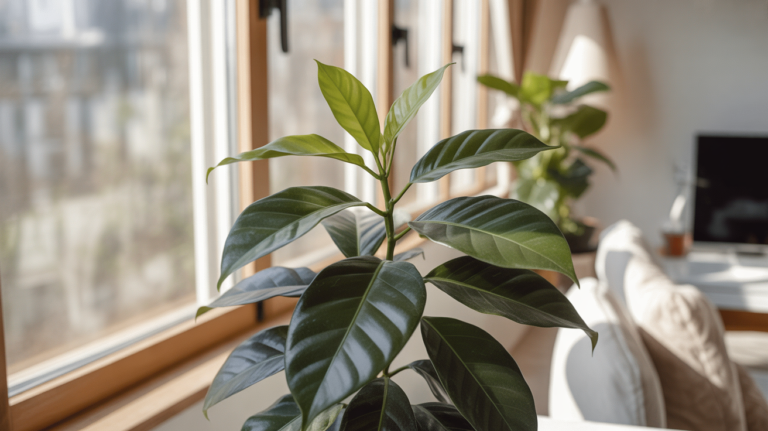
- Aesthetic Value: Coffee plants have glossy, vibrant green leaves that add a tropical vibe to any room.
- Air Purification: Like many indoor plants, coffee plants help purify the air, improving your home environment.
- Sustainable Hobby: Growing your own coffee beans at home can reduce your reliance on store-bought options and can even be a fun, sustainable hobby.
- Unique Conversation Starter: An indoor coffee plant is a unique houseplant that sparks curiosity and admiration from guests.
The key is understanding the coffee plant care indoors, which ensures that your plant grows healthily and eventually produces beans.
Step 1: Choosing the Right Coffee Plant

The first step in how to grow coffee indoors is selecting the right type of plant.
- Arabica vs. Robusta: Arabica is preferred for indoor growing due to its delicate nature and better flavor profile. Robusta can also grow indoors but tends to be less forgiving.
- Seed or Seedling: Beginners may find it easier to start with a young seedling instead of a raw coffee bean. Seedlings are already partially developed and have a higher survival rate indoors.
- Organic Coffee Plant: If you want to ensure chemical-free growth, consider purchasing an organic coffee plant.
When choosing your plant, make sure it is healthy, free from pests, and has vibrant leaves. Healthy plants are easier to nurture and will adapt more quickly to indoor environments.
Step 2: Preparing the Right Potting Mix

Proper soil is crucial for coffee plant care indoors. Coffee plants need a well-draining, nutrient-rich mix to thrive.
Tips for Preparing Soil for Indoor Coffee Plants:
- Use Acidic Soil: Coffee plants naturally grow in slightly acidic soil (pH 6–6.5). You can add peat moss or compost to achieve this.
- Ensure Good Drainage: Avoid waterlogged soil. Mix sand or perlite to improve drainage.
- Fertility: Include organic compost or slow-release fertilizer to ensure your plant receives the nutrients it needs.
For growing coffee plants indoors, the pot should have drainage holes at the bottom to prevent root rot. Choosing the right pot size is also essential — too small can stunt growth, too large can hold excess moisture.
Step 3: Planting Your Coffee Seed or Seedling

Once you have the potting mix ready, it’s time to plant your coffee seed or seedling.
For Seeds:
- Soak the coffee seeds in water for 24 hours before planting to encourage germination.
- Plant seeds about ½ inch deep in the soil.
- Keep the soil moist but not soggy. Germination may take 2–4 weeks, so patience is key.
For Seedlings:
- Dig a hole slightly larger than the seedling’s root ball.
- Place the seedling in the hole and fill it gently with soil.
- Water thoroughly, allowing excess water to drain.
Remember, how to take care of a coffee plant starts with planting it correctly. Proper planting ensures strong roots, which is essential for long-term growth.
Step 4: Providing Optimal Light and Temperature

Coffee plants naturally grow under the shade of taller trees, so indoor light is critical for their health.
Light Requirements:
- Coffee plants thrive in bright, indirect light.
- Direct sunlight can scorch leaves, while too little light slows growth and reduces leaf vibrancy.
- If natural light is limited, consider using a grow light to supplement.
Temperature:
- Ideal temperature for indoor coffee plants ranges between 65°F and 75°F.
- Avoid placing your plant near drafts, radiators, or air conditioners.
Maintaining proper lighting and temperature mimics the coffee plant’s natural environment, ensuring steady growth and healthy foliage.
Step 5: Watering and Fertilizing Your Indoor Coffee Plant

Watering is a crucial aspect of coffee plant care indoors. Overwatering is one of the most common mistakes beginners make.
Watering Tips:
- Keep the soil consistently moist but not waterlogged.
- Reduce watering during the winter months when growth slows down.
- Use room-temperature water to avoid shocking the roots.
Fertilizing Tips:
- Feed your coffee plant with a balanced, water-soluble fertilizer every 2–3 months.
- For organic coffee plants, use organic fertilizers or compost tea to provide nutrients naturally.
- Avoid over-fertilizing, which can damage roots and leaves.
Consistent watering and proper nutrition are key steps in how to grow coffee beans at home, ensuring your plant thrives and eventually produces flowers and berries.
Additional Tips for Growing Coffee Plants Indoors

While the 5 steps above form the core of coffee plant care, these additional tips can help beginners optimize growth and ensure a healthy plant:
- Pruning: Trim dead or yellowing leaves to encourage new growth and maintain a tidy shape.
- Humidity: Coffee plants prefer moderate humidity. Mist leaves occasionally or place a small humidifier nearby.
- Repotting: Repot your plant every 2–3 years to refresh soil and provide more room for roots.
- Pest Control: Watch for pests like spider mites or aphids. Organic insecticidal soap can help control infestations.
- Patience: Indoor coffee plants grow slowly. Expect 3–4 years before seeing beans from a seed.
By combining these tips with the main steps, beginners can confidently manage growing coffee plants indoors.
Common Mistakes Beginners Make With Indoor Coffee Plants
Even experienced plant owners can make mistakes with indoor coffee plants. Here are common pitfalls to avoid:
- Overwatering: Root rot is a frequent issue caused by excessive water.
- Underwatering: Coffee plants need consistent moisture to thrive.
- Poor Lighting: Lack of sufficient light can result in weak growth and pale leaves.
- Ignoring Temperature Needs: Exposure to extreme temperatures can stress the plant.
- Using Wrong Soil: Coffee plants need slightly acidic, well-draining soil.
Being aware of these mistakes helps you ensure your coffee plant care indoors is successful and long-lasting.
Harvesting Coffee Beans Indoors

One of the most exciting aspects of growing coffee plants indoors is eventually harvesting your own beans.
- Flowering: Coffee plants bloom with small white flowers that have a jasmine-like fragrance.
- Berry Development: After flowering, the plant produces green berries, which slowly turn red or yellow when ripe.
- Harvesting: Pick berries when they are fully colored. Inside, this process can take a few years, so patience is essential.
- Processing Beans: Once harvested, the beans need to be removed from the pulp, dried, and roasted before brewing.
Even if you’re primarily growing the plant for décor, the chance to produce homegrown coffee beans is incredibly rewarding.
Why Indoor Coffee Plants Are Perfect for Beginners

For those just starting their plant journey, indoor coffee plants are ideal because:
- They adapt well to container growth.
- They thrive in moderate indoor temperatures.
- They offer both aesthetic beauty and potential harvest.
- Learning how to grow coffee beans at home teaches patience, care, and environmental awareness.
Following the five steps in this guide ensures that even beginners can enjoy the full experience of growing a coffee plant indoors.
Conclusion
Growing a coffee plant indoors is a fulfilling and decorative hobby. By learning how to grow coffee plant indoors, understanding coffee plant care indoors, and following the 5 essential steps—choosing the right plant, preparing soil, planting, optimizing light and temperature, and proper watering and fertilizing—you can enjoy a healthy, thriving indoor coffee plant.
Whether you aim to eventually grow coffee beans indoors or simply want a beautiful tropical plant in your home, this guide provides a beginner-friendly roadmap for success.
Remember, patience is key. With consistent care and attention, your indoor coffee plant will flourish, bringing both natural beauty and the possibility of homegrown coffee into your living space.
Now it’s time to get your hands a little dirty and start your journey in growing coffee plants indoors. Happy planting!