13 Ways To Attach Plastic Securely To A Greenhouse
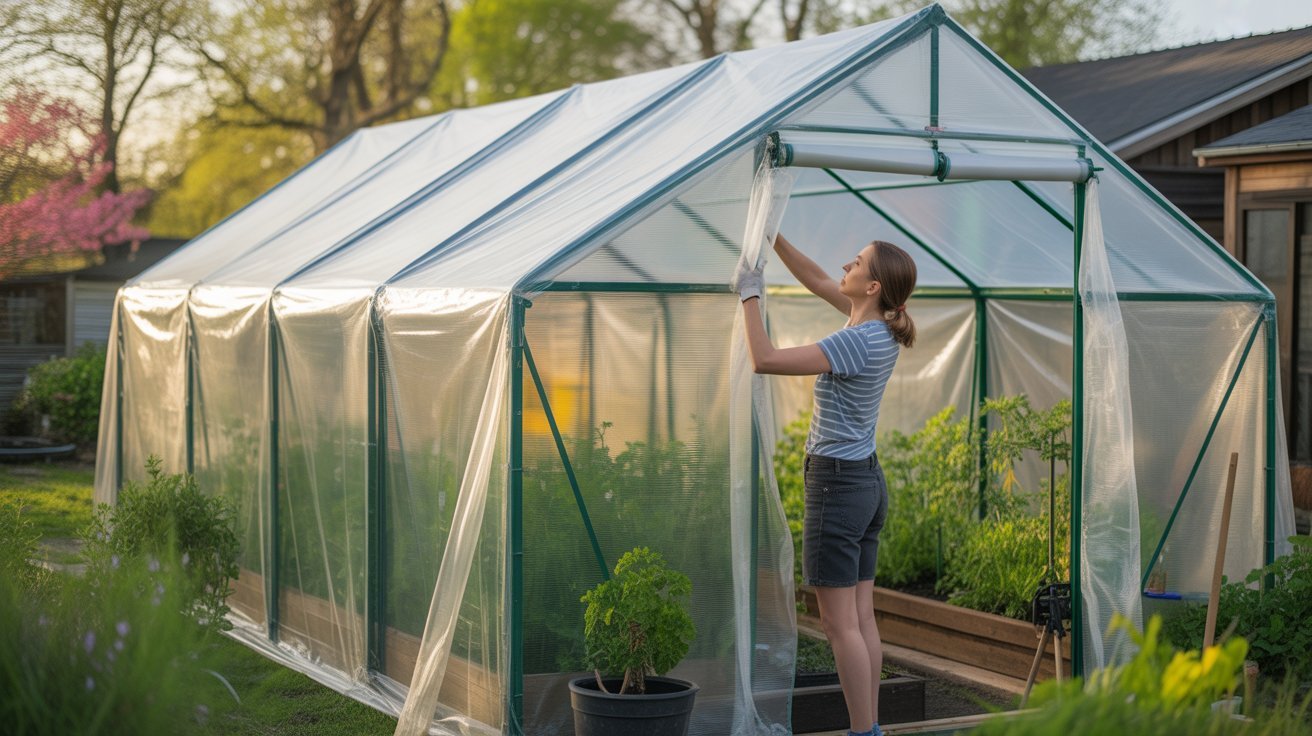
A greenhouse is an invaluable asset for any gardener, whether you are a hobbyist or a professional. One of the most critical components of a greenhouse is the plastic covering. Properly attaching plastic not only protects your plants from harsh weather but also ensures optimal growth conditions. However, securing plastic can be tricky if you don’t know the best methods. In this guide, we will explore 13 ways to attach plastic securely to a greenhouse, ensuring it stays intact and provides maximum protection for your plants.
1. Using Greenhouse Clips

Greenhouse clips are one of the easiest and most popular methods for securing plastic sheeting. These clips are specifically designed to grip plastic tightly without tearing it.
- Plastic greenhouse clips come in various sizes and are reusable.
- Metal clips provide extra strength for areas exposed to strong winds.
- Attach clips along the frame at intervals of 12–18 inches to ensure even tension.
Using clips allows for easy removal and replacement of plastic, making maintenance simple. This method is ideal for gardeners looking for a quick, efficient, and reusable solution.
2. The Role of Batten Strips
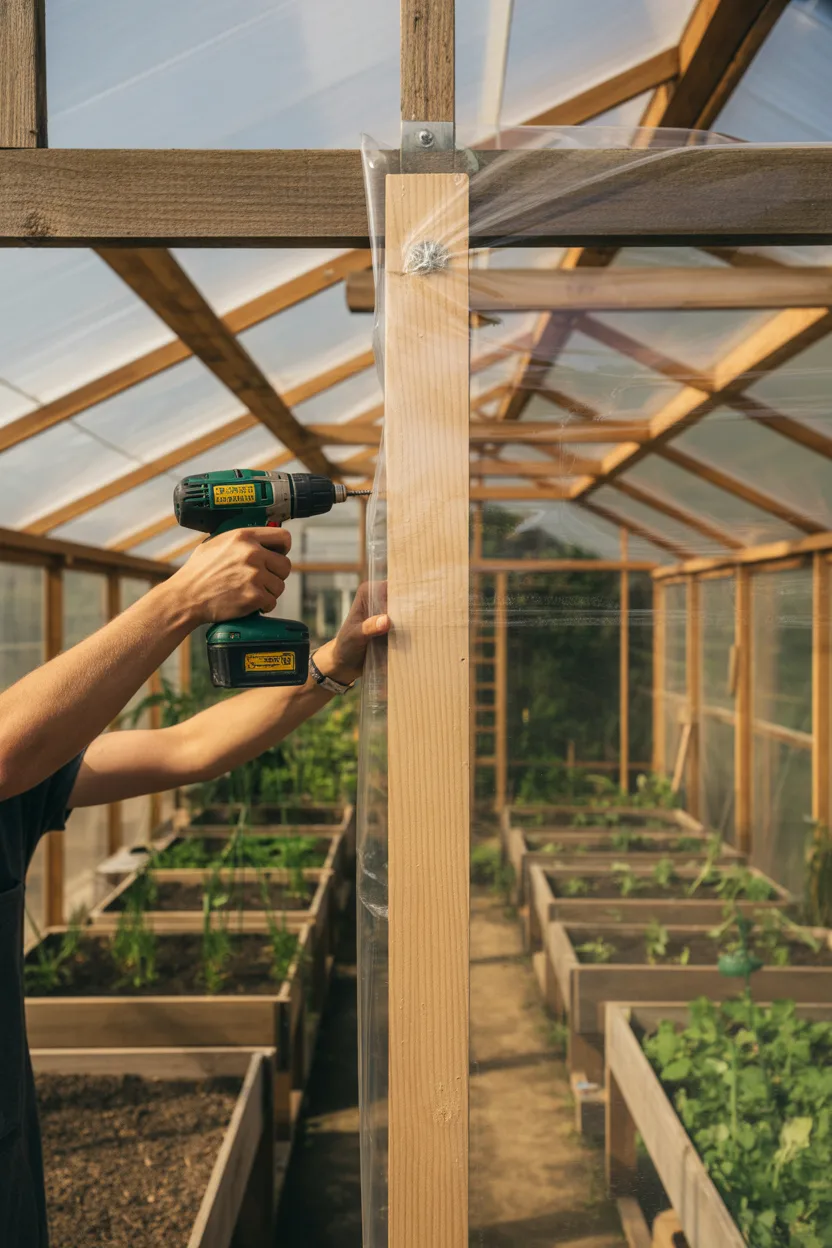
Batten strips are long, narrow strips of wood or metal that hold the plastic against the greenhouse frame.
- Place the plastic over the greenhouse frame and secure it by screwing batten strips on top.
- This method provides a tight seal that resists wind uplift and sagging.
- Batten strips are particularly effective on larger greenhouse structures, where clips alone may not be sufficient.
The advantage of batten strips is that they provide a permanent solution while allowing the plastic to remain smooth and wrinkle-free.
3. PVC or Plastic Channels
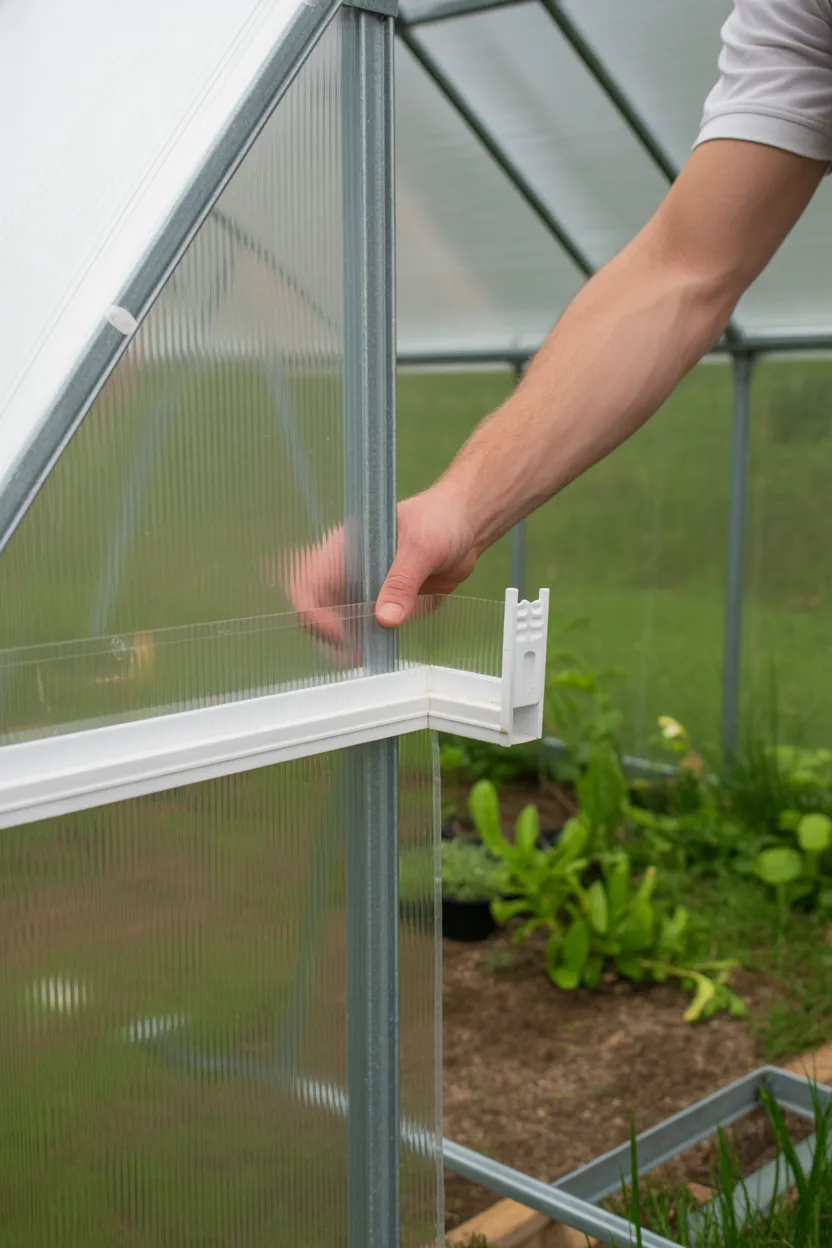
Plastic channels, often made of PVC, can secure greenhouse plastic without using screws or nails.
- Slide the plastic into the groove of the channel, and it holds the sheet firmly in place.
- Channels prevent tearing and create a neat, finished appearance.
- Ideal for DIY greenhouses or retrofitting older frames.
Using PVC channels is a neat solution for gardeners seeking durability with minimal hardware.
4. U-Clips or Snap Clips

Snap clips or U-clips offer a secure, tension-based method for holding plastic sheets.
- These clips work by snapping over the greenhouse frame, pinching the plastic in place.
- They are reusable, affordable, and simple to install.
- Best for lightweight plastic and smaller greenhouse frames.
U-clips are particularly popular for small-scale gardeners who prefer low-maintenance solutions.
5. Rope or Twine Tensioning

For gardeners seeking a more hands-on approach, rope or twine can provide a tight, flexible hold.
- Wrap the rope over the plastic and tie it to the frame.
- Apply consistent tension to avoid sagging.
- Works well with both small and medium-sized greenhouses.
This method is economical and requires no special tools, making it a favorite among hobbyists.
6. Using Metal or Plastic Clamps

Clamps, similar to those used in woodworking, can be adapted for greenhouse use.
- Metal clamps offer the strongest hold, ideal for windy areas.
- Plastic clamps prevent damage to the greenhouse plastic.
- Position clamps along the frame every foot or so for even tension.
This technique is particularly effective for reinforcing areas prone to stress, such as roof edges or corners.
7. Tension Wires for Large Greenhouses
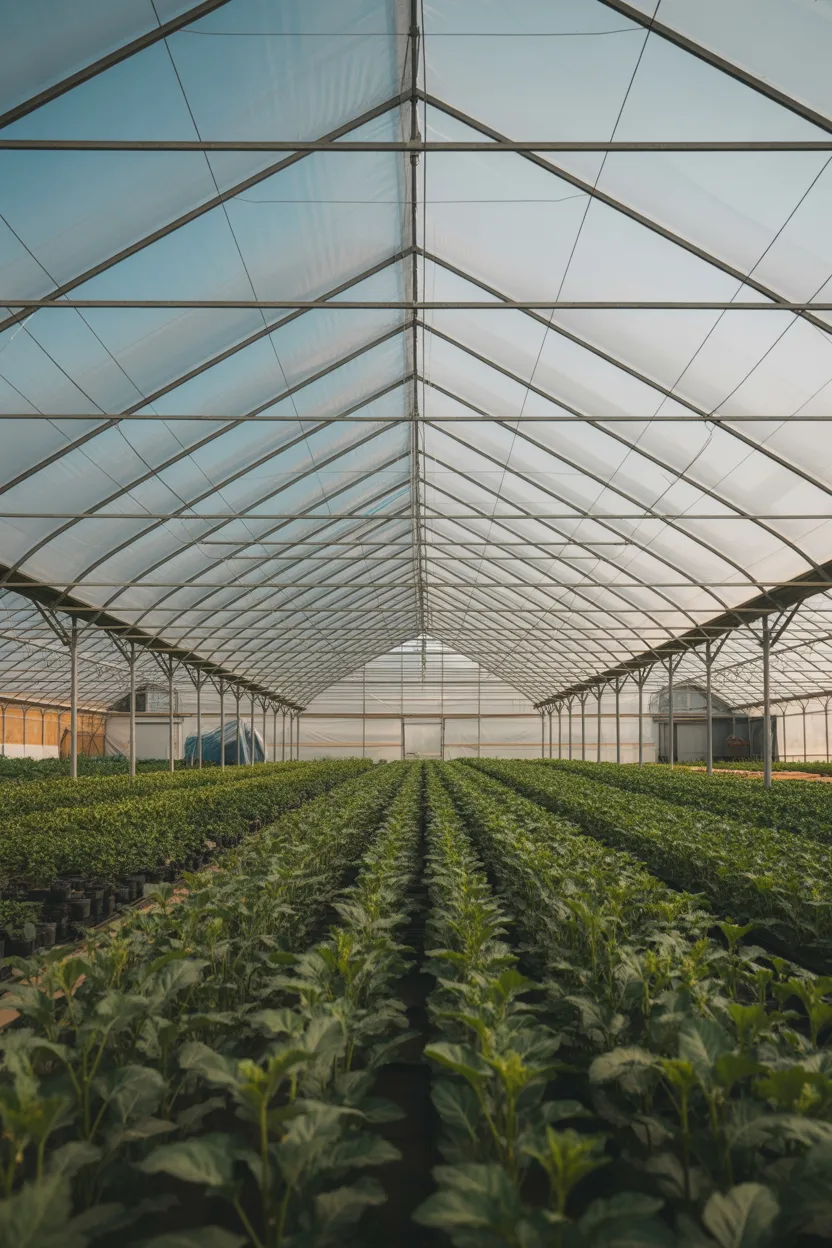
Large greenhouse structures often require tension wires to hold plastic securely.
- Stretch a wire along the frame or across panels.
- Secure the plastic to the wire using clips or ties.
- Tension wires prevent sagging over long spans and reduce stress on the frame.
This method is a must for commercial growers or anyone with a greenhouse wider than 12 feet.
8. Hook and Eye Method
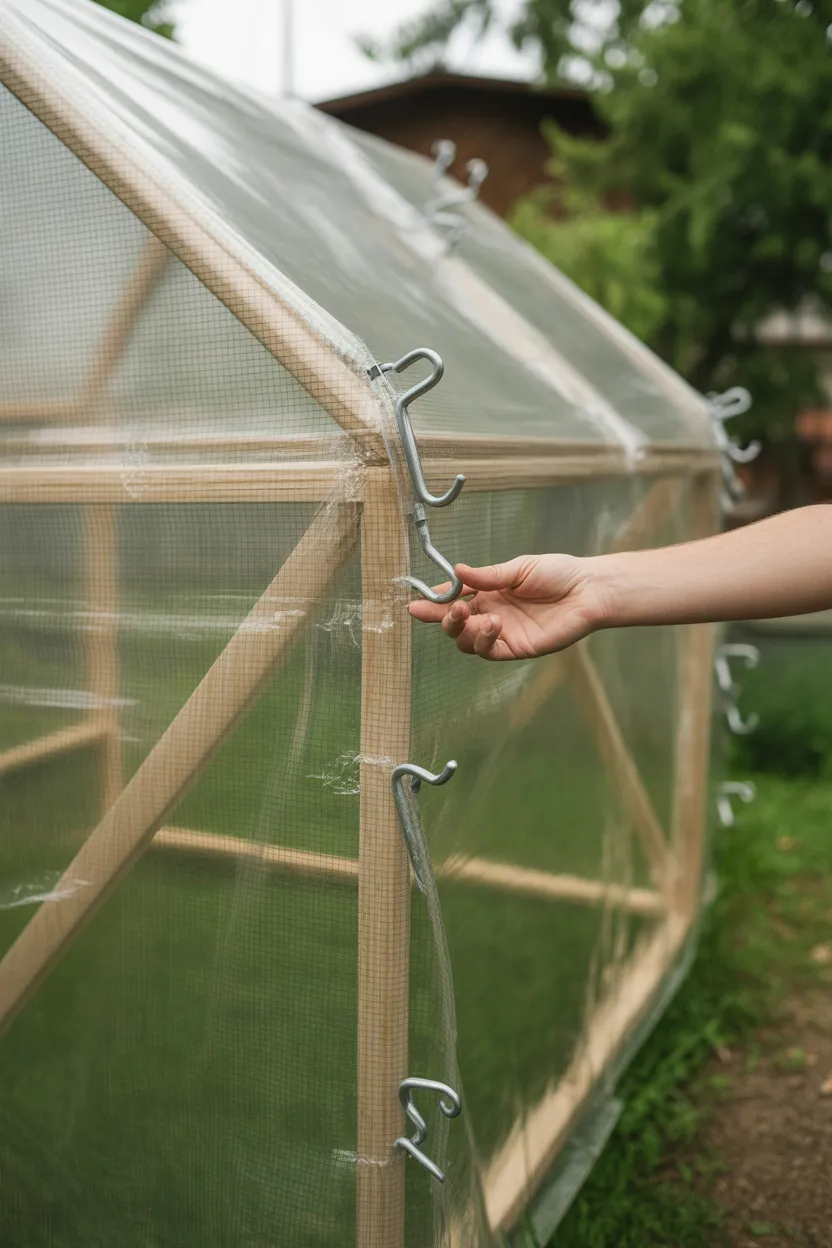
The hook and eye method provides a simple, adjustable way to secure plastic.
- Screw small hooks into the greenhouse frame.
- Stretch the plastic over the frame and loop it over the hooks.
- Ideal for temporary greenhouses or seasonal coverings.
This system allows you to easily remove plastic for cleaning or replacement.
9. Stapling to Wooden Frames
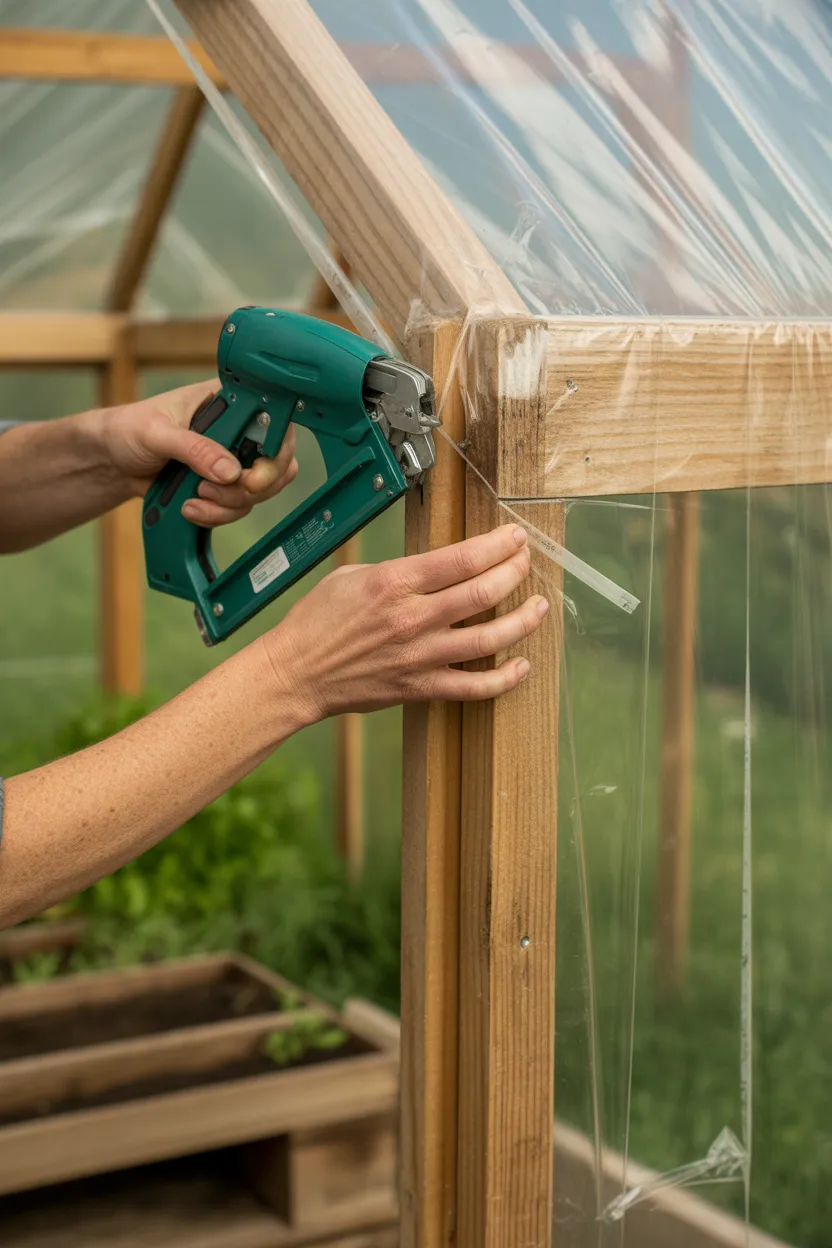
Stapling is a traditional method for securing greenhouse plastic, especially on wooden frames.
- Stretch the plastic taut and staple it along the edges.
- Use a staple gun for speed and consistency.
- Reinforce corners and stress points with extra staples.
While effective, stapling is permanent and may require careful handling to avoid tearing the plastic.
10. Heat-Sealing or Welding
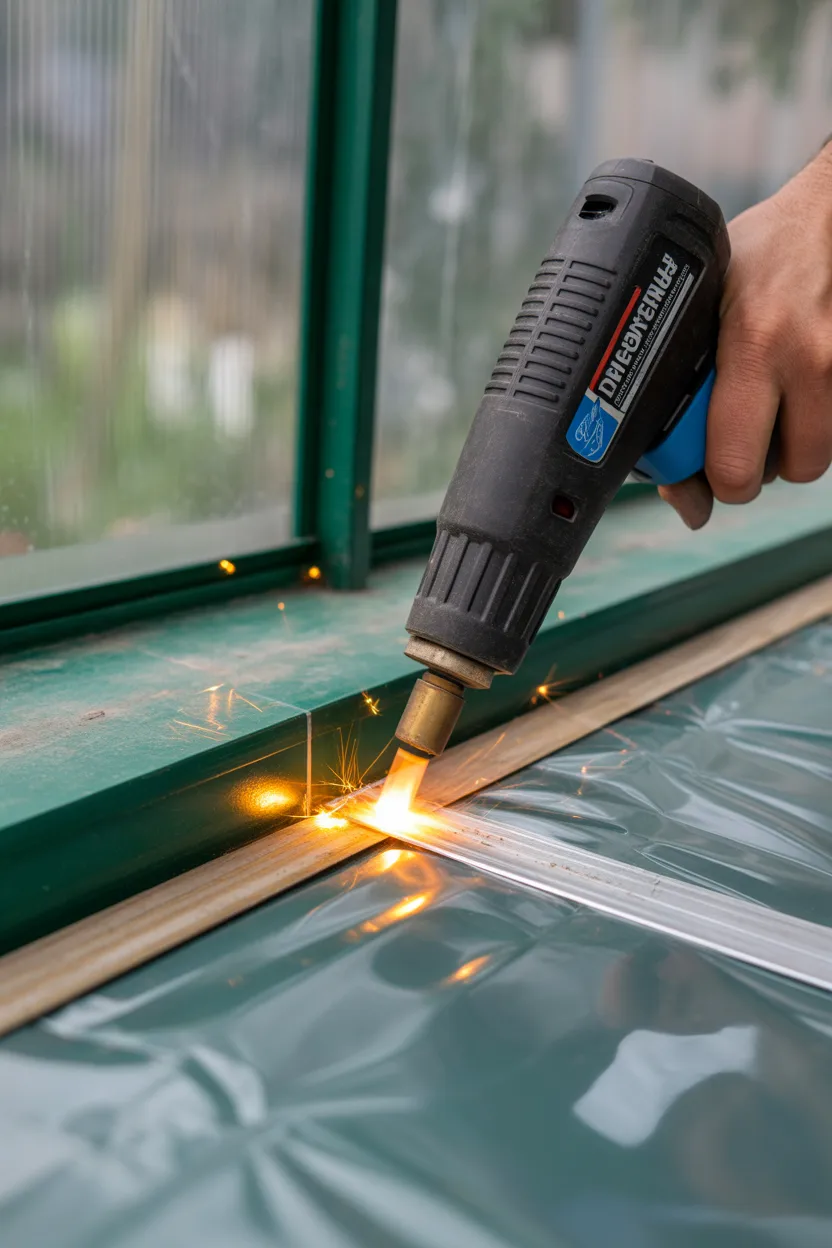
For more advanced DIYers or commercial greenhouses, heat sealing is an option.
- Use a plastic welding tool or heat gun to fuse plastic to PVC or metal strips.
- Provides a strong, airtight seal that prevents water and air leaks.
- Excellent for long-term greenhouse projects.
Heat sealing is particularly suited for polyethylene sheeting used in professional greenhouse setups.
11. Weighted Edges

For smaller greenhouses or temporary setups, using weight along the edges is simple and effective.
- Lay bricks, wooden planks, or sandbags along the bottom edge of the plastic.
- Prevents wind from lifting the plastic and causing damage.
- Works best for low-profile or small greenhouses.
Weighted edges are a low-cost solution for gardeners who do not want to drill or use clips.
12. Zip Ties and Cable Ties

Zip ties or cable ties are versatile and easy to use for greenhouse plastic.
- Wrap the plastic around the frame and fasten it with a zip tie.
- Cut excess tie for a neat finish.
- Works well for quick fixes or adding extra security to clips.
This method is popular due to its simplicity and strong grip, making it ideal for DIY enthusiasts.
13. Combination Methods
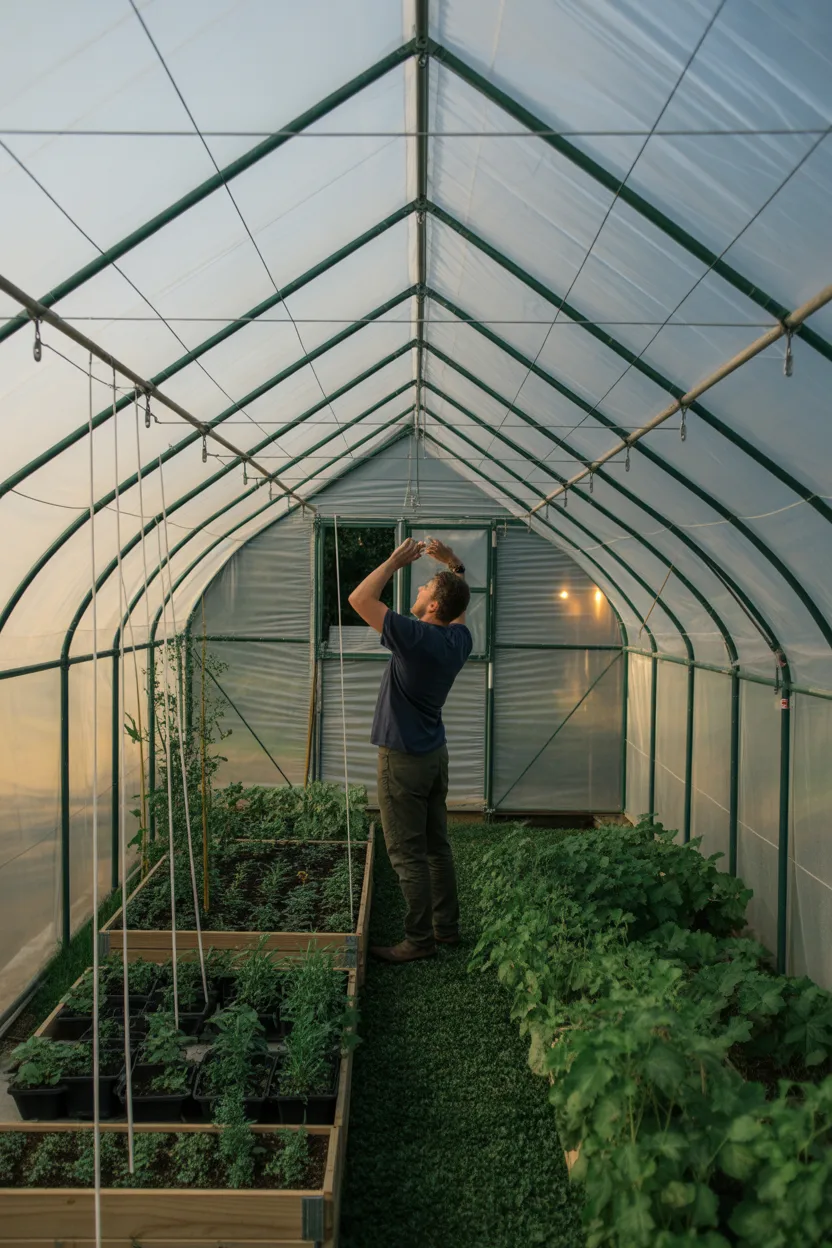
Often, the best approach is to combine several of the methods above for maximum security.
- Use clips for everyday attachment and reinforce with batten strips at high-stress points.
- Tension wires combined with U-clips prevent sagging in large greenhouses.
- Stapling corners while using rope or ties along edges provides a flexible yet secure hold.
Combination methods ensure that your greenhouse plastic remains taut and secure, even during storms or extreme weather.
Tips for Long-Term Success
Securing plastic to a greenhouse is not just about attachment—it’s also about longevity. Here are some tips:
- Choose the right plastic – UV-resistant, heavy-duty polyethylene lasts longer and withstands tearing.
- Stretch evenly – Avoid wrinkles and folds to reduce stress points.
- Check regularly – Inspect clips, ties, and staples monthly for wear or loosening.
- Replace damaged sections – Torn plastic can spread and compromise the greenhouse structure.
- Consider ventilation – Avoid over-tightening plastic near vents or doors.
Common Mistakes to Avoid
Even experienced gardeners can make mistakes when attaching greenhouse plastic. Avoid these pitfalls:
- Using low-quality clips – Cheap clips can break under wind or UV exposure.
- Over-tightening – Excess tension can rip the plastic.
- Ignoring corners and edges – These areas experience the most stress and need reinforcement.
- Not allowing for expansion – Plastic expands in the sun and contracts at night; leave slight slack if necessary.
By avoiding these mistakes, your greenhouse will stay secure and your plants protected.
Conclusion
Attaching plastic securely to a greenhouse is essential for protecting your plants and ensuring a thriving growing environment. From greenhouse clips and batten strips to rope tensioning and heat sealing, there are numerous ways to keep your greenhouse covering in place. Selecting the right method—or a combination of methods—depends on your greenhouse size, budget, and how permanent you want the installation to be.
By following these 13 methods to attach plastic securely to a greenhouse, you can enjoy a durable, weather-resistant, and efficient greenhouse that supports your gardening success for years to come. Proper installation not only saves money on repairs but also creates optimal conditions for your plants, helping you grow healthy, vibrant crops all year round.