14 Tips To Build A Wind-Resistant Greenhouse

Building a greenhouse is an exciting step for any gardening enthusiast. Whether you want to grow vegetables year-round, nurture exotic plants, or protect seedlings from harsh weather, a greenhouse provides the perfect controlled environment. However, if you live in a windy area, constructing a sturdy structure becomes even more critical. Strong gusts can damage frames, tear panels, and even uproot an entire structure if it isn’t properly secured.
In this comprehensive guide, we’ll explore 14 practical Tips To Build A Wind-Resistant Greenhouse that will help you create a durable, long-lasting, and secure growing space. From site selection to anchoring methods and material choices, every detail matters when it comes to wind protection.
1. Choose the Right Location Carefully
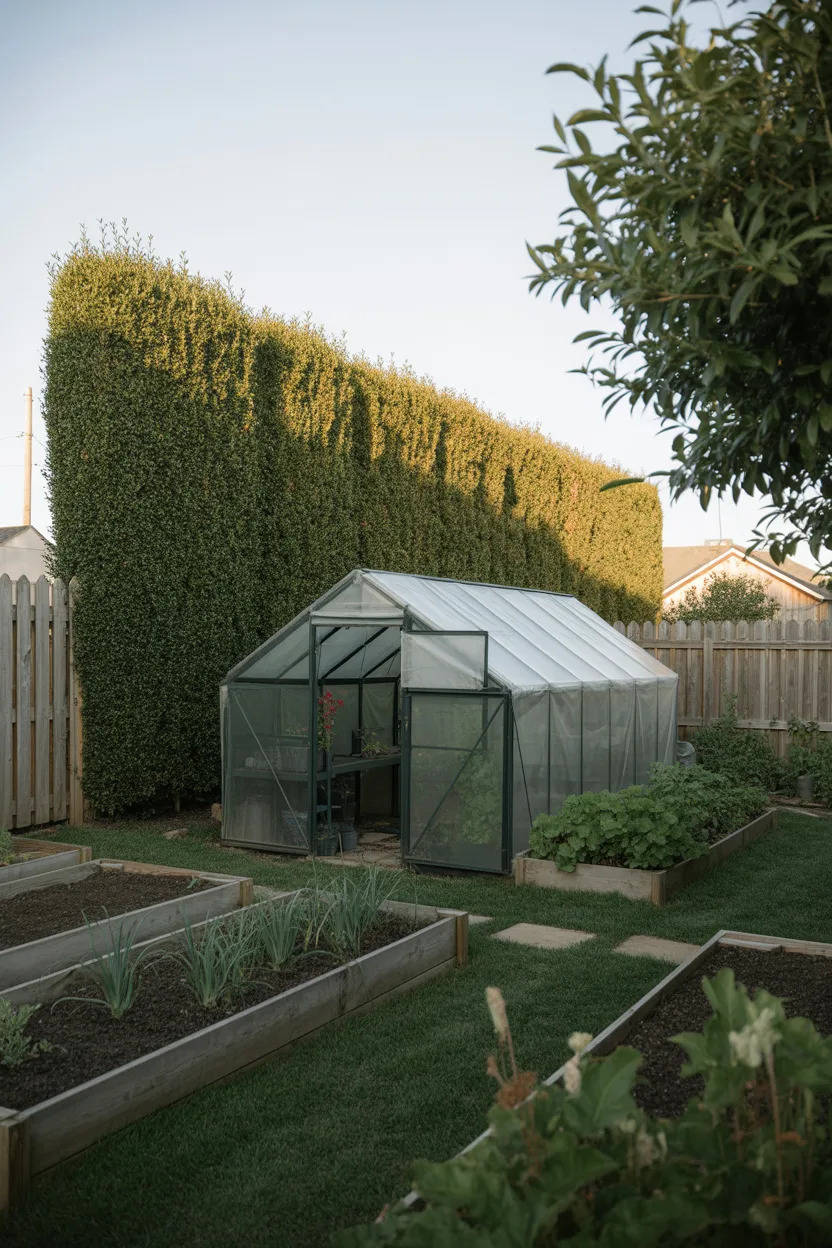
The first and most important step in building a wind-resistant greenhouse is selecting the right location. Even the strongest structure can fail if placed in an exposed, high-wind corridor.
What to Look For:
- A natural windbreak such as trees, hedges, or fences
- Placement near a solid wall or building
- Avoiding hilltops or open fields
- Positioning the greenhouse with its narrow end facing prevailing winds
Natural wind barriers reduce wind speed significantly before it reaches your greenhouse. However, avoid placing the structure too close to large trees with weak roots, as falling branches during storms can cause severe damage.
2. Invest in a Strong Frame Material
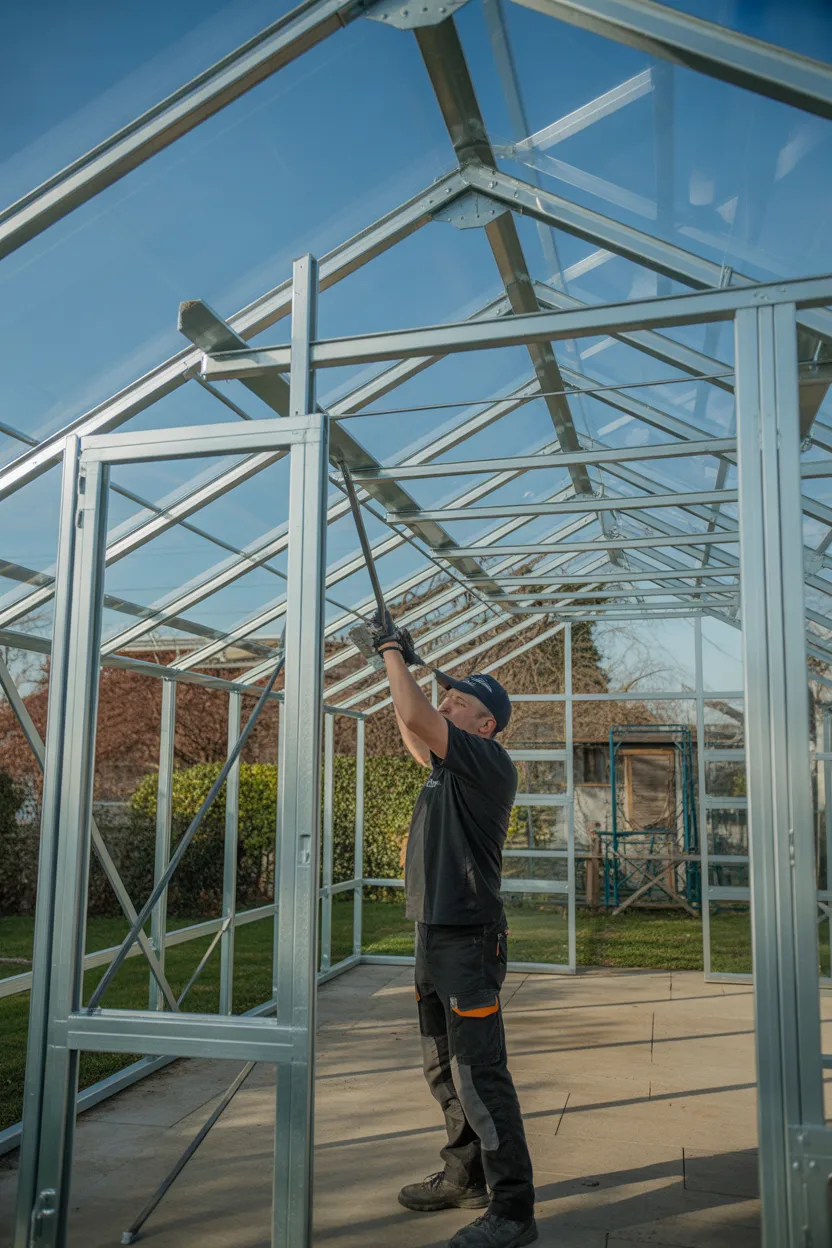
One of the most essential Tips To Build A Wind-Resistant Greenhouse is choosing a strong frame.
Recommended Materials:
- Galvanized steel – Highly durable and resistant to rust
- Aluminium – Lightweight yet strong
- Pressure-treated wood – Aesthetic but less wind-resistant than metal
Steel frames are ideal for high-wind areas because they provide structural rigidity. Avoid lightweight plastic frames in storm-prone regions.
3. Opt for a Low-Profile Design
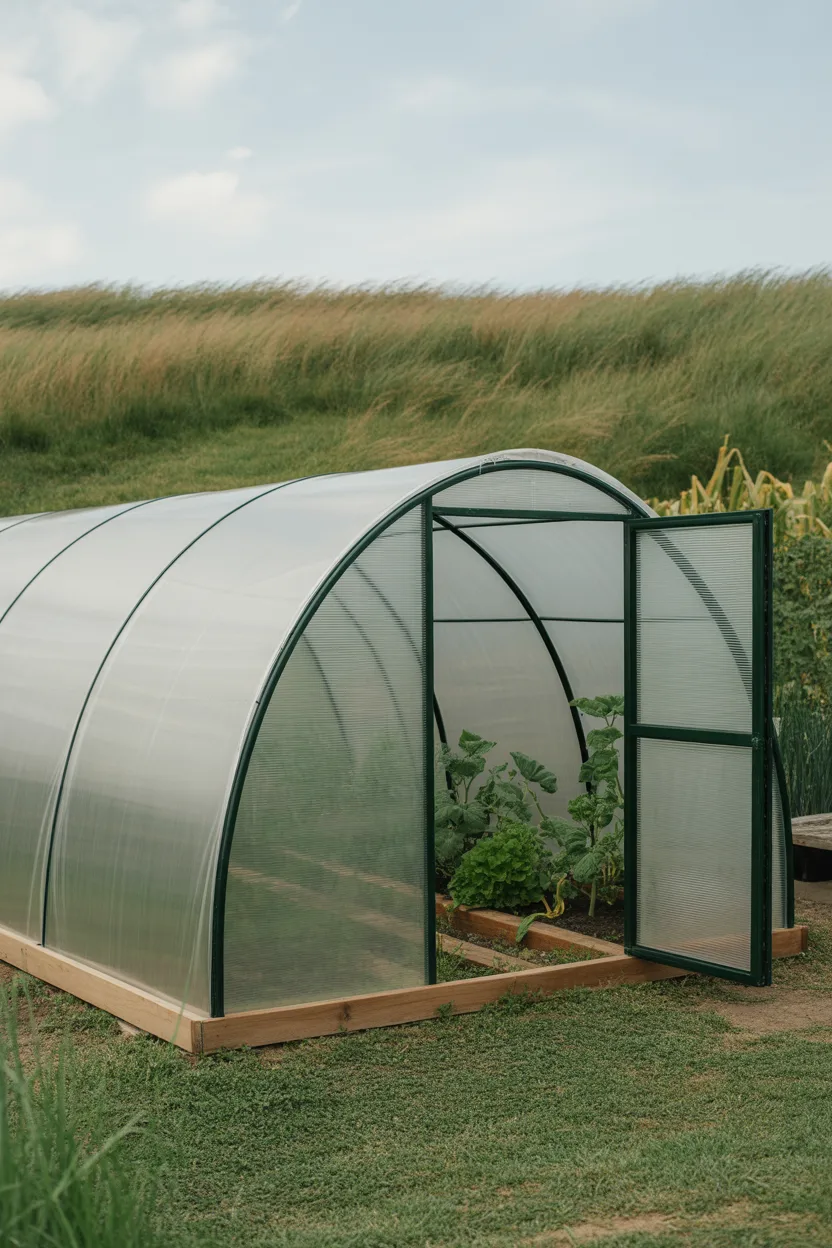
Tall, narrow greenhouses catch more wind. A lower-profile structure with a sloped roof reduces wind pressure.
Best Design Features:
- Quonset (hoop-style) greenhouses
- Gothic arch structures
- Slanted or curved roofs
These designs allow wind to flow over the structure instead of pushing against flat surfaces.
4. Build a Strong Foundation
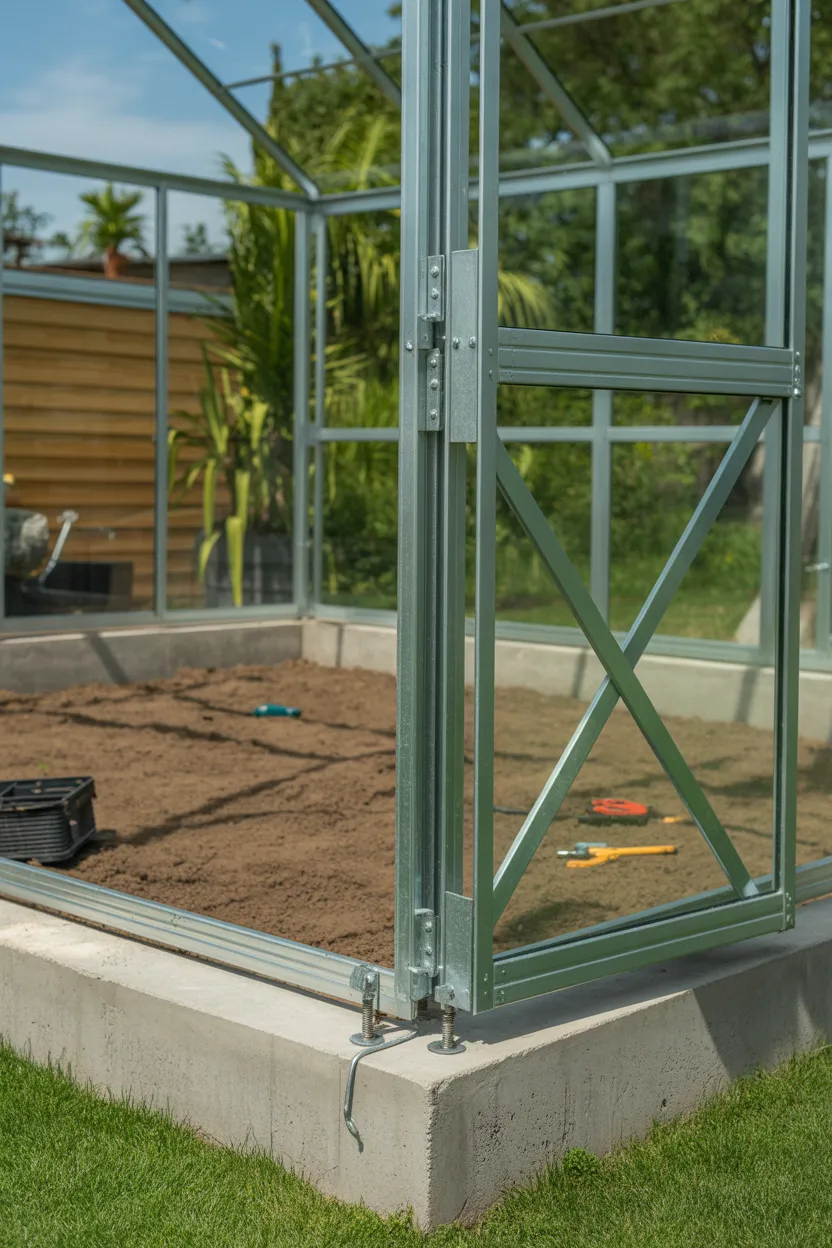
A greenhouse without a proper foundation is highly vulnerable to wind uplift.
Foundation Options:
- Concrete slab
- Concrete footings
- Ground anchors
- Treated timber base secured to concrete
Bolting the frame directly into a concrete base significantly improves wind resistance. This is one of the most overlooked yet vital Tips To Build A Wind-Resistant Greenhouse.
5. Use Wind-Resistant Glazing Materials
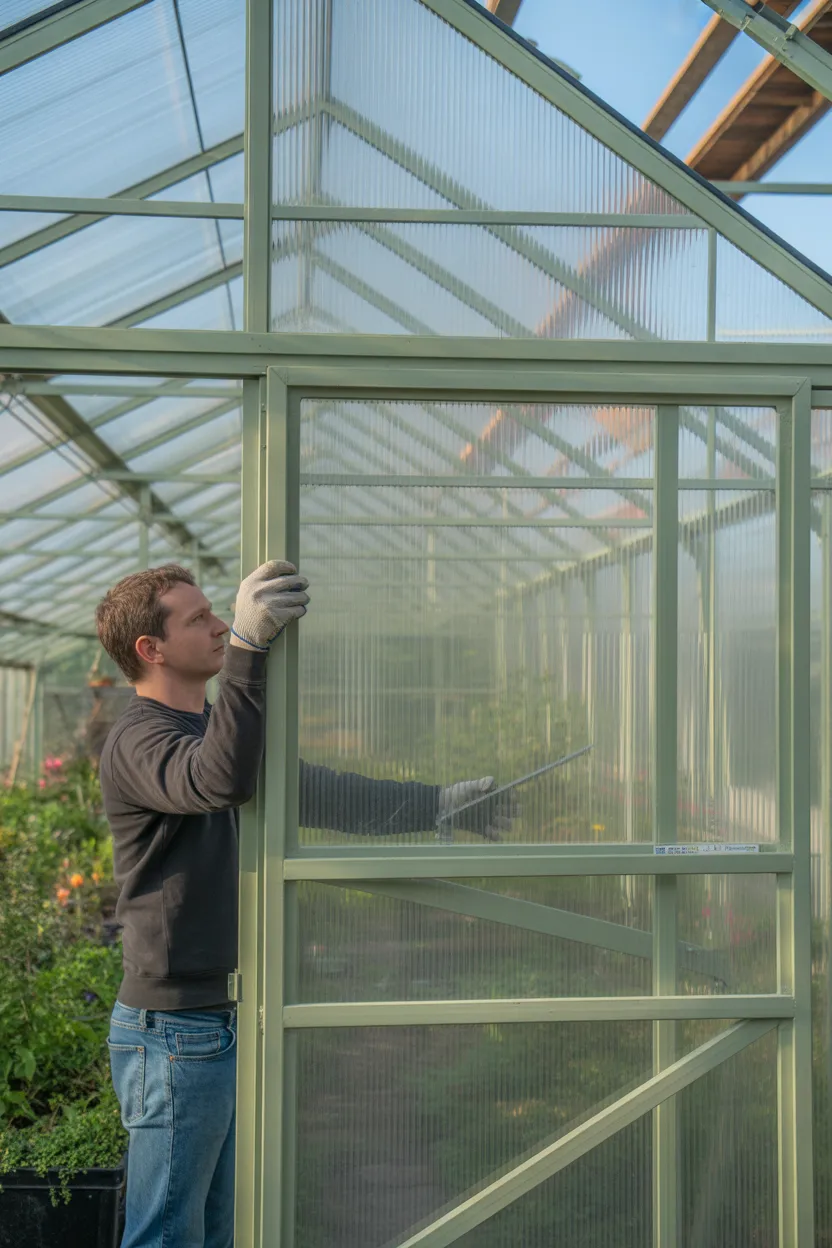
The covering material you choose impacts durability.
Best Options:
- Twin-wall polycarbonate panels
- Tempered safety glass
- UV-resistant polyethylene (thicker grade)
Polycarbonate panels are highly recommended for windy climates because they are lightweight yet impact-resistant.
6. Secure All Panels and Seals Properly
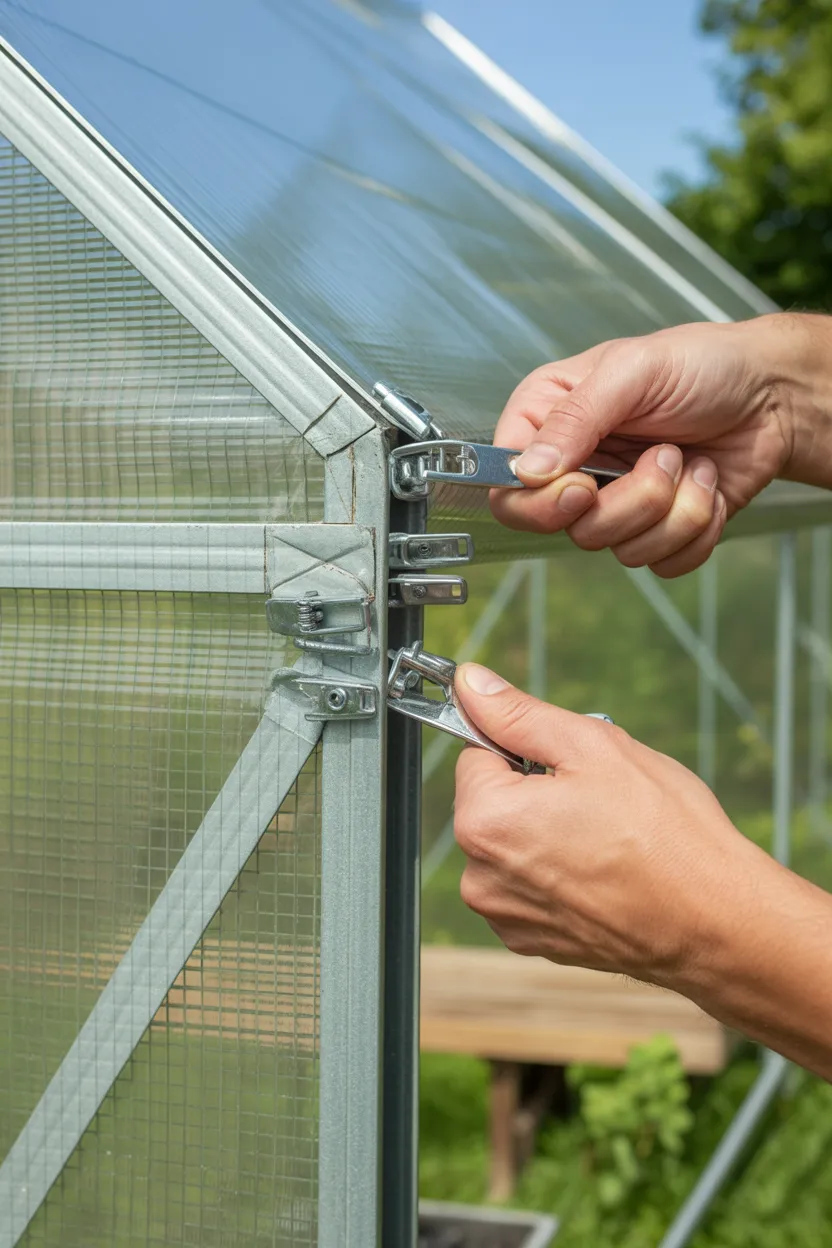
Even high-quality panels can fail if poorly installed.
Installation Tips:
- Use heavy-duty clips and fasteners
- Seal edges tightly with weatherproof tape
- Avoid loose-fitting panels
- Double-check door and window seals
Wind often exploits small gaps, creating internal pressure that can blow panels outward.
7. Install Cross Bracing for Extra Stability
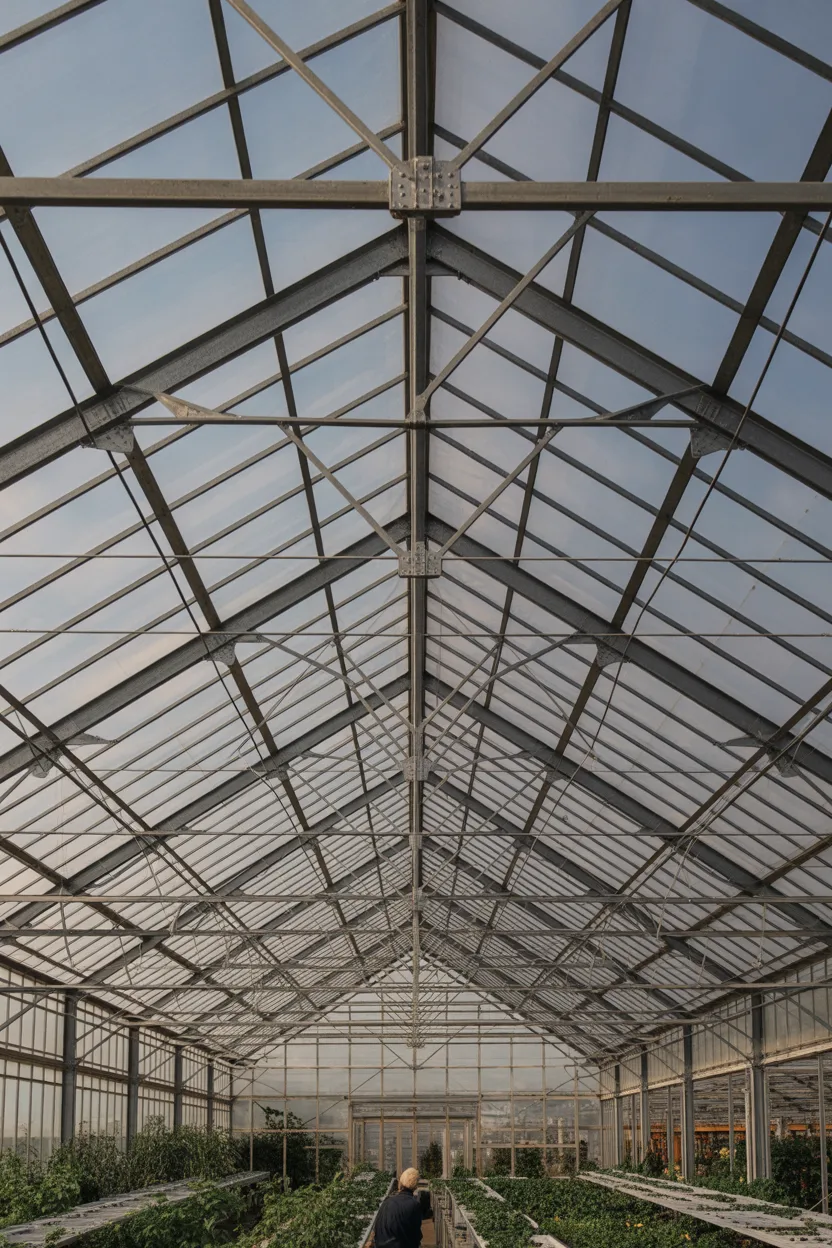
Cross bracing significantly improves structural integrity.
How It Helps:
- Prevents frame twisting
- Distributes wind load evenly
- Reduces structural sway
Diagonal metal braces strengthen weak points and are especially important in larger greenhouses.
8. Anchor the Greenhouse Deeply into the Ground
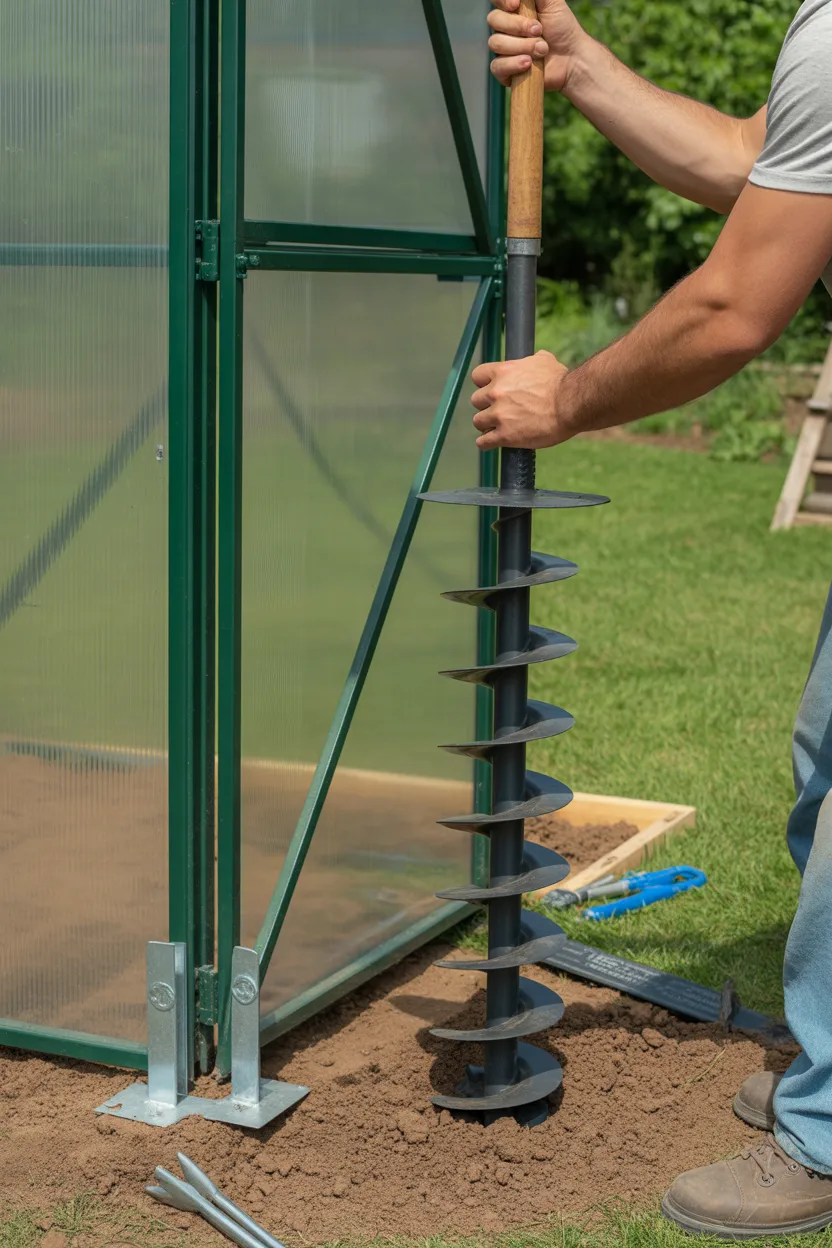
Anchoring is a non-negotiable step when applying Tips To Build A Wind-Resistant Greenhouse.
Effective Anchoring Methods:
- Auger anchors
- Concrete-embedded posts
- Earth anchors
- Heavy-duty ground stakes
Anchors should penetrate deep enough to withstand uplift forces during storms.
9. Reinforce Doors and Vents
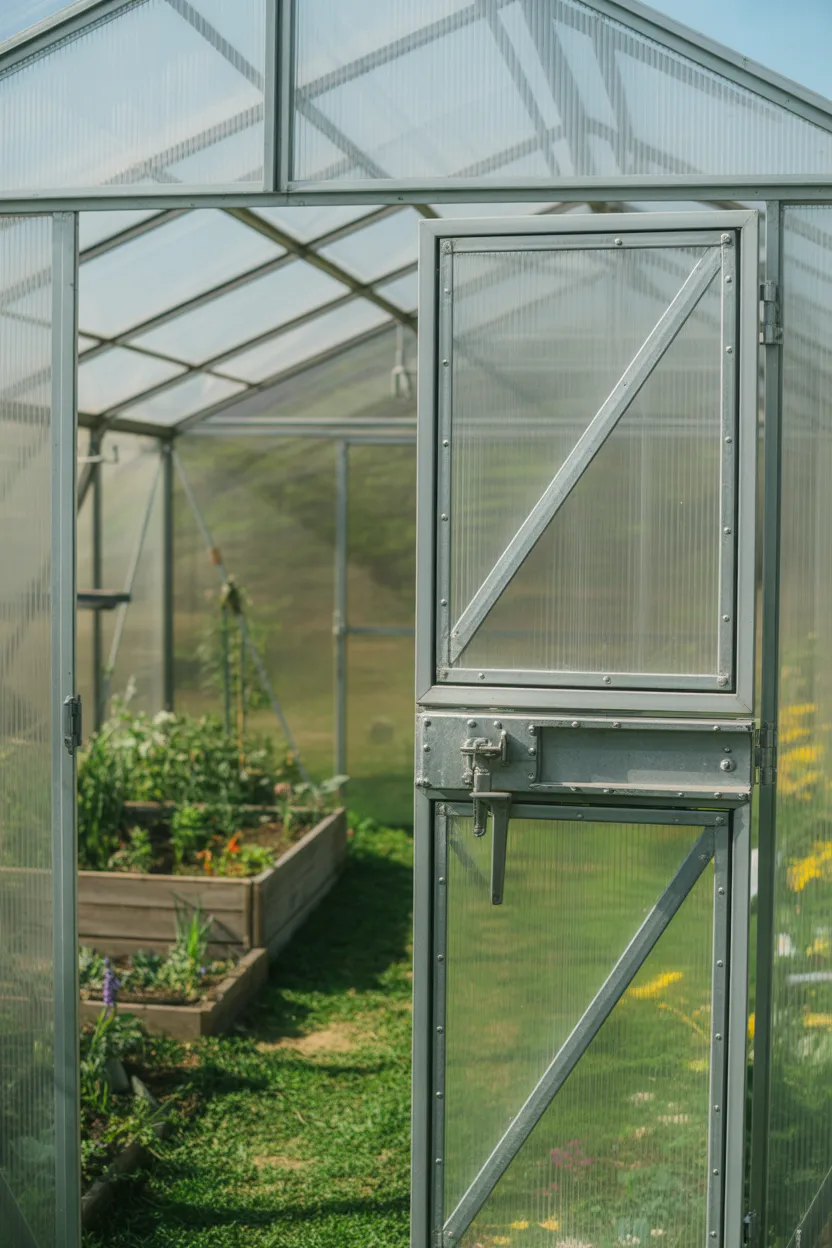
Doors and vents are common failure points during high winds.
Best Practices:
- Install storm latches
- Use heavy-duty hinges
- Add additional locking mechanisms
- Secure vents during storms
If doors blow open, wind pressure inside the greenhouse increases dramatically.
10. Consider Adding Windbreak Structures
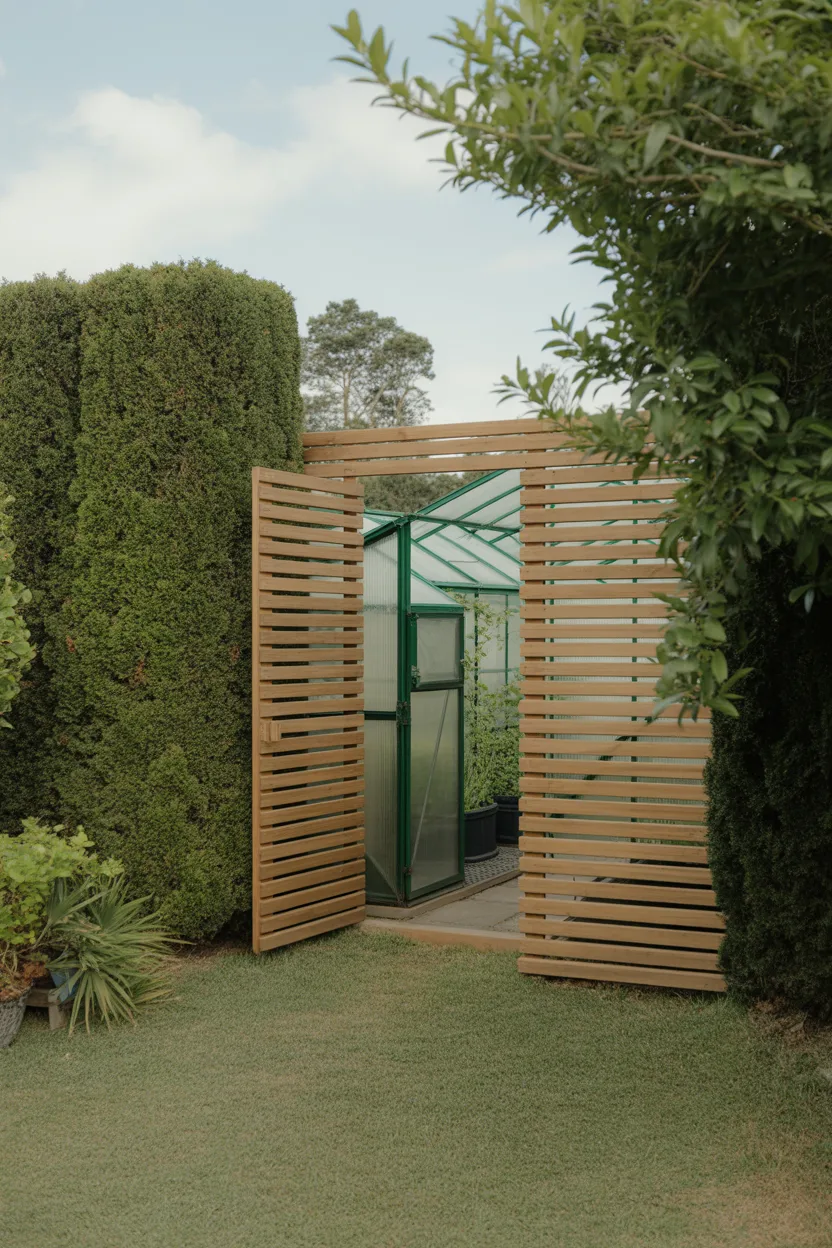
Artificial windbreaks can reduce wind speed by up to 50%.
Windbreak Options:
- Wooden slatted fences
- Wind mesh netting
- Living hedges
- Solid boundary walls
Place windbreaks at a safe distance to prevent turbulence directly around the greenhouse.
11. Regular Maintenance and Inspection
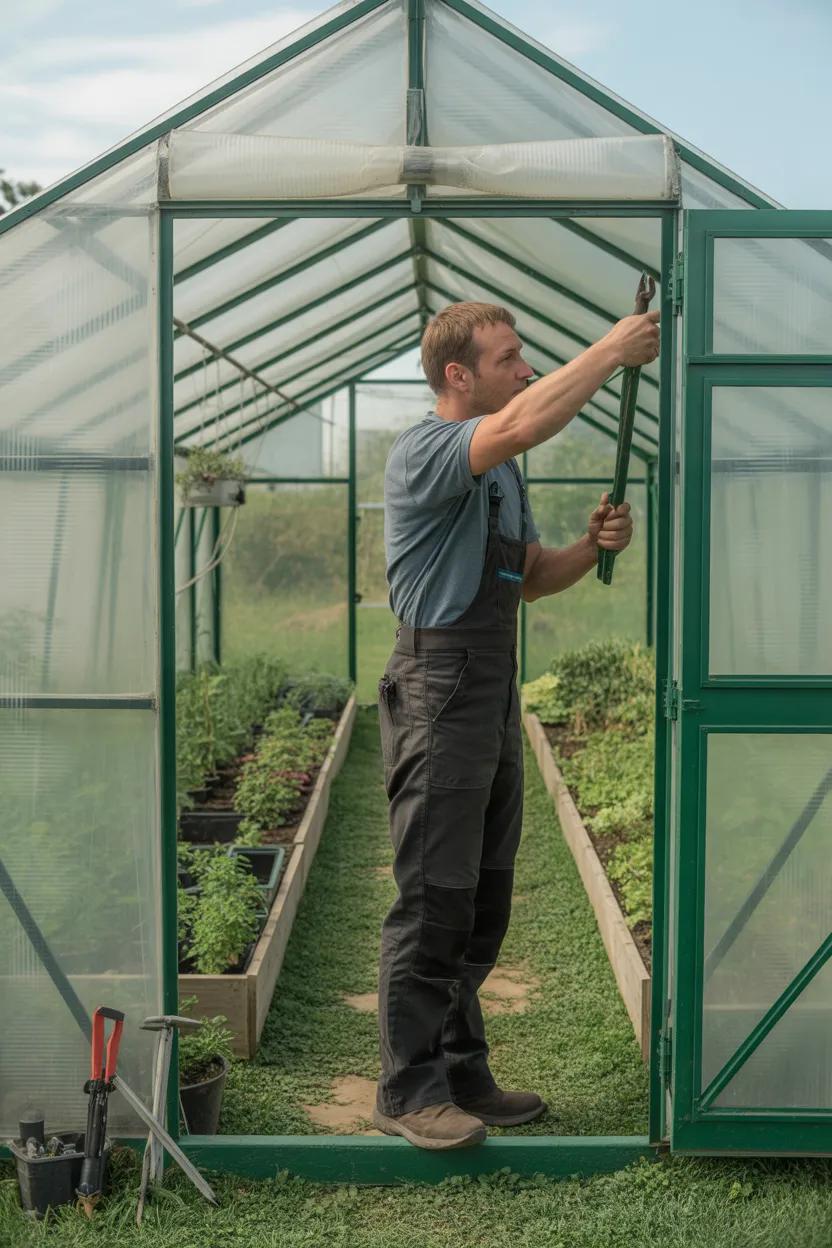
Even a well-built greenhouse needs ongoing care.
Maintenance Checklist:
- Tighten bolts and screws seasonally
- Replace worn seals
- Inspect for cracks or weak joints
- Check anchor stability annually
Preventative maintenance is one of the smartest long-term Tips To Build A Wind-Resistant Greenhouse.
12. Choose the Right Orientation
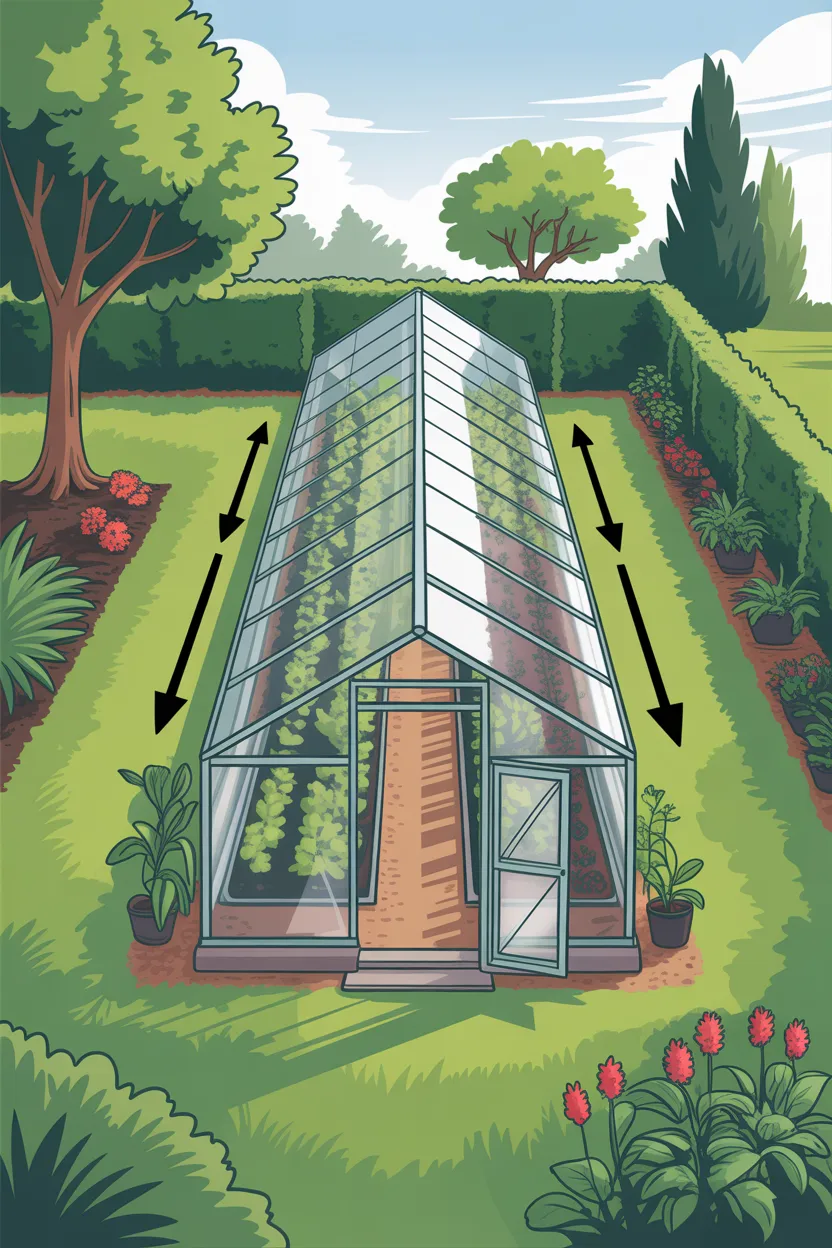
Proper orientation reduces direct wind impact.
Orientation Advice:
- Face the narrow end toward prevailing winds
- Position long sides parallel to wind direction
- Ensure good airflow without direct exposure
Understanding your local wind patterns helps improve structural resilience.
13. Upgrade with Storm Straps and Reinforcements
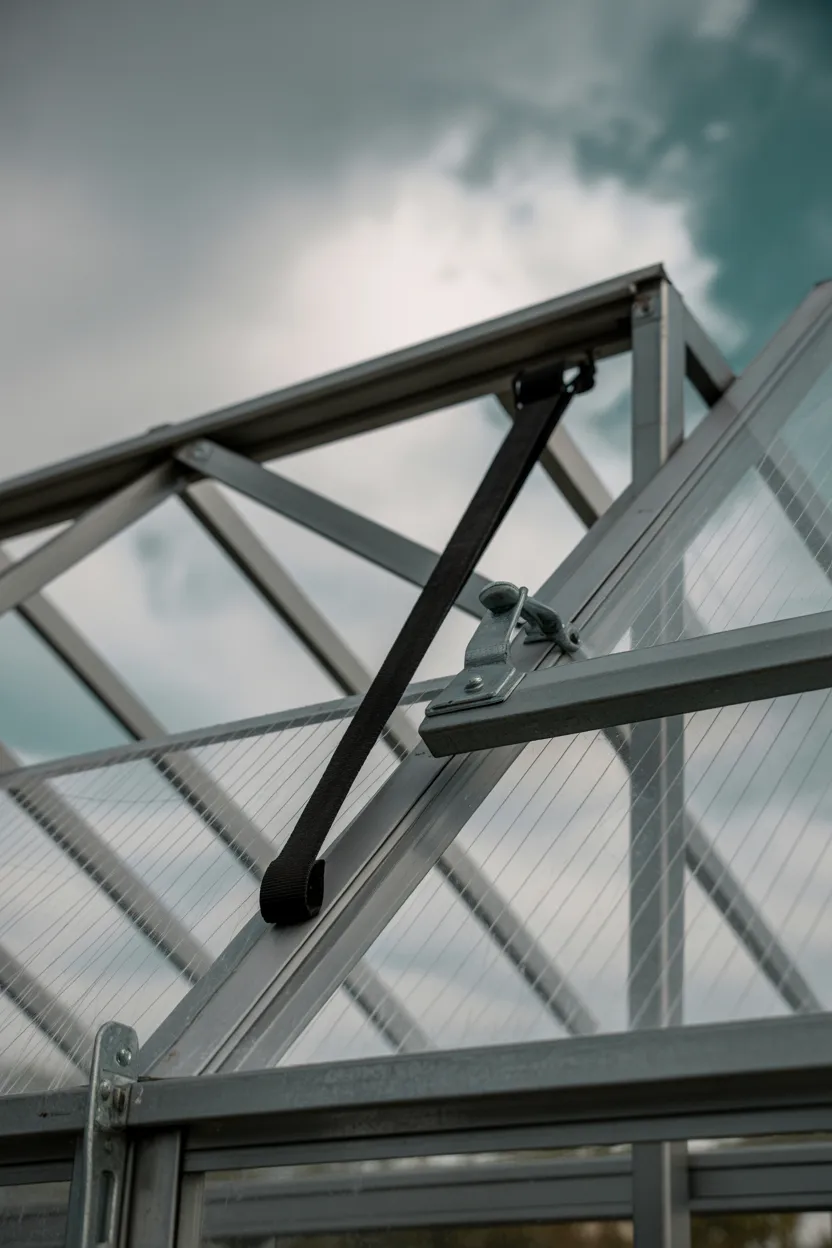
For areas prone to storms or cyclones, additional reinforcements may be necessary.
Reinforcement Additions:
- Hurricane straps
- Heavy-duty brackets
- Additional roof supports
- Extra anchor bolts
These reinforcements distribute wind force more evenly across the structure.
14. Don’t Ignore Local Building Codes
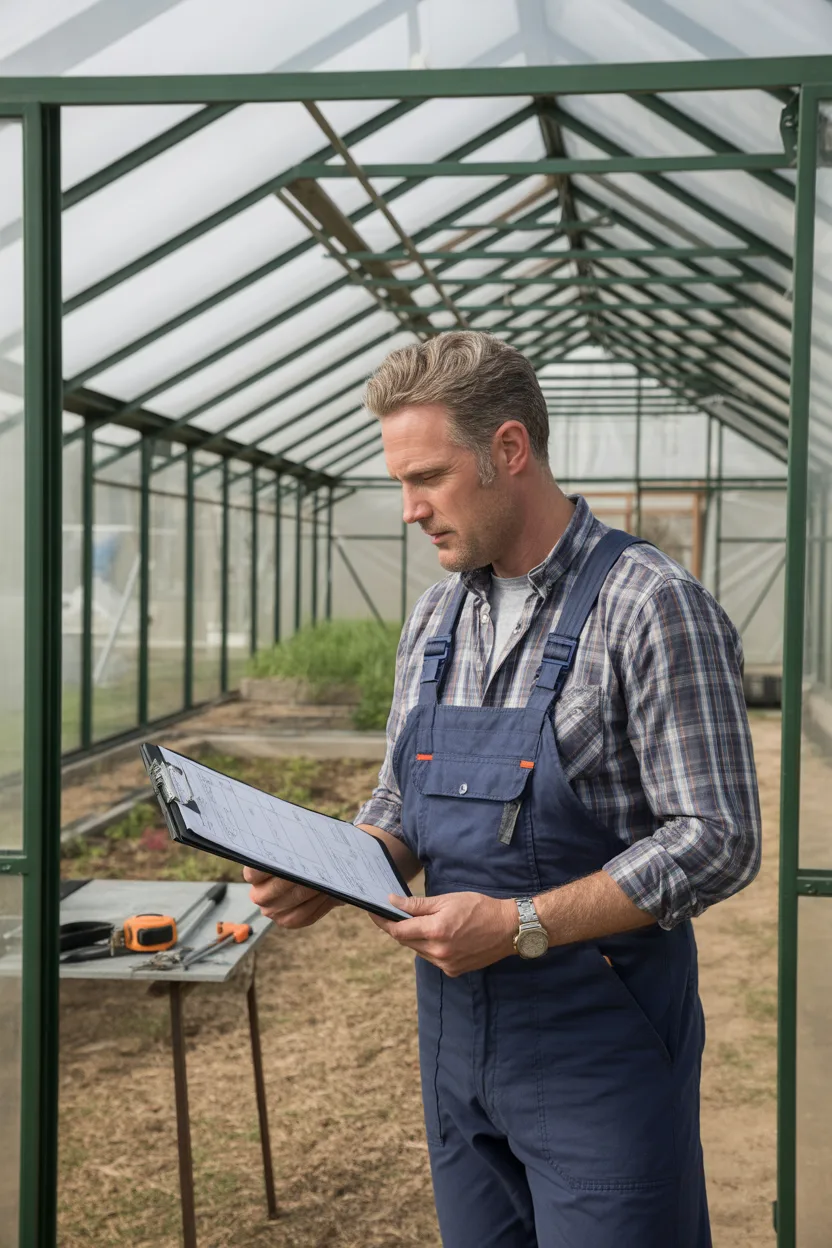
Before construction, check local regulations regarding:
- Required wind load ratings
- Permit requirements
- Structural guidelines
Following official guidelines ensures your greenhouse meets minimum safety standards for wind resistance.
Final Thoughts on Tips To Build A Wind-Resistant Greenhouse
Constructing a greenhouse that can withstand strong winds requires thoughtful planning, high-quality materials, and proper installation techniques. From selecting a sheltered location to reinforcing doors and installing cross bracing, each step plays a critical role in overall durability.
By applying these Tips To Build A Wind-Resistant Greenhouse, you not only protect your investment but also ensure a safe and stable growing environment for your plants throughout the year. Wind damage can be costly and discouraging, but with the right precautions, your greenhouse can remain secure even during severe weather conditions.
A well-built, wind-resistant greenhouse is more than just a structure — it’s a long-term gardening asset that provides protection, productivity, and peace of mind. Start with a strong foundation, invest in quality materials, and never underestimate the power of proper anchoring. Your plants — and your wallet — will thank you.