Transform Your Outdoor Space with These 7 Creative Lawn Edging Ideas
A neat, well-defined lawn edge can instantly elevate the look of your garden. Whether you want to create a modern, rustic, or natural landscape, lawn edging gives your yard a polished finish. It helps define spaces, control grass spread, and highlight your flower beds or pathways beautifully.

In this post, we’ll explore 7 creative lawn edging ideas that suit different garden styles and budgets — from natural stone borders to contemporary steel lines.
1. Classic Stone Edging for Timeless Appeal
If you love the charm of old-world gardens, stone edging is a perfect choice. Natural stones — like slate, granite, or limestone — bring texture and elegance to your landscape. The irregular shapes give a rustic feel, while uniform stones create a clean, structured border.

To make the most of this style, choose stones that complement your home’s exterior or existing garden elements. You can lay them dry for a casual look or secure them with mortar for durability.
👉 Tip: Pair stone edging with lush garden beds or vibrant backyard garden ideas for an organic, cohesive look.
2. Brick Lawn Edging for a Structured Look
Brick edging is both functional and decorative. It’s a great way to define flower beds, walkways, or vegetable plots while keeping grass in check. The warm tones of brick add charm and contrast beautifully with green lawns and colorful blooms.

You can lay bricks in different patterns — like diagonal, soldier, or herringbone — depending on the style you want. For a more formal garden, go with straight lines; for a casual look, try curved edges.
🔗 For more garden structure inspiration, explore these landscape design ideas.
3. Metal Lawn Edging for a Modern Finish
If your garden leans toward a sleek, minimalist style, metal edging offers a crisp and durable solution. Materials like steel, aluminum, or corten steel create clean, sharp lines that look fantastic in contemporary landscapes.

Metal edging is flexible enough to form both straight and curved borders, making it ideal for pathways, lawns, or flower beds. It’s also long-lasting and low-maintenance — a win for homeowners who prefer practicality with style.
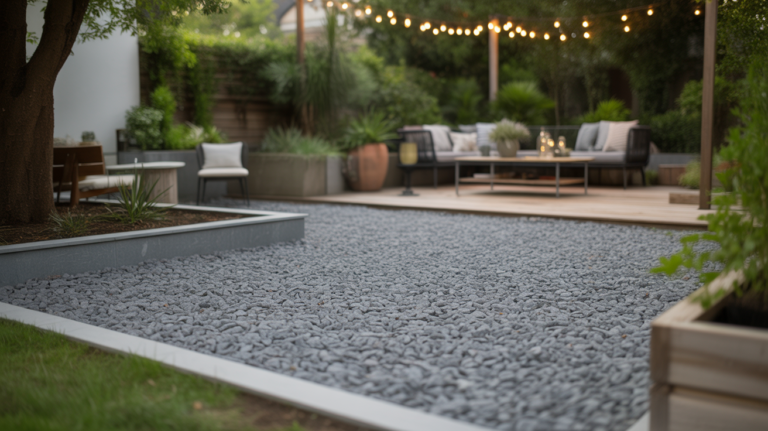
🌱 Pair it with gravel paths or gardening ideas for the front of your house to make your entrance truly stand out.
4. Wooden Lawn Edging for Natural Warmth
Wooden borders add a cozy, organic touch to your garden. They work beautifully in cottage-style, rustic, or naturalistic landscapes. You can use timber logs, planks, or sleepers to edge your lawn and give it definition.

Cedar, redwood, or pressure-treated pine are great choices because they resist decay and insects. For added charm, stagger the heights of the wooden pieces or stain them for contrast.
🌾 Combine wooden edging with raised vegetable beds — check out these vegetable garden design ideas for inspiration.
5. Recycled or DIY Lawn Edging Ideas
For those who love a creative project, repurposed materials make excellent edging options. Think of upcycling old wine bottles, terracotta tiles, or concrete blocks into unique lawn borders. Not only does this approach save money, but it’s also eco-friendly and full of personality.

Arrange the materials in patterns or colors that reflect your style. For instance, glass bottles can create a colorful border that catches sunlight, while concrete blocks give a bold industrial vibe.
If you enjoy sustainable gardening, consider adding a pollinator garden next to your DIY edging to attract bees and butterflies naturally. 🐝
6. Living Lawn Edging with Plants and Groundcovers
Plant-based edging softens hard lines and blends your lawn with surrounding greenery. You can use low-growing plants like lavender, creeping thyme, or mondo grass to create a natural border that doubles as a decorative feature.

Living edging works especially well in cottage or eco-friendly gardens. It’s easy to maintain and adds fragrance, color, and texture to your outdoor space.
🌼 For lush design inspiration, explore our guide to creating a gardening aesthetic that feels fresh and inviting.
7. Concrete and Paver Lawn Edging for a Clean Finish
If you want precision and long-lasting results, concrete or paver edging is a great option. It creates crisp lines and holds mulch or gravel firmly in place. Concrete curbing can be molded into custom shapes or colored to match your outdoor décor.

Pavers, on the other hand, offer flexibility — you can create geometric, curved, or layered designs. They’re ideal for driveways, patios, or modern lawns that need clear separation between zones.
💡 Combine paver edging with landscape design inspiration to achieve a professional-grade finish right at home.
🌷 Why Lawn Edging Matters
A well-edged lawn isn’t just about aesthetics — it’s about functionality and maintenance. Proper lawn edging helps:
- Prevent grass from spreading into garden beds
- Keep mulch and soil in place
- Define garden spaces clearly
- Reduce mowing time by creating smooth lines
- Add resale value through enhanced curb appeal
If you’re planning to upgrade your outdoor space, edging is one of the easiest ways to achieve a polished, intentional look without major landscaping work.
For more outdoor styling tips, you can also browse backyard gardening inspiration to combine your edging with creative planting ideas.
🌼 How to Choose the Right Lawn Edging Material
Selecting the right material depends on your garden’s style, budget, and maintenance needs. Here’s a quick breakdown:
| Material | Best For | Maintenance | Style |
|---|---|---|---|
| Stone | Rustic, natural gardens | Low | Classic |
| Brick | Traditional, structured | Moderate | Warm & timeless |
| Metal | Modern, minimalistic | Low | Sleek & durable |
| Wood | Cottage or rustic | Medium | Natural & cozy |
| Concrete/Pavers | Contemporary, defined | Low | Clean & polished |
| Living plants | Eco-friendly gardens | Moderate | Soft & organic |
| Recycled materials | DIY, creative spaces | Varies | Artistic & unique |
💬 Pro Tip: Combine two materials — like wood and stone — to add contrast and visual depth to your garden layout.
🌿 Simple DIY Steps to Install Lawn Edging
Installing your own edging is easier than you think! Here’s a quick guide:
- Plan Your Design — Outline your lawn shape using a rope or garden hose.
- Dig the Trench — Use an edging spade to create a trench about 4–6 inches deep.
- Lay the Material — Place your chosen edging material snugly into the trench.
- Level & Secure — Adjust for height and secure with stakes, mortar, or soil.
- Backfill & Finish — Fill in the gaps and tamp the soil for a clean, solid edge.
For larger projects like creating pathways or terraces, you might find our landscape design ideas guide helpful for planning the overall layout.
🌱 Lawn Edging Ideas for Seasonal Makeovers
Lawn edging isn’t just a one-time project — you can refresh it seasonally to match your garden décor.
- Spring: Try plant-based edging with bright blooms.
- Summer: Go for durable materials like metal or brick to handle the heat.
- Autumn: Add warm wooden tones or rustic stone borders.
- Winter: Keep your edges clean and decorate them with lights — perfect if you’re setting up outdoor Christmas planters or festive décor.
🌻 Final Thoughts
A beautifully edged lawn adds definition, charm, and a sense of completion to any outdoor space. From rustic stone and eco-friendly wood to creative DIY borders, these 7 lawn edging ideas can transform even the simplest yard into a work of art.
Whether you’re enhancing your front garden or creating a cozy backyard retreat, the right edging ties everything together. For more inspiration, explore our full collection of landscape design ideas and backyard gardening guides.