10 Vegetable Garden Design Ideas for a Productive and Beautiful Backyard

Designing a vegetable garden isn’t just about planting seeds and waiting for them to grow. A thoughtful vegetable garden design can make your outdoor space both functional and beautiful while ensuring a high yield of fresh, homegrown produce. Whether you have a sprawling yard, a small backyard, or just a patio, the right design will help you maximize your space and make gardening enjoyable.
In this post, we’ll explore ten different vegetable garden designs that you can use for inspiration, ranging from traditional raised beds to more creative layouts like keyhole gardens and vertical setups.
1. Raised Bed Vegetable Garden Design

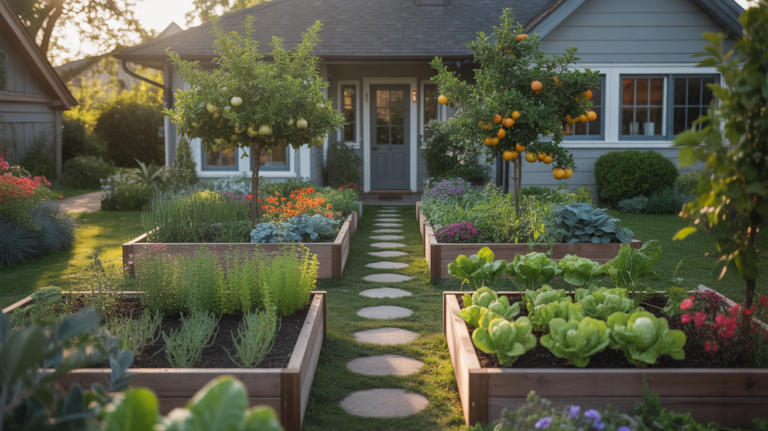
Raised beds are one of the most practical and popular garden setups. By creating raised boxes filled with soil, you gain better control over drainage, soil quality, and pest management.
This vegetable garden design is perfect for gardeners who want tidy, organized plots that are easy to manage. Raised beds reduce soil compaction, minimize weeds, and allow you to plant earlier in the season since the soil warms up more quickly. You can also design them in neat rows or geometric patterns, making your garden space visually appealing.
2. Square Foot Gardening

Square foot gardening is ideal for beginners or anyone working with a small space. The concept involves dividing your bed into one-foot squares, with each square planted with a different crop.
This efficient vegetable garden design ensures you use every inch of space without overcrowding plants. It simplifies planting, reduces maintenance, and produces surprisingly high yields from compact areas. For people living in urban settings or those who want a highly organized garden, this is an excellent approach.
3. Vertical Vegetable Garden Design

Not everyone has the luxury of wide open spaces, which is where vertical gardening comes in. By using trellises, hanging baskets, or wall planters, you can grow vegetables upwards rather than outwards.
This vegetable garden design is great for climbing crops such as beans, peas, and cucumbers. It also doubles as a decorative feature since lush greenery growing vertically can transform fences or walls into vibrant living walls. Plus, harvesting is much easier when vegetables are elevated and visible.
4. Companion Planting Layout

Companion planting is a smart design approach where vegetables are planted together based on their compatibility. For example, tomatoes thrive alongside basil, and corn pairs well with beans and squash.
This vegetable garden design improves crop health, naturally repels pests, and even enhances flavors. By planning your layout around beneficial plant relationships, you not only create a healthier garden ecosystem but also make the garden visually diverse and interesting.
5. Cottage-Style Vegetable Garden

For gardeners who prefer a more relaxed, rustic look, a cottage-style layout is the perfect choice. Instead of straight rows, vegetables are planted alongside herbs and flowers in a free-flowing, natural arrangement.
This type of vegetable garden design adds charm and color while also supporting pollinators like bees and butterflies. The mix of blooms and edibles creates a picturesque, storybook-like garden that feels less structured but still highly productive.
6. Raised Planters on Patios or Decks

Urban gardeners or those with limited backyard space can still enjoy fresh produce with raised planters. These portable containers can be placed on patios, decks, or balconies.
This vegetable garden design works especially well for smaller crops like lettuces, peppers, herbs, and compact tomato varieties. The mobility of planters means you can shift them to follow the sun, ensuring your plants always get the light they need. It’s an easy, accessible solution for apartment dwellers or beginners.
7. Keyhole Garden Design

A keyhole garden is a circular raised bed with a cutout pathway that resembles a keyhole from above. At the center is a composting basket, which provides nutrients and moisture to the soil as organic matter breaks down.
This vegetable garden design originated in Africa and is highly efficient, especially in arid regions. It conserves water, recycles organic waste, and provides a unique focal point in your garden. With its combination of functionality and beauty, the keyhole garden is perfect for sustainable gardening enthusiasts.
8. Container Vegetable Garden

For those working with very small spaces like patios, balconies, or windowsills, container gardening is a lifesaver. Vegetables can be grown in pots, tubs, or repurposed containers, giving you flexibility in where and how you grow them.
This vegetable garden design allows you to experiment with creative arrangements. Brightly painted pots or matching planters can add color and style to your outdoor space while producing fresh vegetables just steps away from your kitchen.
9. Permaculture-Inspired Layout

A permaculture garden is designed to work in harmony with nature. It typically includes perennial vegetables, companion planting, rainwater collection, and composting.
This vegetable garden design emphasizes sustainability and long-term productivity rather than short-term harvests. The layout often appears less structured than traditional gardens but is highly effective at creating a self-sustaining ecosystem. For eco-conscious gardeners, this approach is both rewarding and environmentally friendly.
10. Formal Garden with Symmetry

If you prefer structure and elegance, a formal garden layout might be the best option. This design uses straight lines, geometric patterns, and symmetrical beds separated by pathways.
This vegetable garden design blends practicality with style, giving your outdoor space the feel of a landscaped ornamental garden while still producing food. Gravel walkways, decorative edging, and well-defined borders can transform an ordinary vegetable patch into a sophisticated focal point.
🌿 Final Thoughts
A vegetable garden can be far more than just rows of plants—it can be an extension of your lifestyle and personal taste. With these 10 vegetable garden design ideas, you can create a space that is productive, sustainable, and beautiful.
Whether you prefer the structure of raised beds, the charm of a cottage garden, or the efficiency of a keyhole design, the key is to choose a layout that suits your space and gardening style. With the right planning, your garden can provide fresh food, a place to relax, and a touch of natural beauty to your home.