
13 Pea Gravel Colors And Sizes Explained Simply
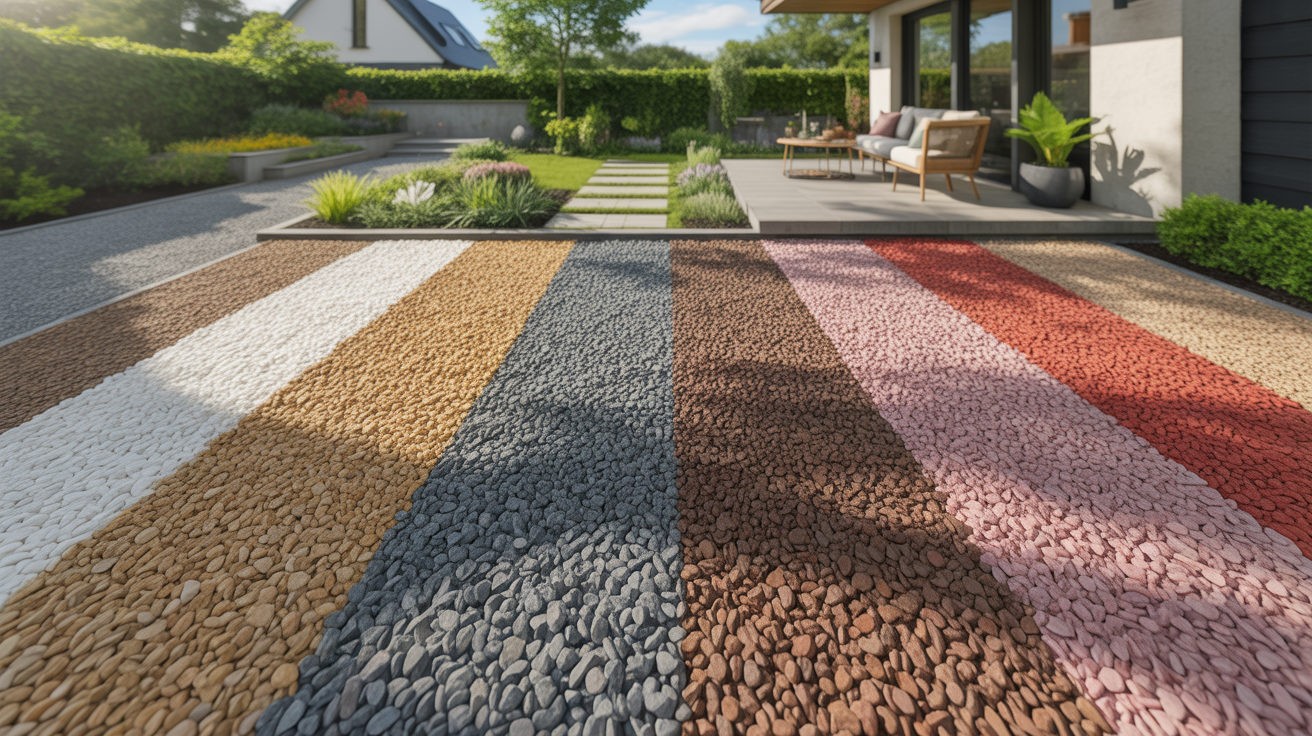
Pea gravel is one of those landscaping materials that looks simple at first glance but opens up a surprising number of design choices once you start planning a project. From garden paths and patios to driveways and drainage solutions, pea gravel has earned its place as a go-to option for homeowners and DIY landscapers alike.
What often confuses people, though, are pea gravel colors and pea gravel sizes. Walk into a landscape supply yard or browse online, and suddenly you’re faced with dozens of shades, blends, and size labels that don’t always feel intuitive. Add in regional differences and lighting conditions, and choosing the right gravel can feel overwhelming.
This guide breaks everything down in plain language. We’ll explore the most common pea gravel color options, explain size variations in simple terms, and help you match the right gravel to your specific project. By the end, you’ll know exactly what to buy — and why.
What Is Pea Gravel?
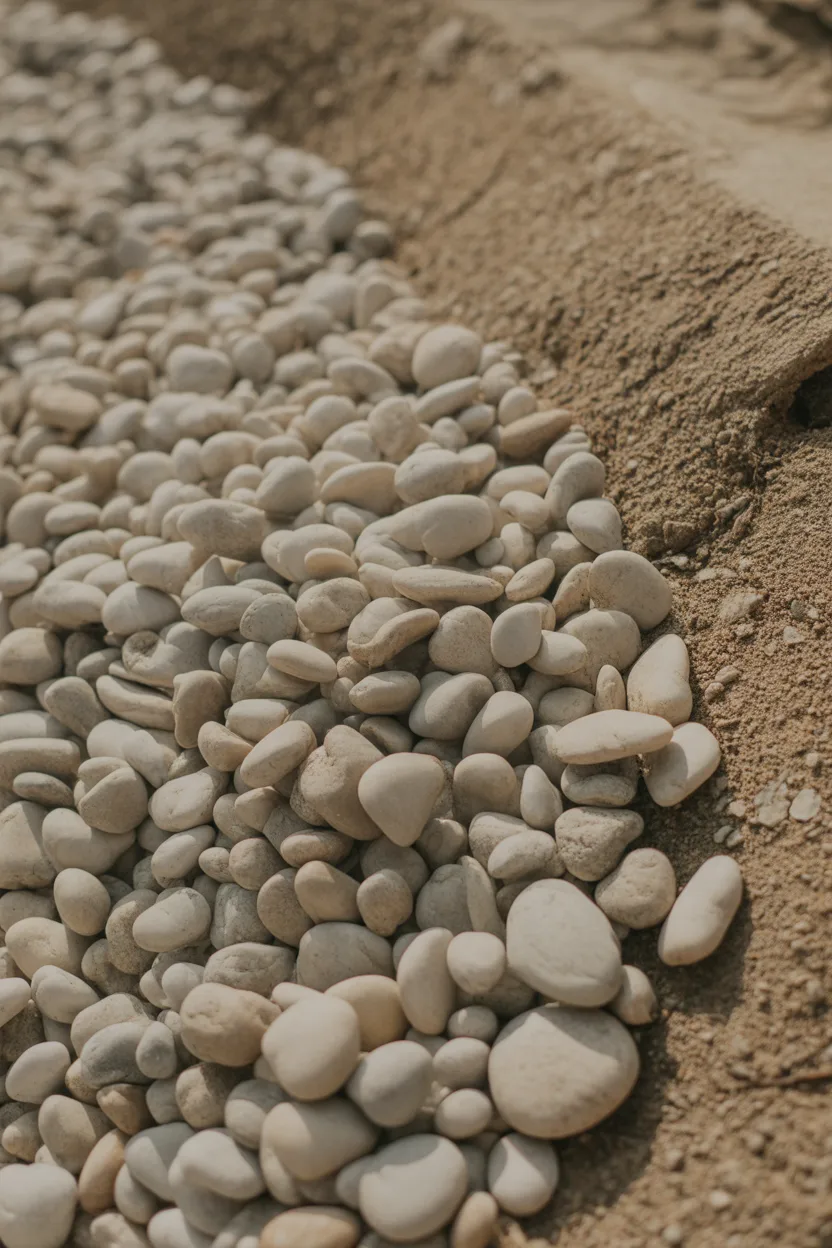
Pea gravel is a type of small, rounded stone typically made from river rock. The stones are naturally tumbled by water, which gives them their smooth, soft edges. This rounded shape is what makes pea gravel comfortable underfoot and visually pleasing in landscapes.
Unlike crushed stone, which has sharp edges and a more industrial look, pea gravel feels relaxed and organic. It works just as well in modern designs as it does in cottage gardens.
Pea gravel is commonly used for:
- Garden paths and walkways
- Patios and seating areas
- Driveways and parking spaces
- Drainage systems
- Decorative ground cover around plants
Understanding its colors and sizes helps ensure it performs well and looks intentional in your space.
Why Pea Gravel Colors And Sizes Matter
Choosing pea gravel isn’t just about picking what looks nice in a sample bag. Both color and size directly affect how the gravel functions and how it changes the feel of your outdoor area.
Color influences:
- How much heat the gravel absorbs
- How clean or dusty it appears over time
- How well it blends with plants, buildings, and hardscapes
Size affects:
- Comfort when walking
- Stability under furniture or vehicles
- Drainage performance
The right combination of color and size can make a project feel polished instead of accidental.
Understanding Pea Gravel Sizes Simply

Before diving into specific colors, it’s important to understand how sizing works.
Typical Pea Gravel Size Range
Most pea gravel falls between 1/8 inch and 3/8 inch in diameter. That’s roughly the size of a pea, which is where the name comes from.
You’ll often see sizes labeled as:
- 1/8 inch
- 1/4 inch
- 3/8 inch
Some suppliers also use terms like “small,” “standard,” or “large,” which can vary slightly by region.
Small Pea Gravel (1/8 Inch)
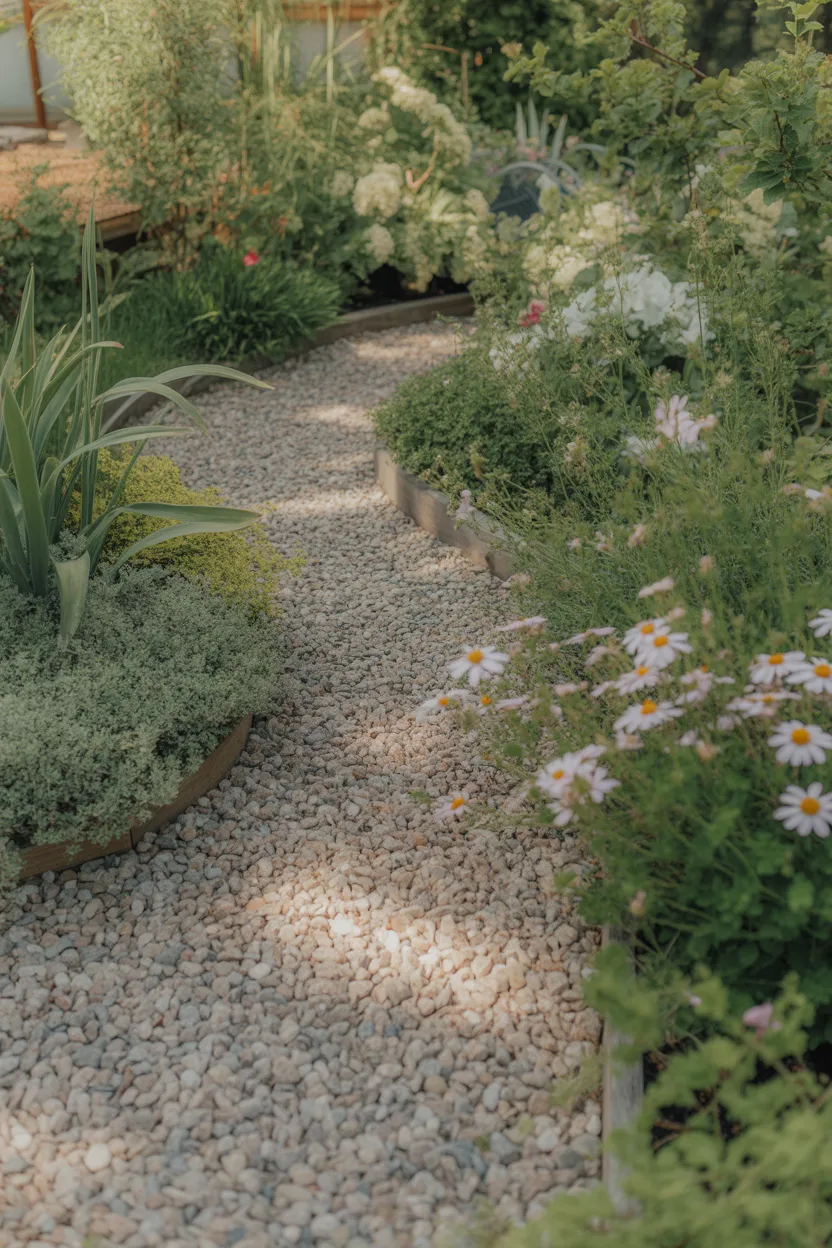
Smaller gravel pieces create a smoother surface and are less likely to shift underfoot. They’re ideal for:
- Walkways
- Children’s play areas
- Decorative garden beds
However, smaller stones can migrate more easily and may need edging to stay in place.
Medium Pea Gravel (1/4 Inch)
This is the most common and versatile option. Medium pea gravel balances comfort and stability, making it suitable for:
- Patios
- Seating areas
- Fire pit zones
If you’re unsure which size to choose, this is usually the safest option.
Large Pea Gravel (3/8 Inch)
Larger pea gravel pieces offer better drainage and stability, especially for heavier use. They’re often used for:
- Driveways
- Drainage trenches
- Utility areas
They can feel less comfortable under bare feet but perform better structurally.
How Color Changes The Look Of Pea Gravel
Color does more than just add visual interest. Different pea gravel color options interact with sunlight, shadows, and surrounding materials in unique ways.
Light colors brighten spaces and reflect heat, while darker shades add contrast and depth. Mixed blends can hide dirt and wear better than solid colors.
Let’s explore the most popular options in detail.
1. White Pea Gravel
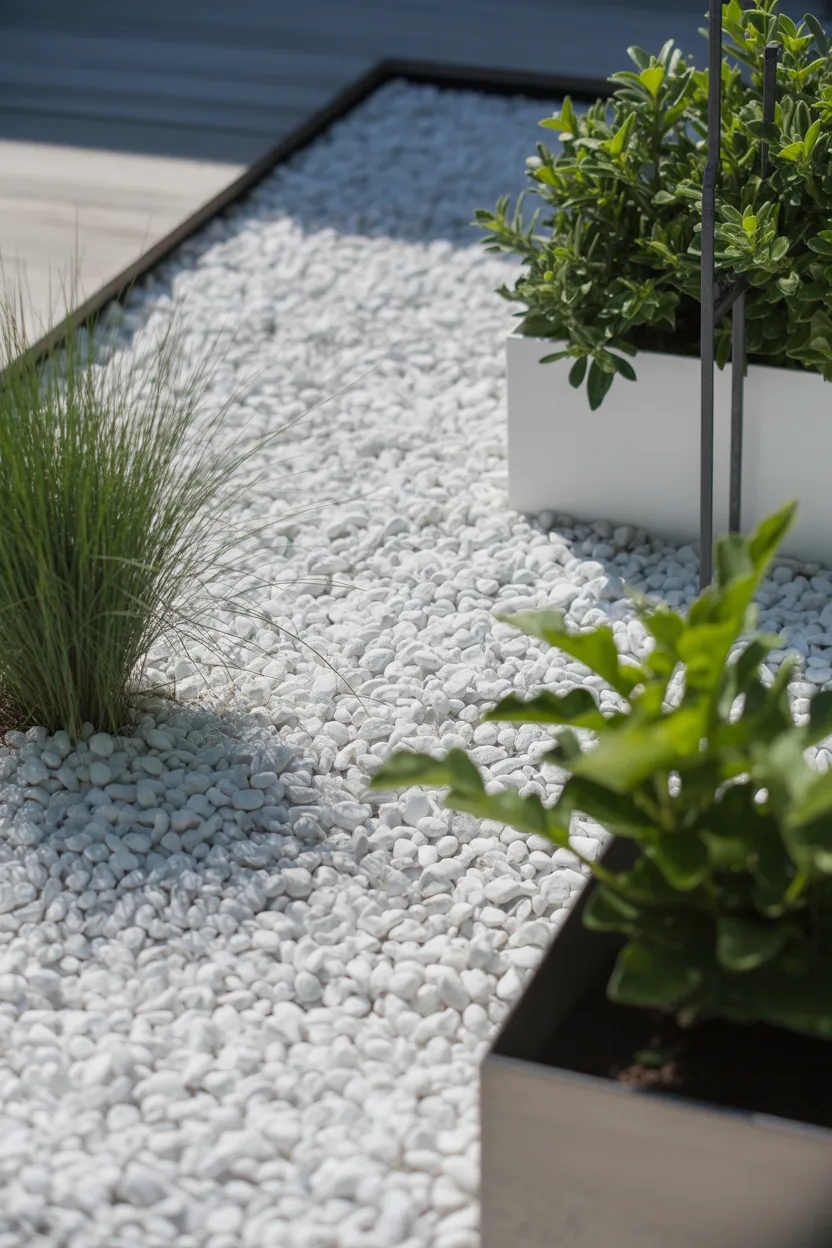
White pea gravel creates a clean, modern look that works especially well in minimalist or Mediterranean-style landscapes.
Best for:
- Modern gardens
- Courtyards
- Accent areas
Pros:
- Brightens shaded spaces
- Reflects sunlight and stays cooler
Cons:
- Shows dirt easily
- Requires more maintenance
White gravel pairs beautifully with dark planters, black metal furniture, and lush greenery.
2. Cream Or Off-White Pea Gravel
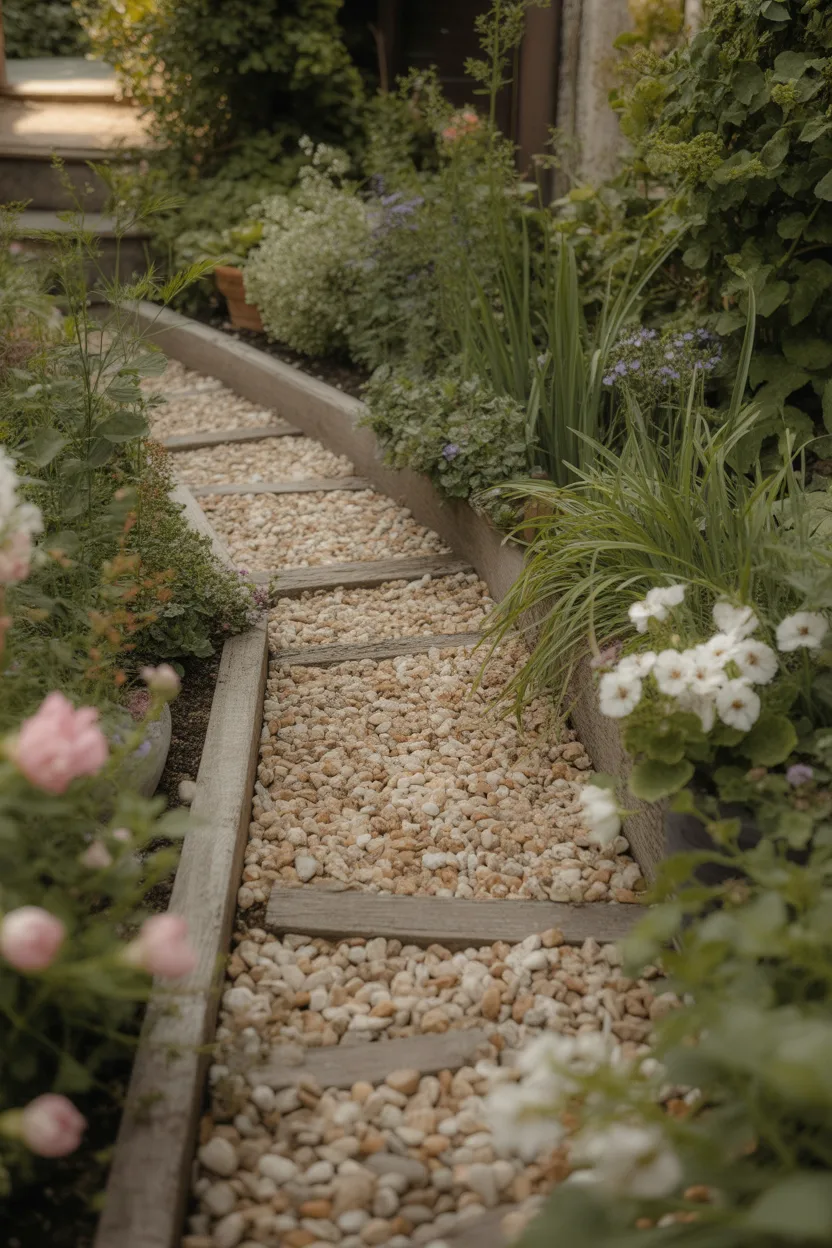
Cream or ivory tones offer a softer alternative to pure white. These pea gravel colors feel warm and natural rather than stark.
Best for:
- Cottage gardens
- Traditional landscapes
They age more gracefully than bright white and are easier to keep looking clean.
3. Beige And Tan Pea Gravel
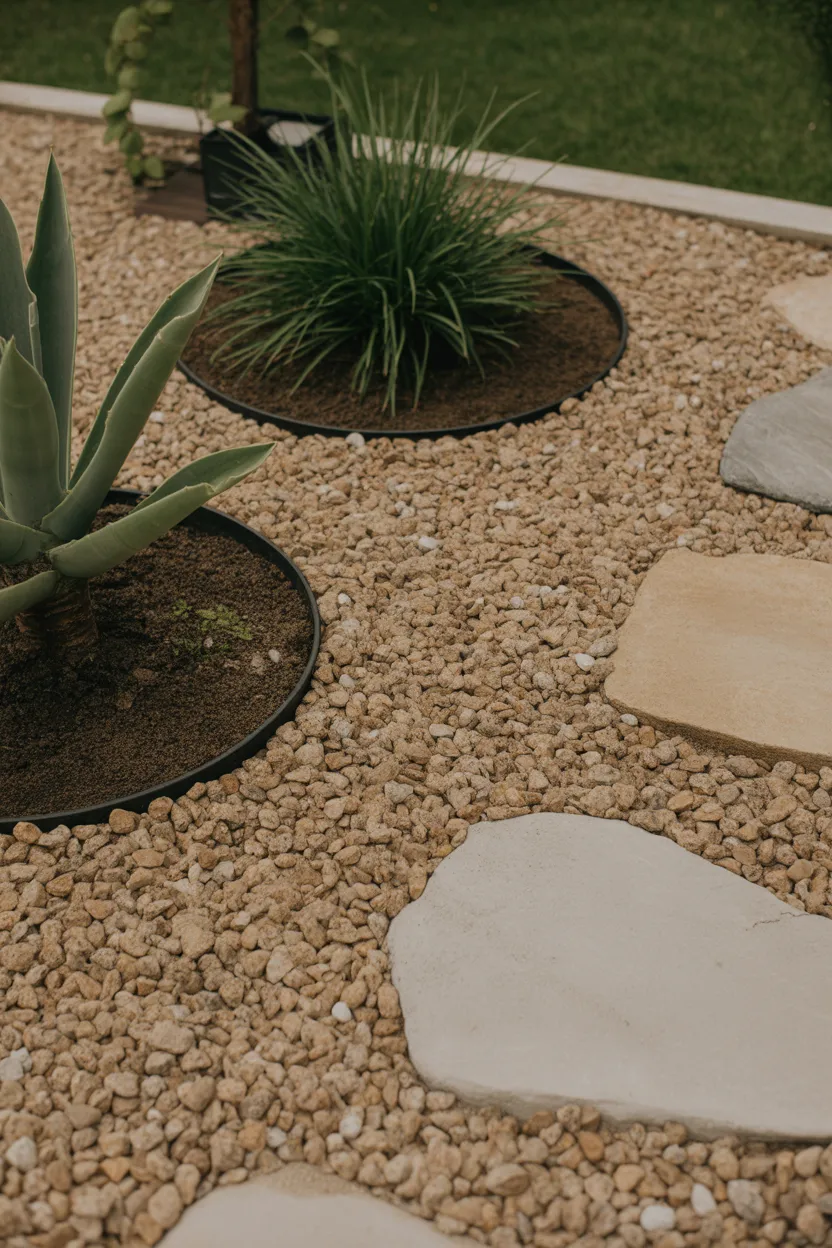
Tan pea gravel blends seamlessly into most outdoor environments. It mimics natural soil tones and works well in nearly any setting.
Best for:
- Paths
- Patios
- Around plants
This is one of the most forgiving pea gravel color options when it comes to dust and debris.
4. Brown Pea Gravel
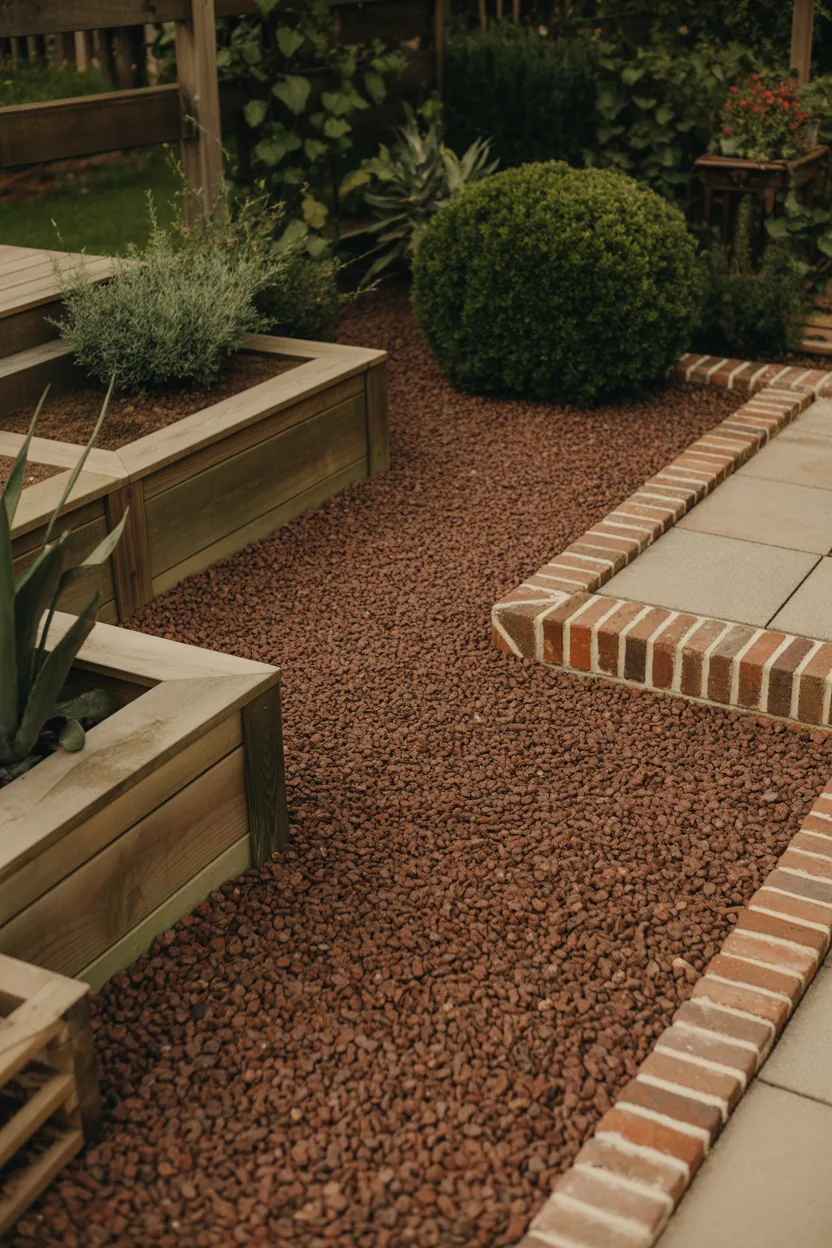
Brown pea gravel adds richness and warmth to landscapes. It pairs especially well with wood, brick, and rustic elements.
Best for:
- Natural gardens
- Woodland designs
Darker browns help mask dirt and wear, making them practical for high-traffic areas.
5. Gray Pea Gravel
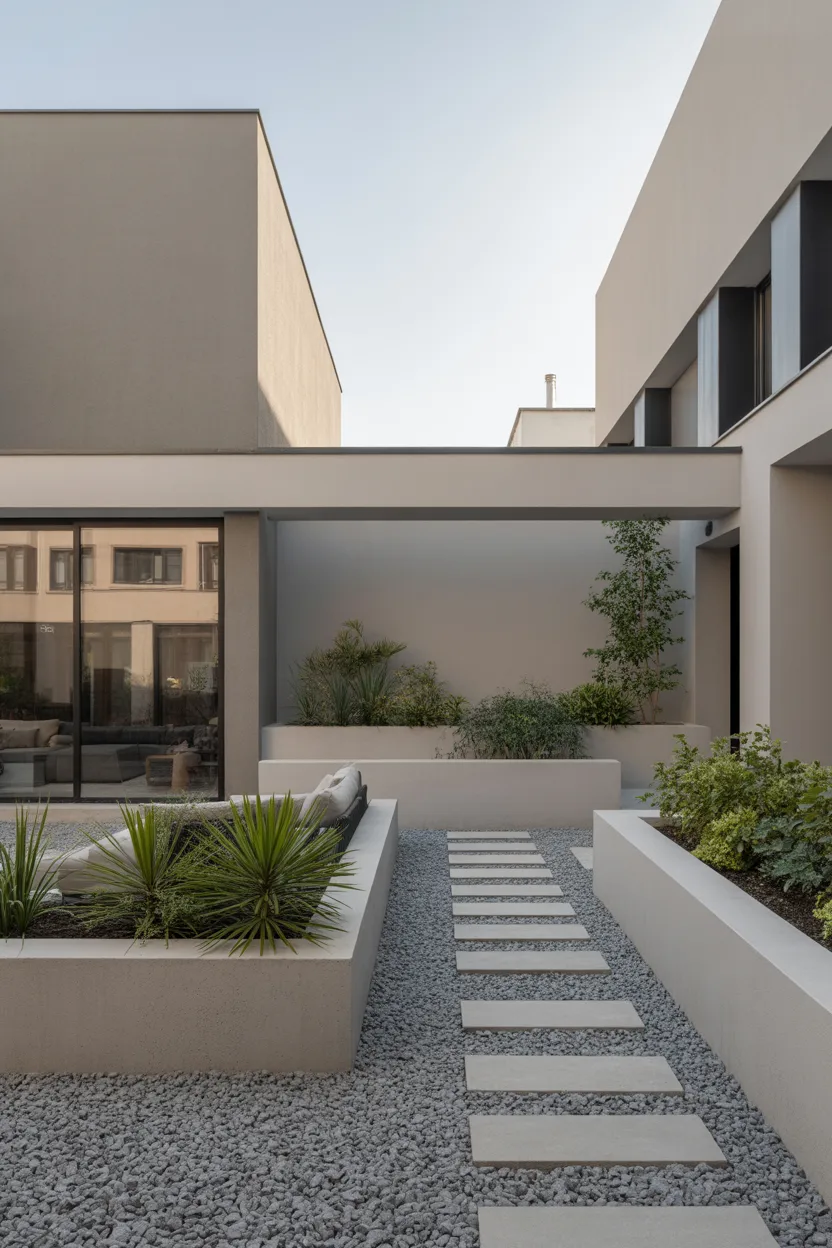
Gray pea gravel is incredibly versatile. It fits modern, industrial, and traditional designs equally well.
Best for:
- Contemporary patios
- Driveways
- Urban gardens
Gray tones highlight greenery and architectural lines without overpowering the space.
6. Charcoal Or Dark Gray Pea Gravel
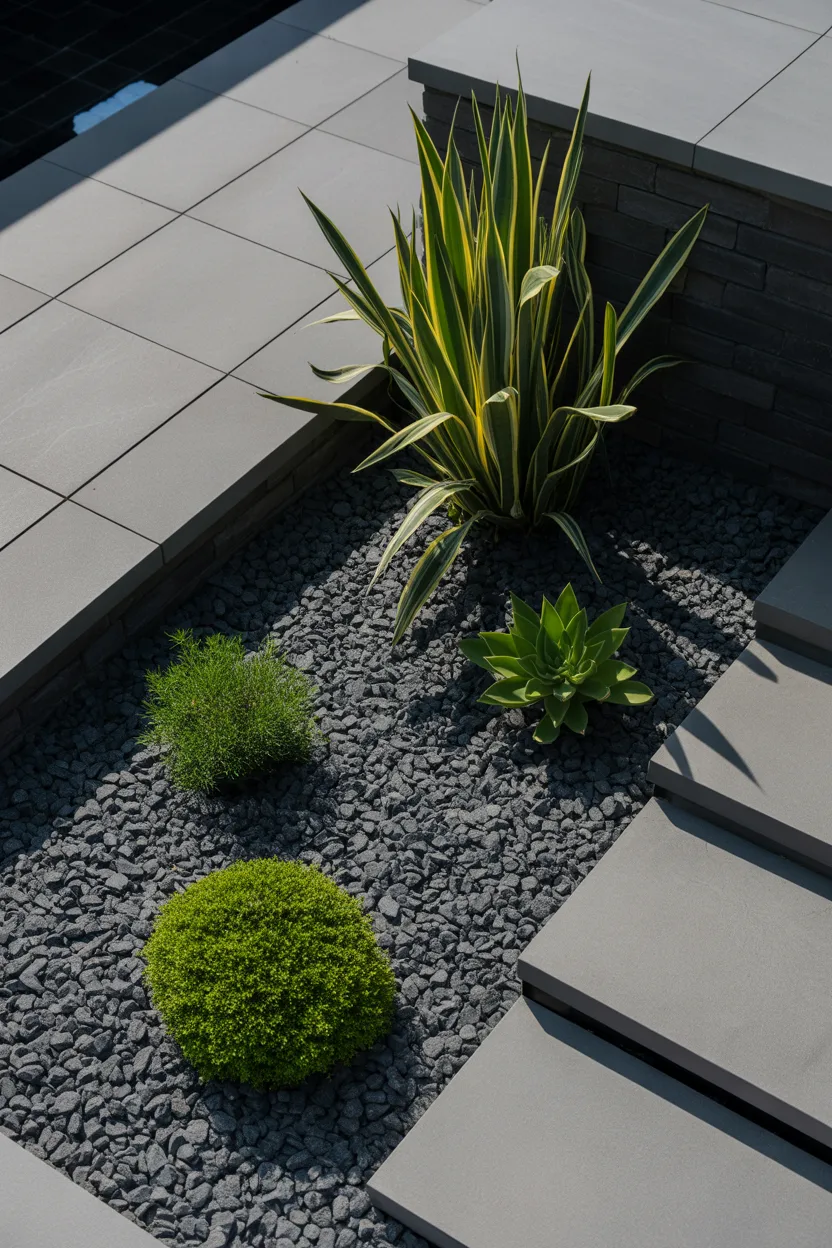
Dark gray or charcoal gravel creates a bold, dramatic effect. It adds contrast and makes lighter plants pop visually.
Best for:
- Modern landscapes
- Feature areas
Be aware that darker colors absorb more heat, which can be uncomfortable in hot climates.
7. Black Pea Gravel
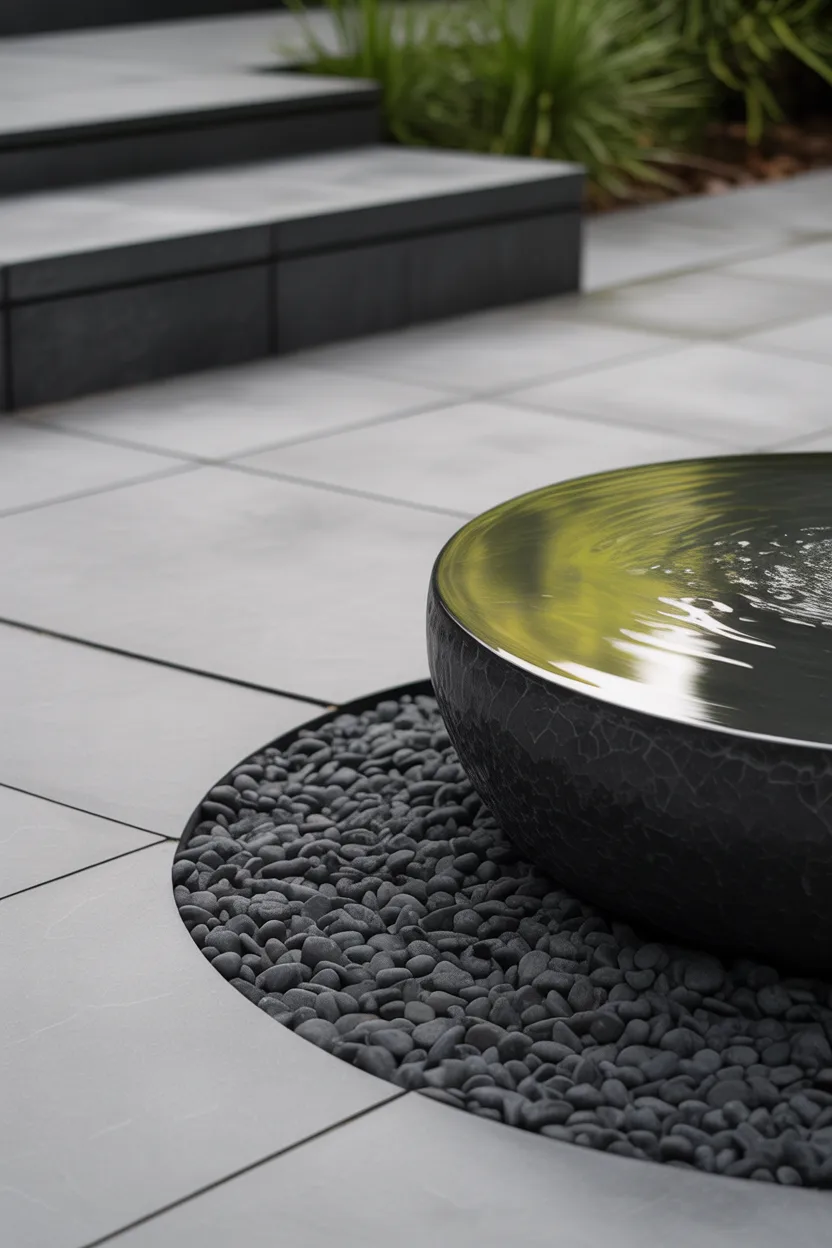
True black pea gravel is less common but very striking. It’s often used sparingly as an accent.
Best for:
- Design highlights
- Water features
It requires thoughtful placement to avoid overheating and fading.
8. Red Pea Gravel
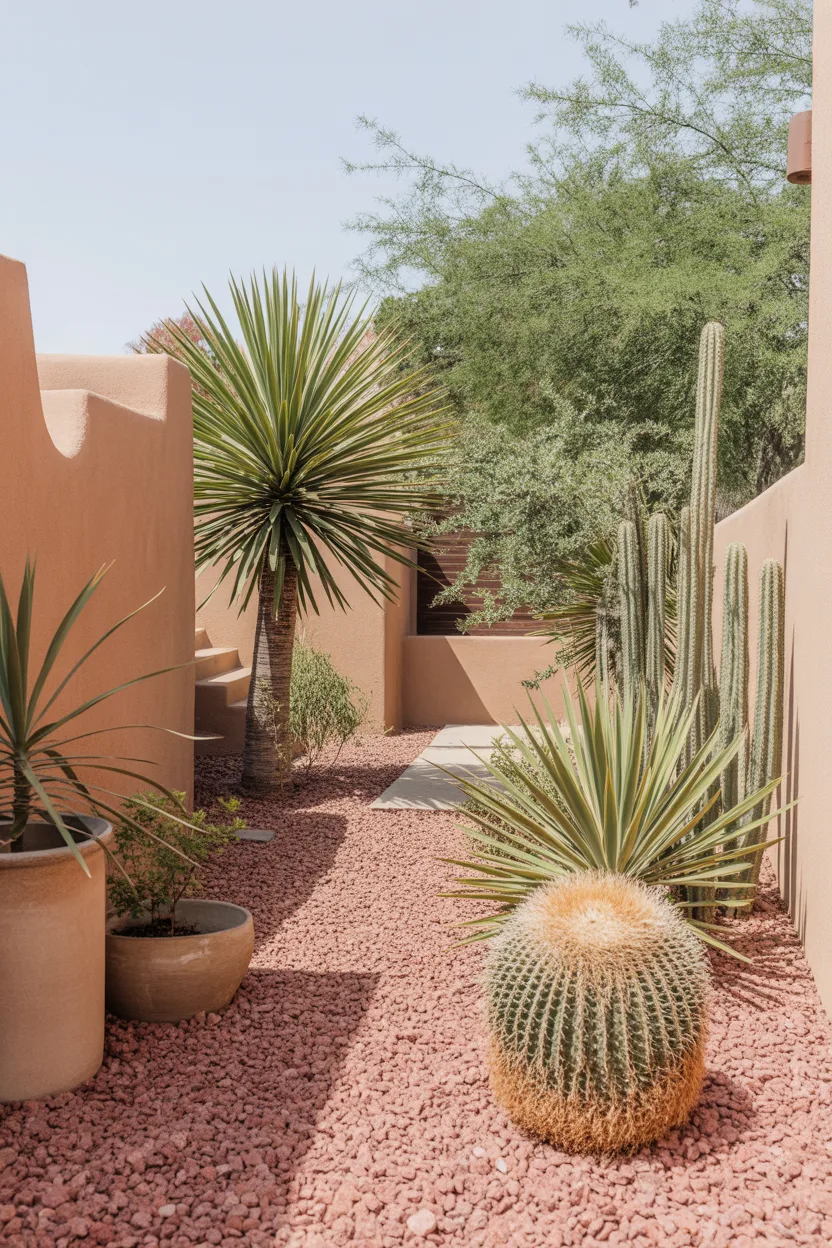
Red pea gravel brings warmth and vibrancy to outdoor spaces. It works beautifully with Southwestern or desert-inspired designs.
Best for:
- Xeriscaping
- Accent borders
Red tones can fade slightly over time, so consider how they’ll age in your climate.
9. Pink Pea Gravel
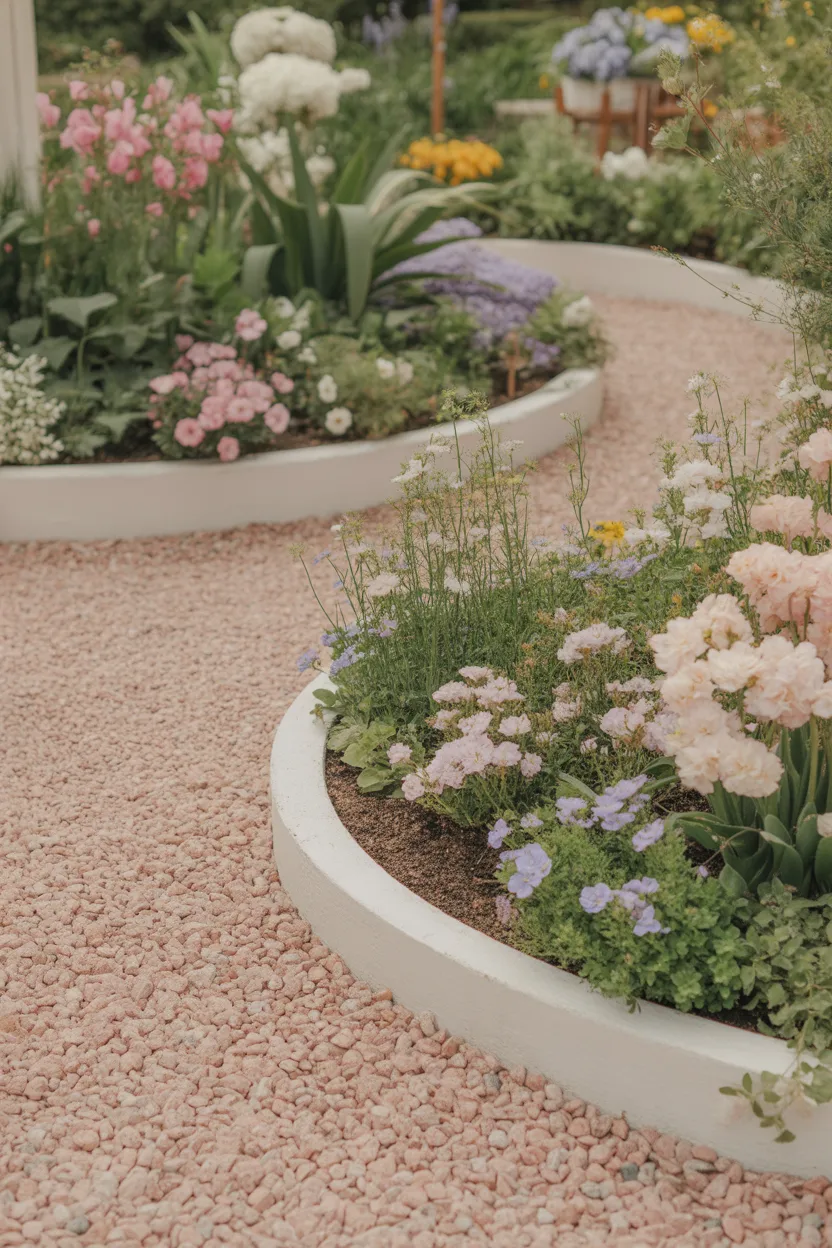
Pink gravel has subtle blush tones that feel soft and charming rather than bold.
Best for:
- Cottage gardens
- Decorative areas
It pairs well with pastel flowers and light stonework.
10. Blue-Gray Pea Gravel
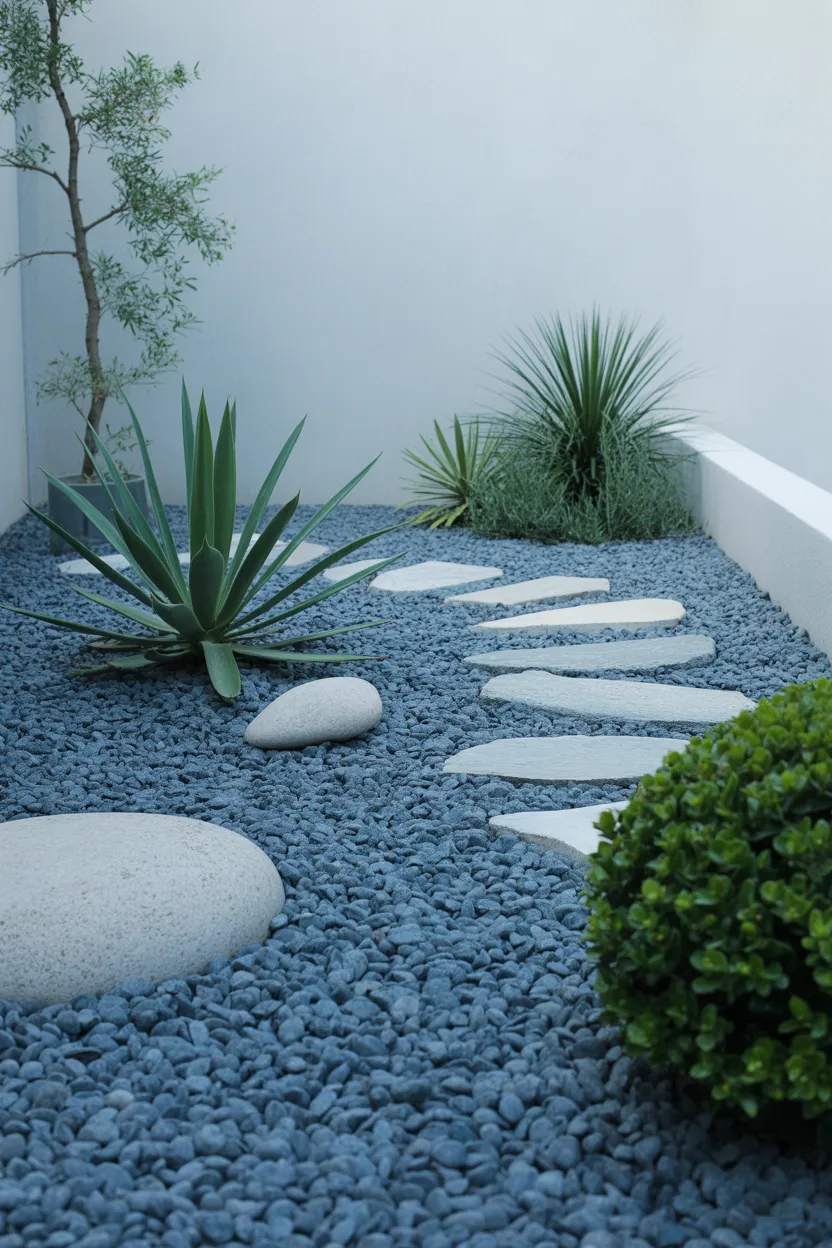
Blue-gray blends feel calm and refined. They’re popular in coastal or contemporary landscapes.
Best for:
- Zen gardens
- Modern patios
These pea gravel color options shift beautifully depending on light and moisture.
11. Mixed Natural Pea Gravel
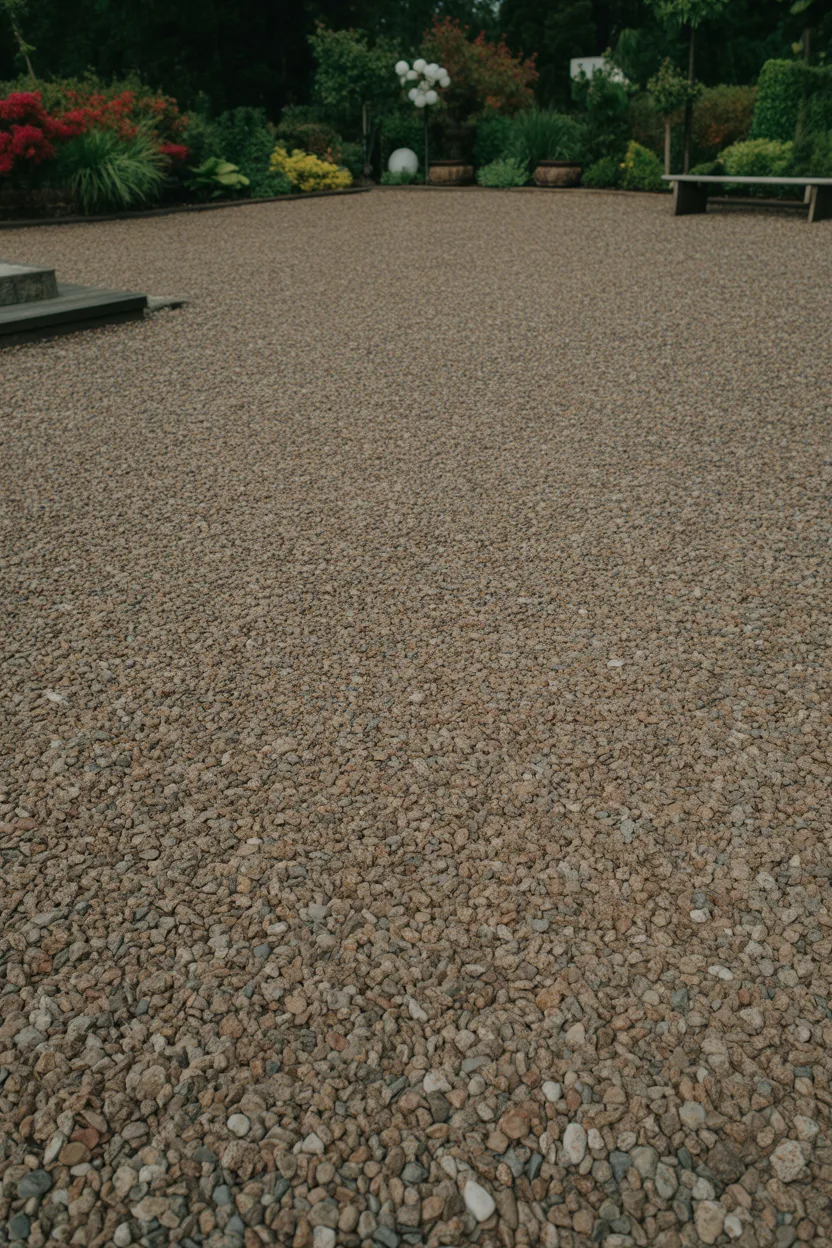
Mixed blends combine several earth tones in one load. This natural variation hides dirt and wear better than solid colors.
Best for:
- Driveways
- Large areas
It’s one of the most practical choices for everyday use.
12. River Blend Pea Gravel
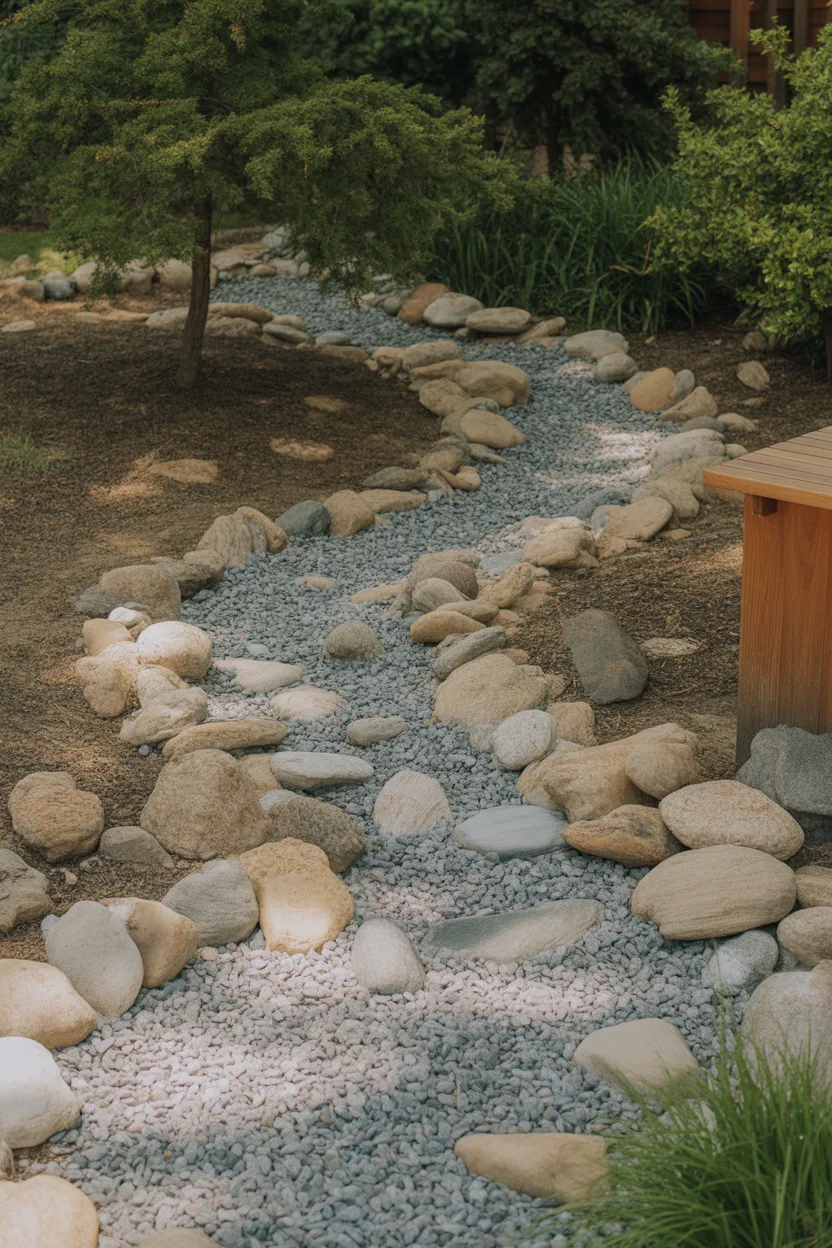
River blends mimic the look of natural stream beds, combining browns, grays, whites, and subtle reds.
Best for:
- Water features
- Natural landscapes
They feel organic and timeless.
13. Custom Regional Blends
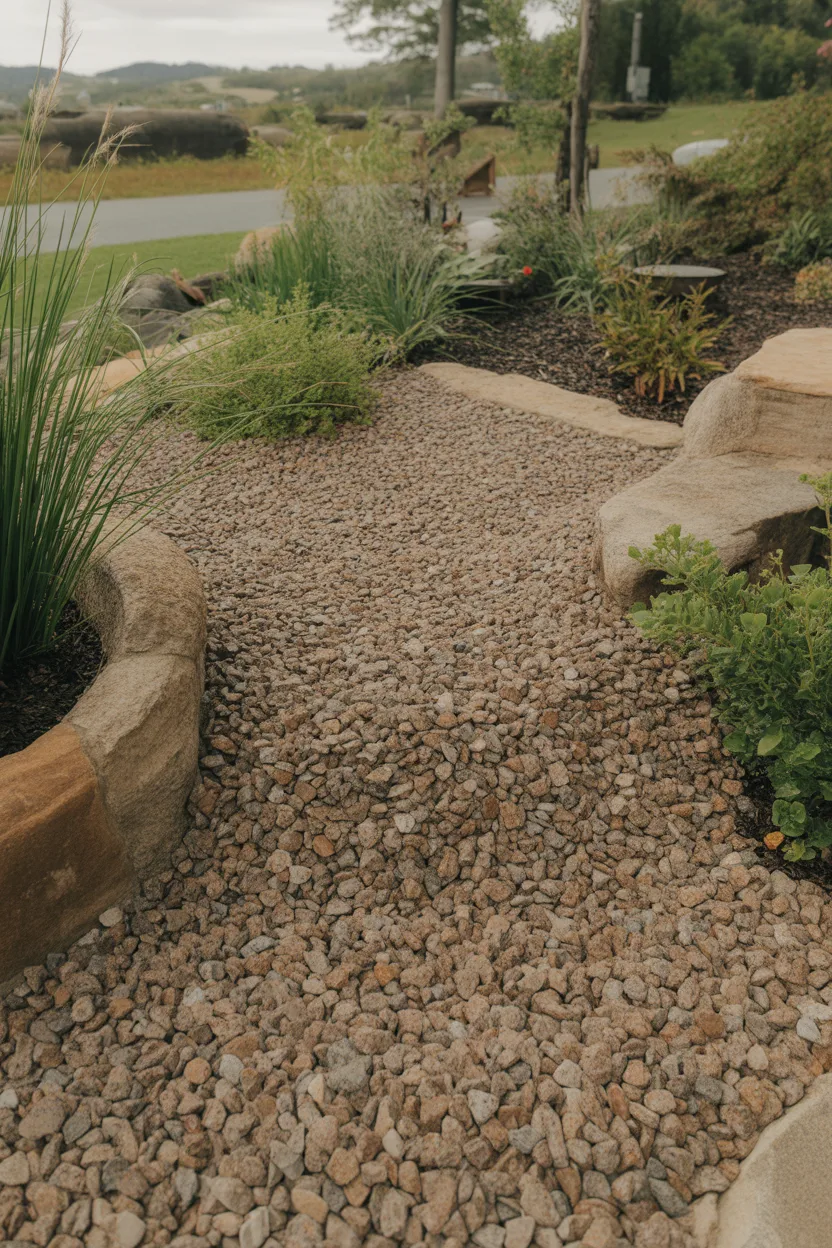
Many suppliers offer region-specific mixes based on local stone. These custom blends often reflect the surrounding environment.
Best for:
- Seamless integration with local landscapes
Ask your supplier what’s unique to your area.
Matching Pea Gravel Sizes To Your Project
Choosing the right pea gravel sizes depends on how the area will be used.
- Walkways: Smaller or medium sizes for comfort
- Patios: Medium sizes for stability under furniture
- Driveways: Larger sizes for drainage and durability
- Garden beds: Smaller sizes for visual softness
Mixing sizes is usually not recommended, as it can lead to uneven surfaces.
How Much Pea Gravel Do You Need?
Depth matters just as much as size and color.
- Walkways: 2–3 inches
- Patios: 3–4 inches
- Driveways: 4–6 inches
Always factor in compaction and order slightly more than calculated.
Maintenance Tips For Any Color Or Size
No matter which pea gravel color options you choose, basic maintenance keeps it looking great:
- Use edging to prevent spreading
- Rake periodically to redistribute stones
- Remove debris before it stains
- Top up every few years
Lighter colors need more frequent cleaning, while mixed blends hide wear better.
Final Thoughts
Pea gravel is simple, affordable, and endlessly adaptable — but choosing the right option makes all the difference. By understanding pea gravel sizes and exploring the full range of pea gravel colors, you can create an outdoor space that looks intentional, performs well, and ages gracefully.
Whether you prefer clean whites, earthy blends, or dramatic dark tones, there’s a pea gravel solution that fits your style and your needs. Take your time, view samples in natural light, and match size and color to how the space will actually be used.
When chosen thoughtfully, pea gravel doesn’t just fill space — it elevates it.