14 Tips to Start Seeds Successfully in a Greenhouse

Starting your own garden from seed can be one of the most rewarding experiences for both beginner and seasoned gardeners. There’s a unique satisfaction in nurturing a tiny seed into a thriving plant. Using a greenhouse for seed starting provides the ideal environment to give your seedlings a healthy start, giving them protection from unpredictable weather, pests, and temperature fluctuations.
In this post, we will explore 14 essential tips for starting seeds in a greenhouse, ensuring your seedlings grow strong, healthy, and ready to be transplanted into your garden.
1. Choose the Right Seeds for Greenhouse Growing
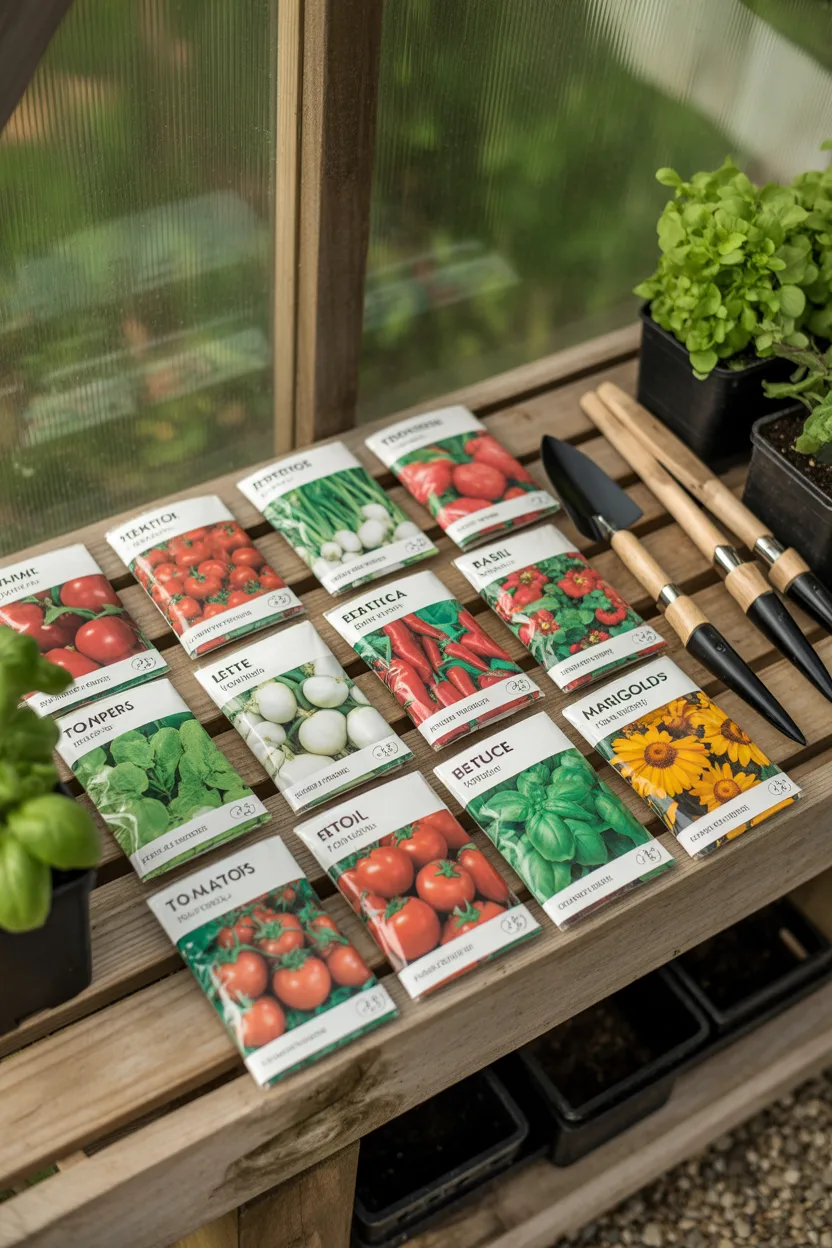
Not all seeds are created equal when it comes to greenhouse cultivation. Some vegetables and flowers thrive in the controlled environment of a greenhouse, while others do better sown directly outdoors.
Consider planting seeds for:
- Tomatoes
- Peppers
- Cucumbers
- Lettuce
- Basil
- Marigolds
- Petunias
Check the seed packet for recommended sowing times and conditions. Starting seeds in a greenhouse can allow you to get a head start on the growing season, particularly in colder climates.
Pro Tip: Opt for high-quality seeds from reputable suppliers to maximize germination rates.
2. Select the Right Greenhouse for Seed Starting
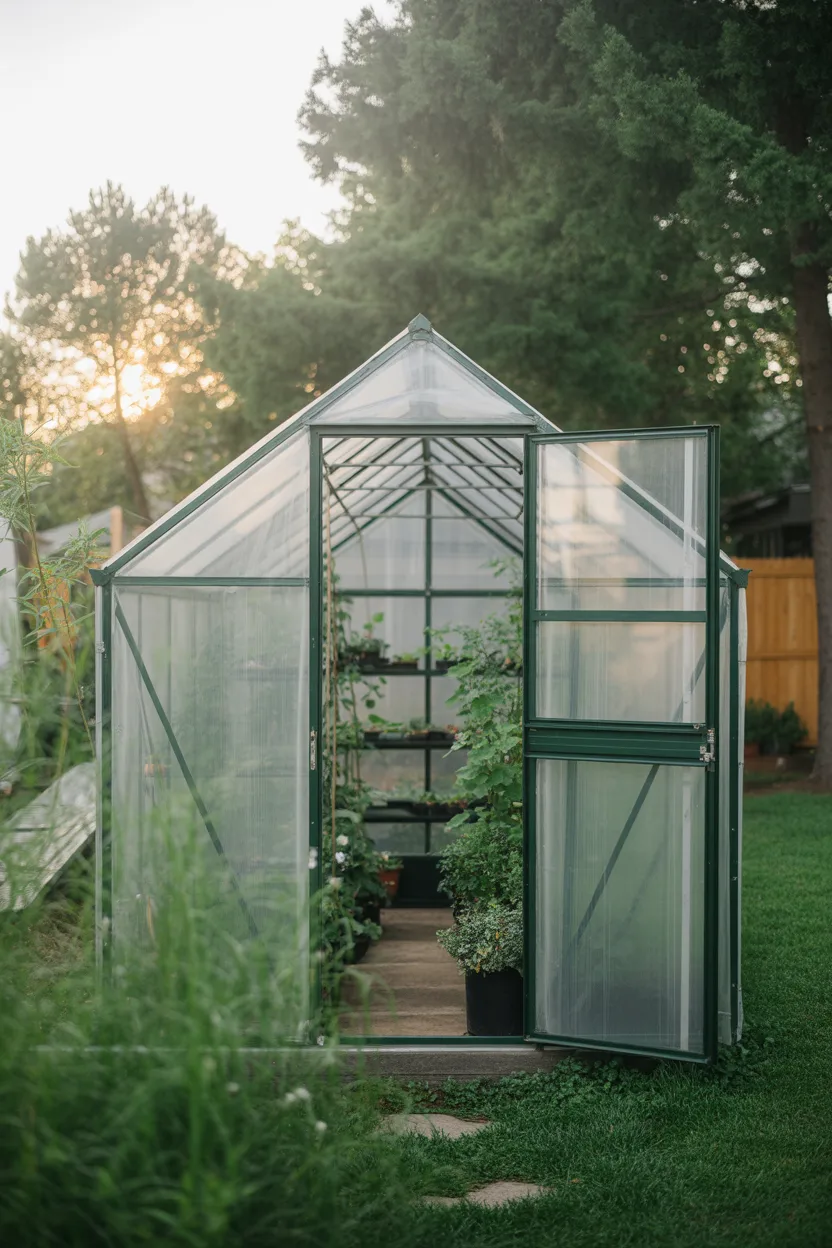
The size and type of greenhouse you use will influence your success. For beginners, a small, portable greenhouse or cold frame can work wonders. For more serious gardeners, a larger structure with heating and ventilation systems is ideal.
Key considerations when selecting a greenhouse:
- Light: Ensure the greenhouse receives ample sunlight (at least 6–8 hours daily).
- Ventilation: Proper airflow reduces the risk of fungal diseases.
- Temperature Control: Some seeds require warmth to germinate, so consider a heated greenhouse if your climate is cool.
A well-designed greenhouse creates a stable environment that encourages strong, uniform germination.
3. Use Quality Seed Starting Mix
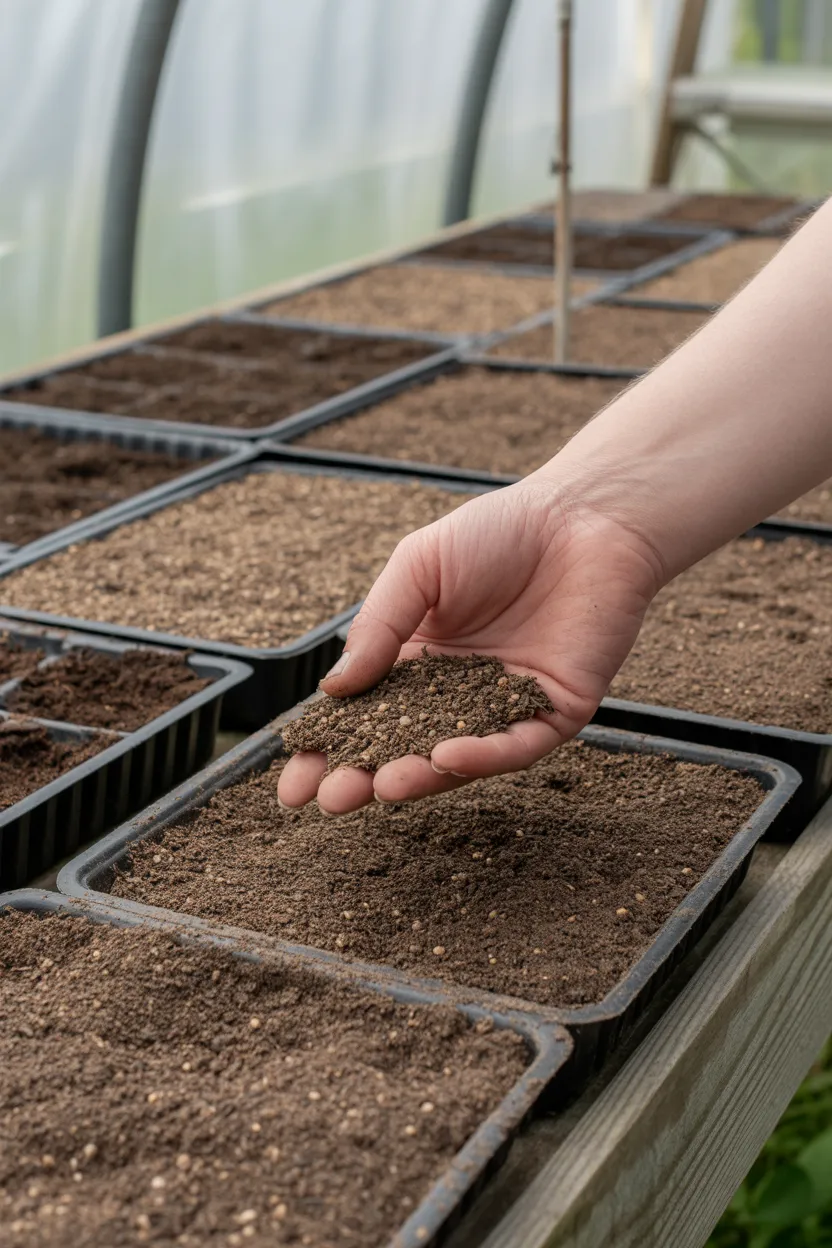
One of the most overlooked aspects of how to start seeds in a greenhouse is the growing medium. Regular garden soil is too heavy and may harbor pathogens that stunt seedling growth. Instead, use a light, well-draining seed starting mix.
Benefits of using seed starting mix:
- Provides adequate drainage
- Retains moisture without waterlogging
- Reduces disease risk
- Supports healthy root development
Tip: Avoid adding fertilizer at the seed stage; seedlings are sensitive to high nutrient levels.
4. Sow Seeds at the Correct Depth
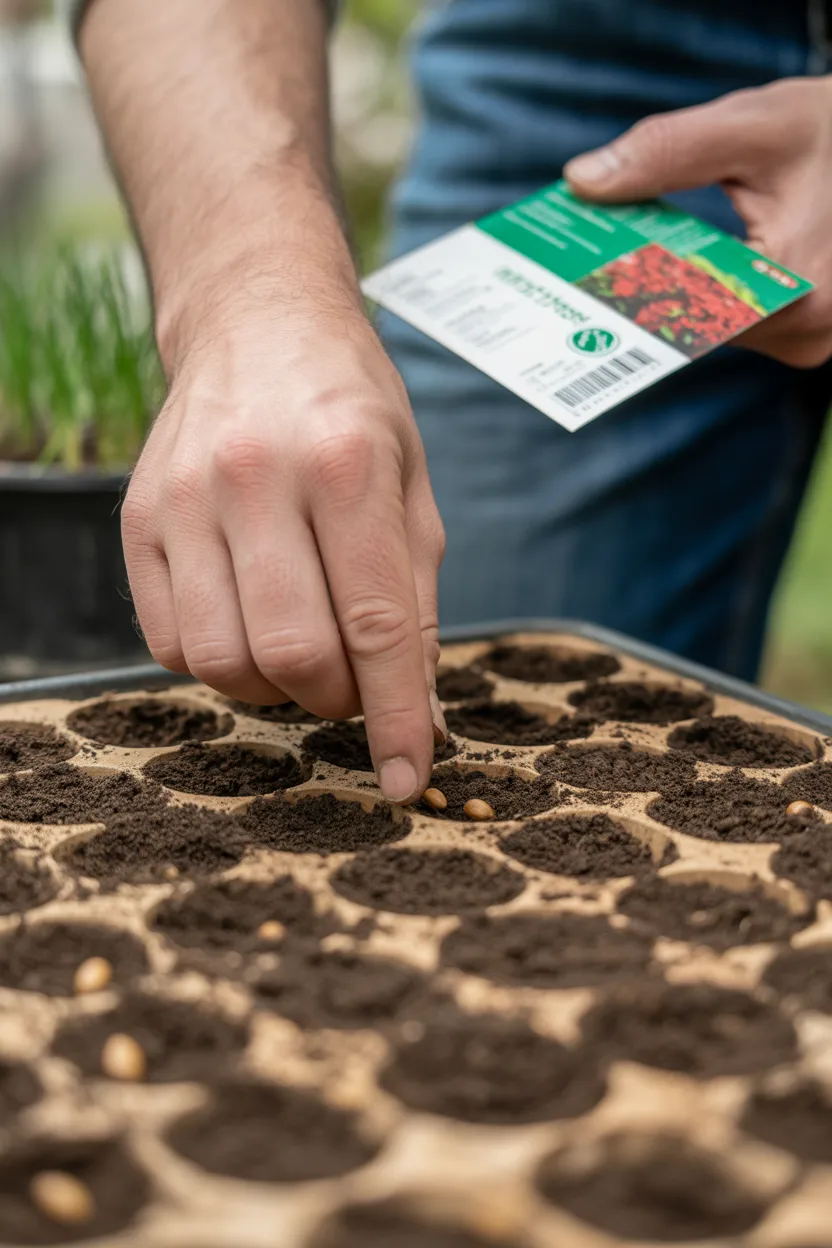
Proper sowing depth is crucial for successful germination. Planting seeds too deep or too shallow can lead to poor results.
General rules:
- Small seeds (like lettuce or petunia): sprinkle on the surface and lightly press into the soil.
- Medium seeds (like peppers or tomatoes): sow 1/4 to 1/2 inch deep.
- Large seeds (like beans or corn): sow 1 inch deep.
Always follow the instructions on the seed packet. Over time, you’ll develop a feel for what works best for each type of seed.
5. Keep the Soil Moist but Not Waterlogged
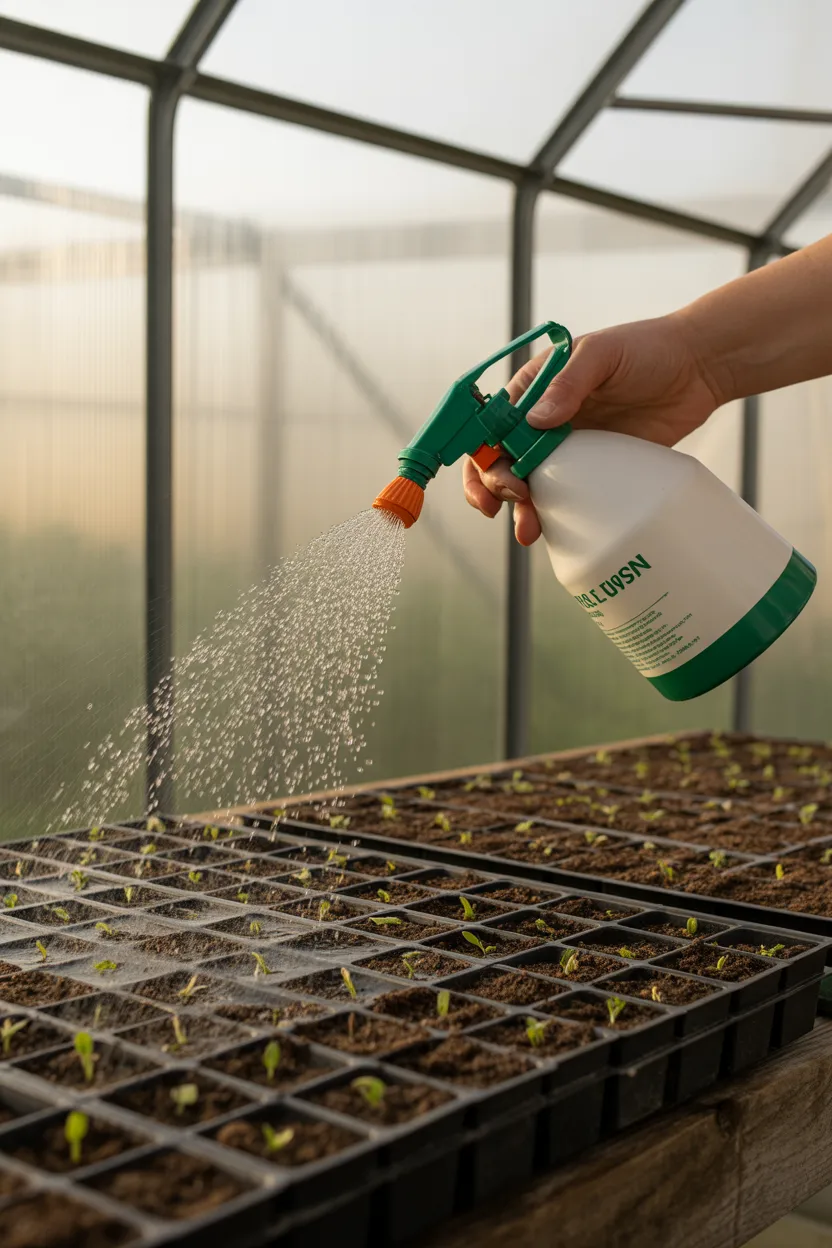
Maintaining consistent moisture is a cornerstone of greenhouse seed starting tips. Seeds need moisture to germinate, but excess water can cause damping-off, a fungal disease that kills young seedlings.
Watering guidelines:
- Use a gentle spray or watering can to moisten the soil evenly.
- Cover seed trays with a clear dome or plastic wrap to retain humidity.
- Check daily to ensure the soil remains damp but not soggy.
Tip: Bottom watering, where water is absorbed through drainage holes, can prevent overwatering and reduce disease risk.
6. Maintain Optimal Temperature for Germination
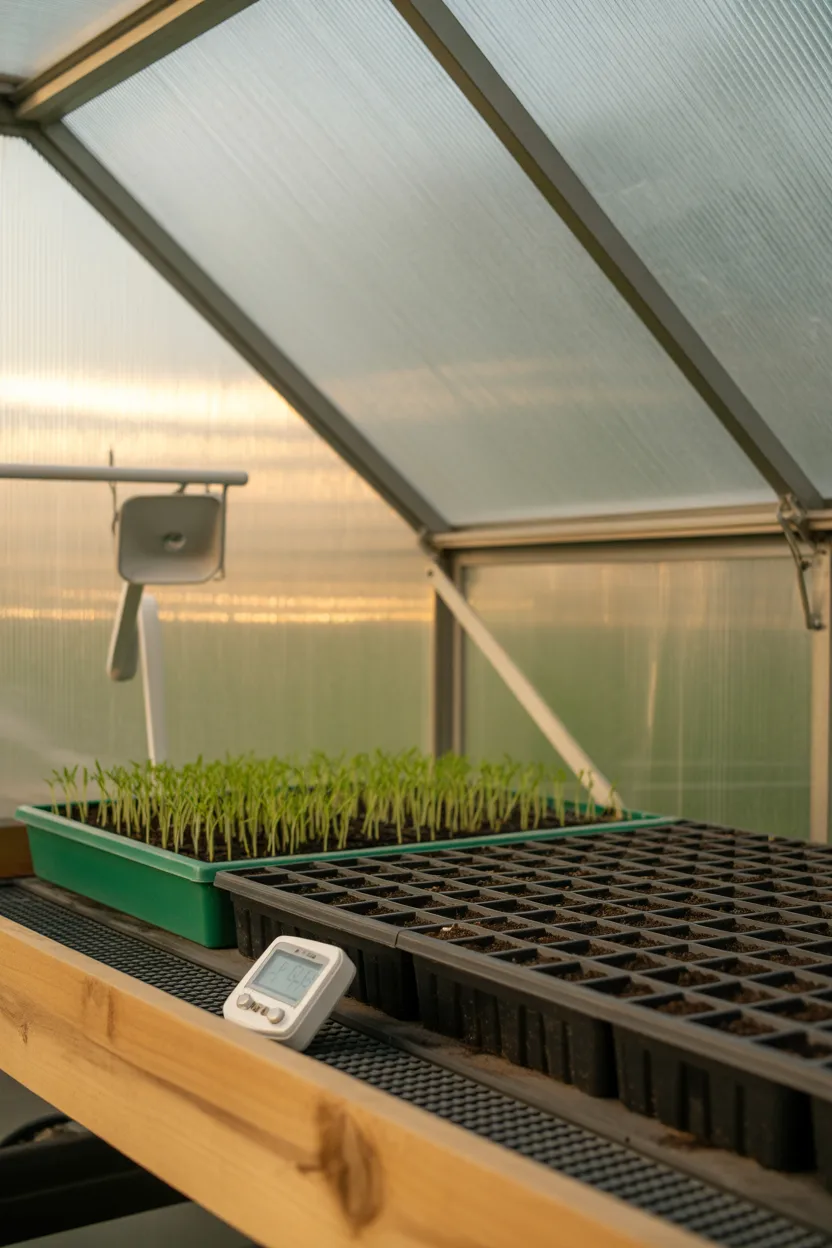
Different seeds require different temperatures to germinate. A greenhouse allows you to create ideal conditions for each type of plant.
Temperature ranges for common seeds:
- Lettuce, kale: 15–20°C (59–68°F)
- Tomatoes, peppers: 20–25°C (68–77°F)
- Herbs: 18–24°C (65–75°F)
Using a heat mat or adjusting the greenhouse’s temperature can help maintain consistency. Remember, too much heat can dry out the soil quickly, while too little can delay germination.
7. Provide Adequate Light
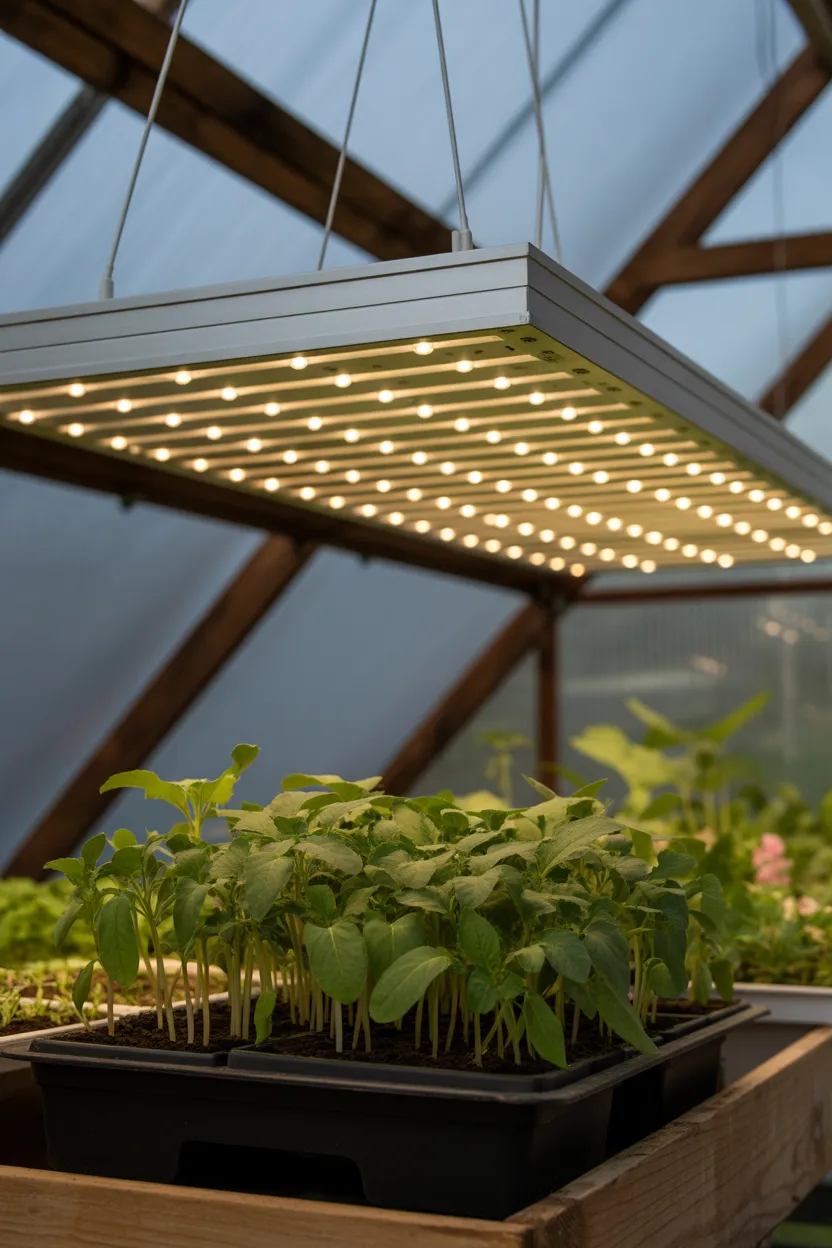
Even with the perfect temperature and moisture, seedlings cannot thrive without sufficient light. In a greenhouse, natural sunlight is the best source, but during shorter days or overcast conditions, supplemental lighting may be necessary.
Lighting tips:
- Position seedlings where they receive 12–16 hours of light daily.
- Use LED or fluorescent grow lights if sunlight is insufficient.
- Keep lights 2–4 inches above seedlings and adjust as they grow.
Seedlings that do not receive enough light often become leggy, weak, and prone to disease.
8. Thin Out Crowded Seedlings
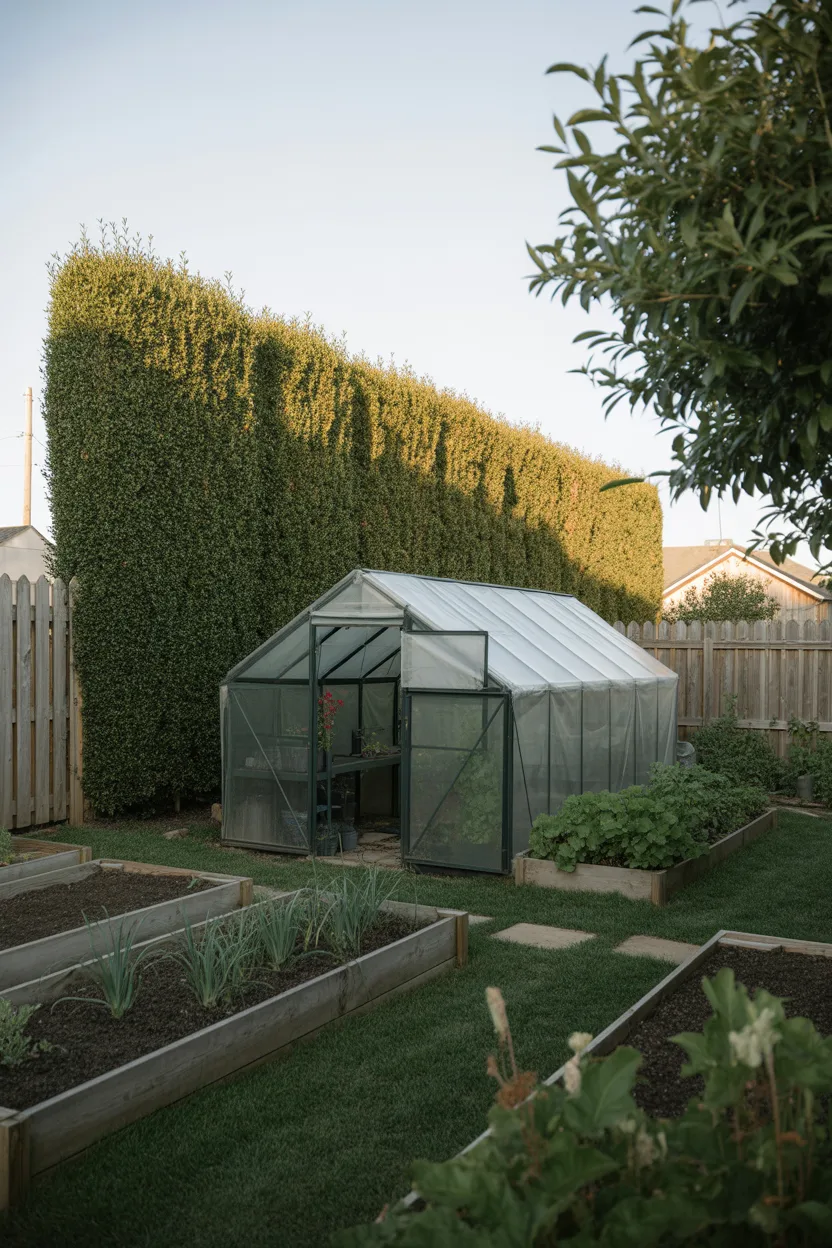
Overcrowding is a common mistake when starting seeds in a greenhouse. When too many seedlings compete for light, water, and nutrients, they become weak and spindly.
How to thin seedlings:
- Wait until seedlings develop their first set of true leaves.
- Use small scissors to snip weaker seedlings at soil level.
- Space remaining seedlings according to their growth requirements.
Thinning ensures strong plants with robust root systems that are ready for transplanting.
9. Harden Off Seedlings Before Transplanting
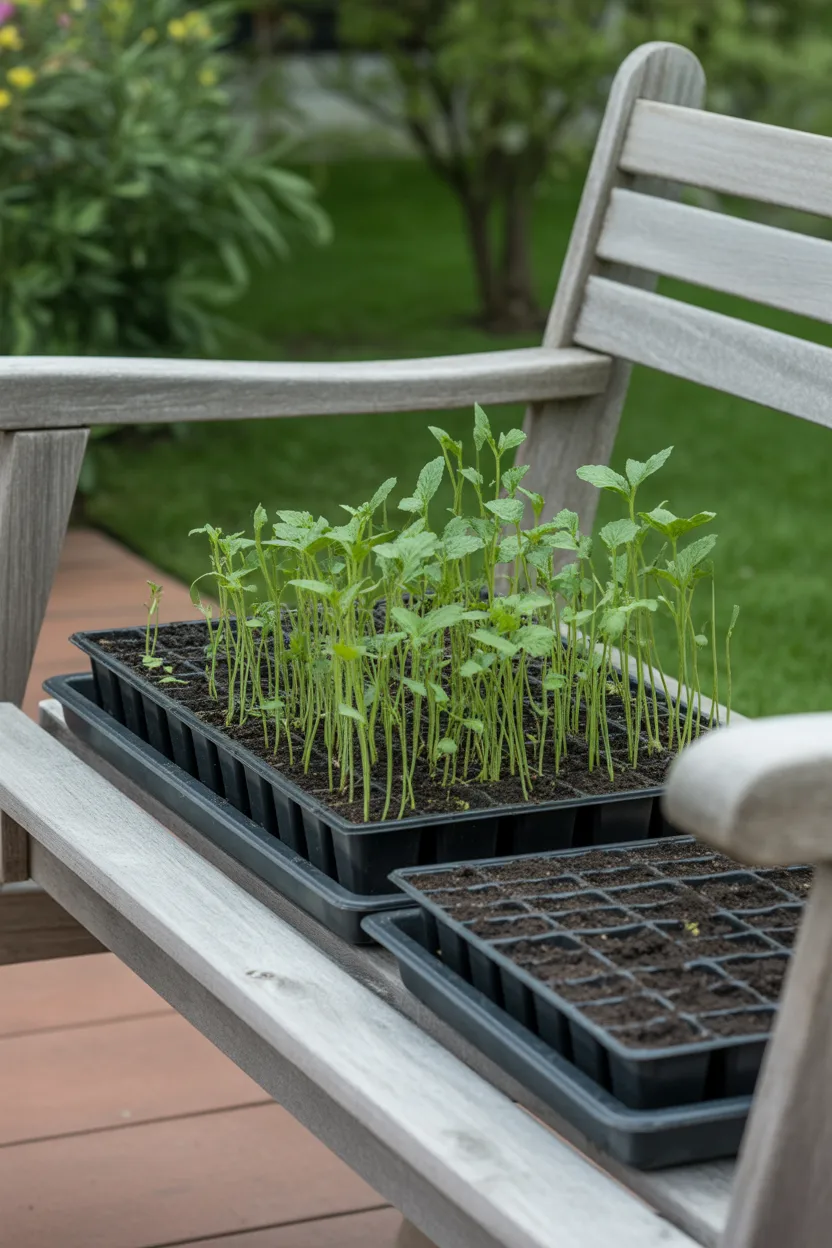
Seedlings grown in a greenhouse are accustomed to protected conditions. Direct exposure to outdoor elements can shock them. Hardening off gradually acclimates plants to the outside environment.
Steps to harden off seedlings:
- Start by placing them outdoors in partial shade for 1–2 hours.
- Gradually increase time outdoors over 7–10 days.
- Introduce them to wind and direct sunlight slowly.
Hardening off reduces transplant shock and improves survival rates in your garden.
10. Monitor and Control Pests
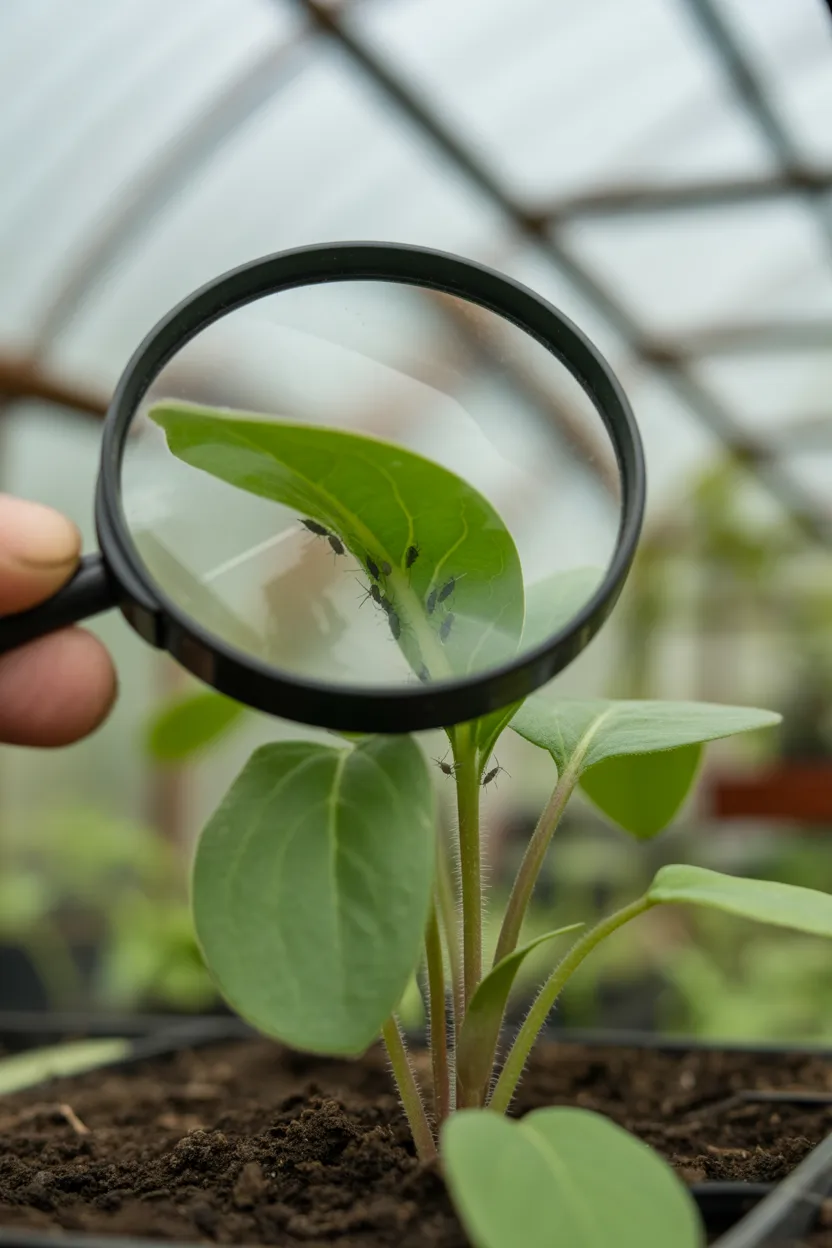
Greenhouses are not immune to pests. Aphids, whiteflies, and fungus gnats can damage delicate seedlings. Vigilance is key.
Pest control strategies:
- Inspect seedlings daily for signs of infestation.
- Use insecticidal soap or neem oil for minor infestations.
- Encourage beneficial insects like ladybugs.
- Keep the greenhouse clean and remove plant debris.
Healthy seedlings are less susceptible to pests, so proper care is your first line of defense.
11. Provide Proper Air Circulation
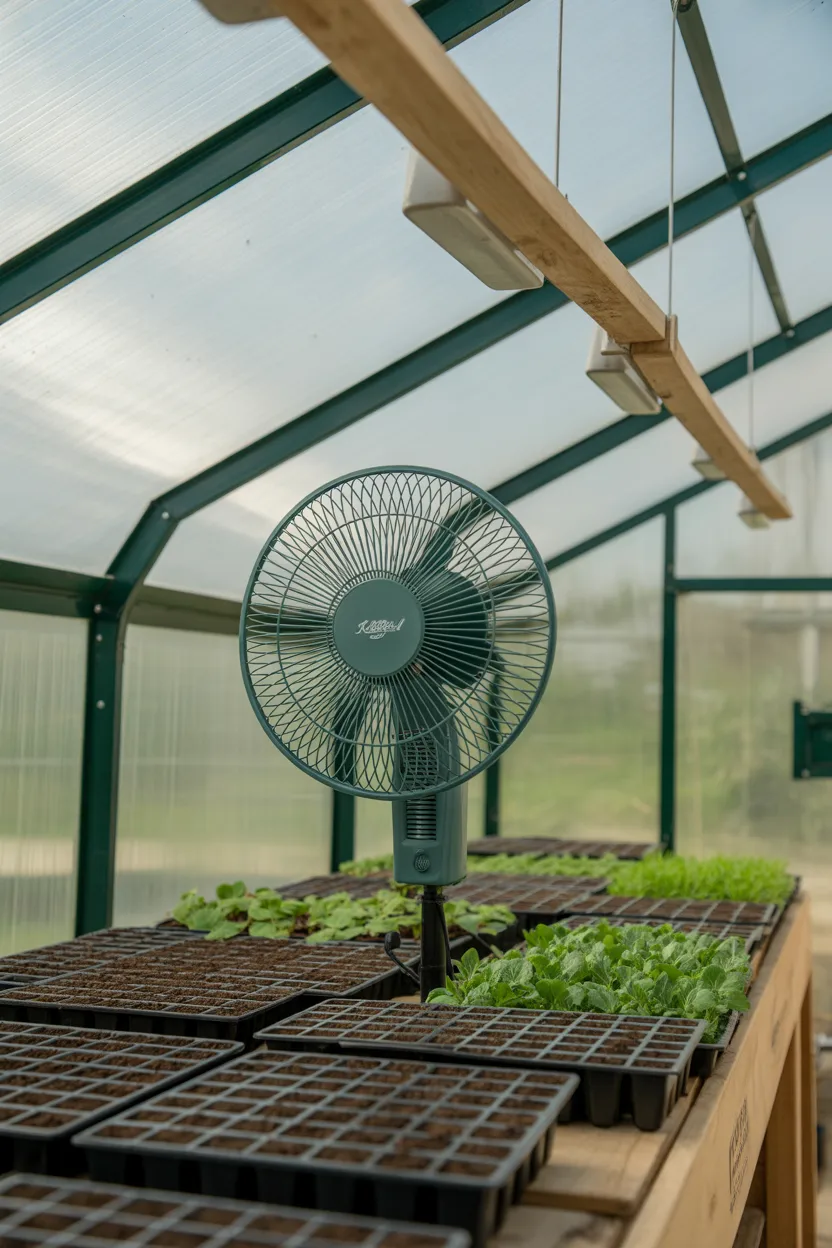
Airflow is essential in a greenhouse. Stagnant air encourages fungal diseases such as damping-off and powdery mildew.
Tips for improving airflow:
- Use fans to circulate air gently.
- Open vents or doors on sunny days.
- Avoid overcrowding seedlings.
Good air circulation strengthens seedlings and helps regulate humidity levels.
12. Fertilize Appropriately
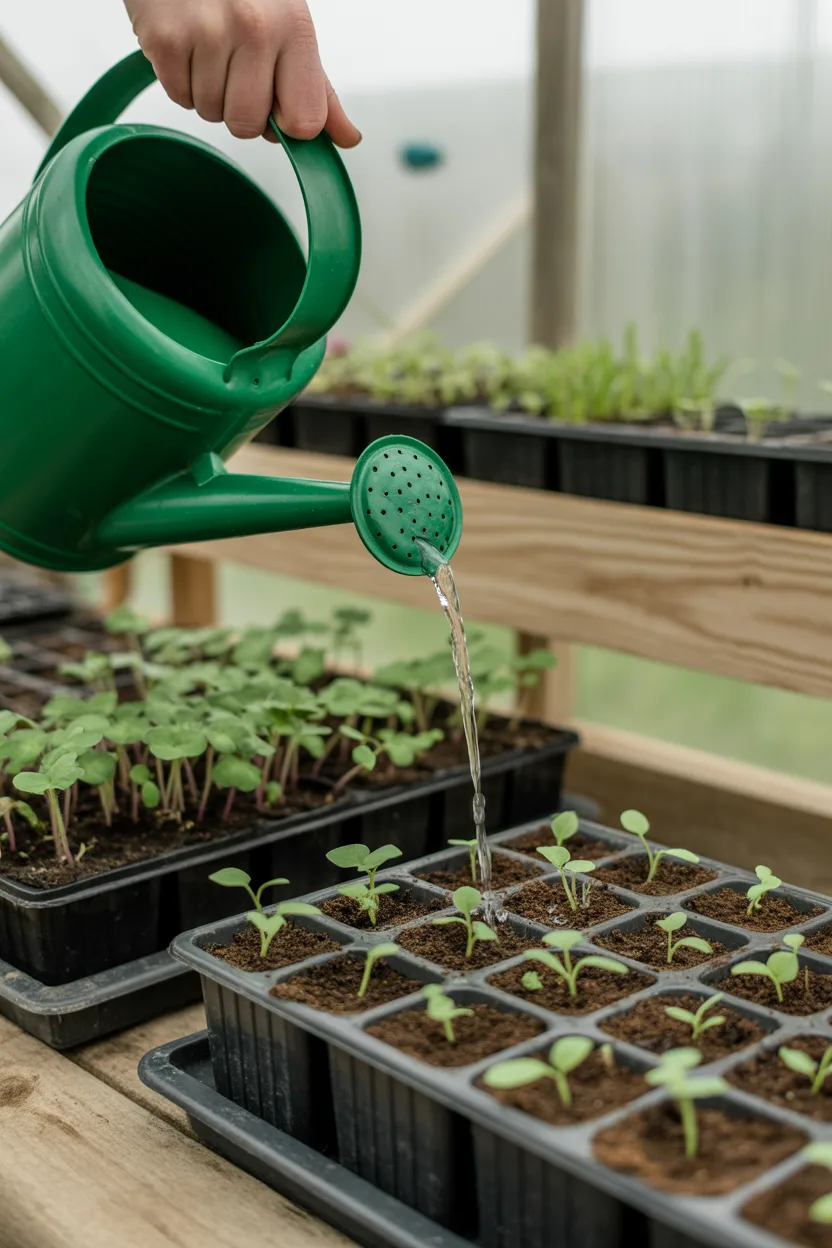
While seedlings don’t need much fertilizer initially, they benefit from a mild feed once true leaves appear. Use a diluted, balanced liquid fertilizer to support healthy growth.
Fertilizing tips:
- Wait until seedlings have at least two sets of true leaves.
- Use half-strength fertilizer to avoid burning young roots.
- Feed once every 1–2 weeks.
Balanced fertilization ensures your seedlings develop strong stems and roots, preparing them for a successful transplant.
13. Label Your Seedlings
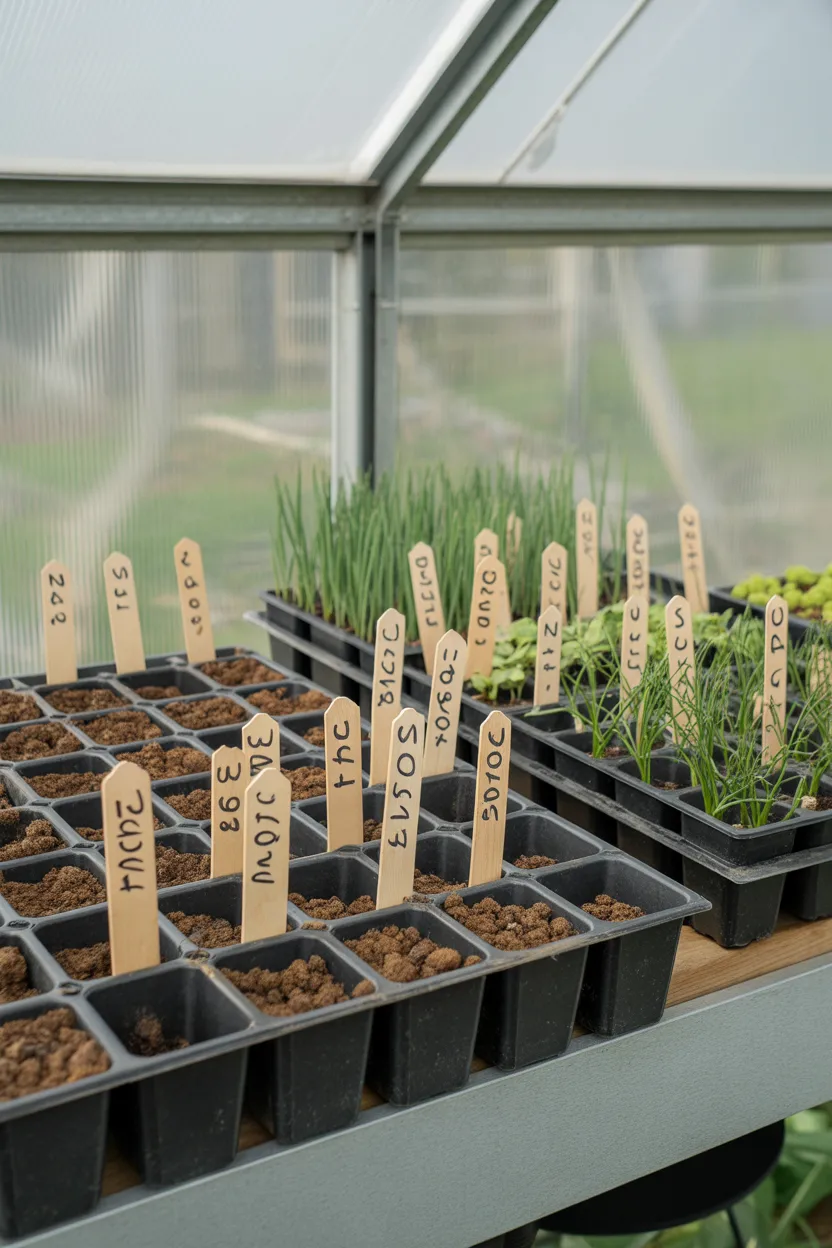
It may seem simple, but labeling is crucial, especially when growing multiple types of plants. Mix-ups can lead to confusion and disappointment when plants bloom or fruit differently than expected.
Labeling ideas:
- Use waterproof plant markers.
- Write seed variety and sowing date.
- Consider using color-coded labels for different plant families.
Labeling helps track growth patterns and improves your seed-starting efficiency over time.
14. Keep a Seed Starting Journal
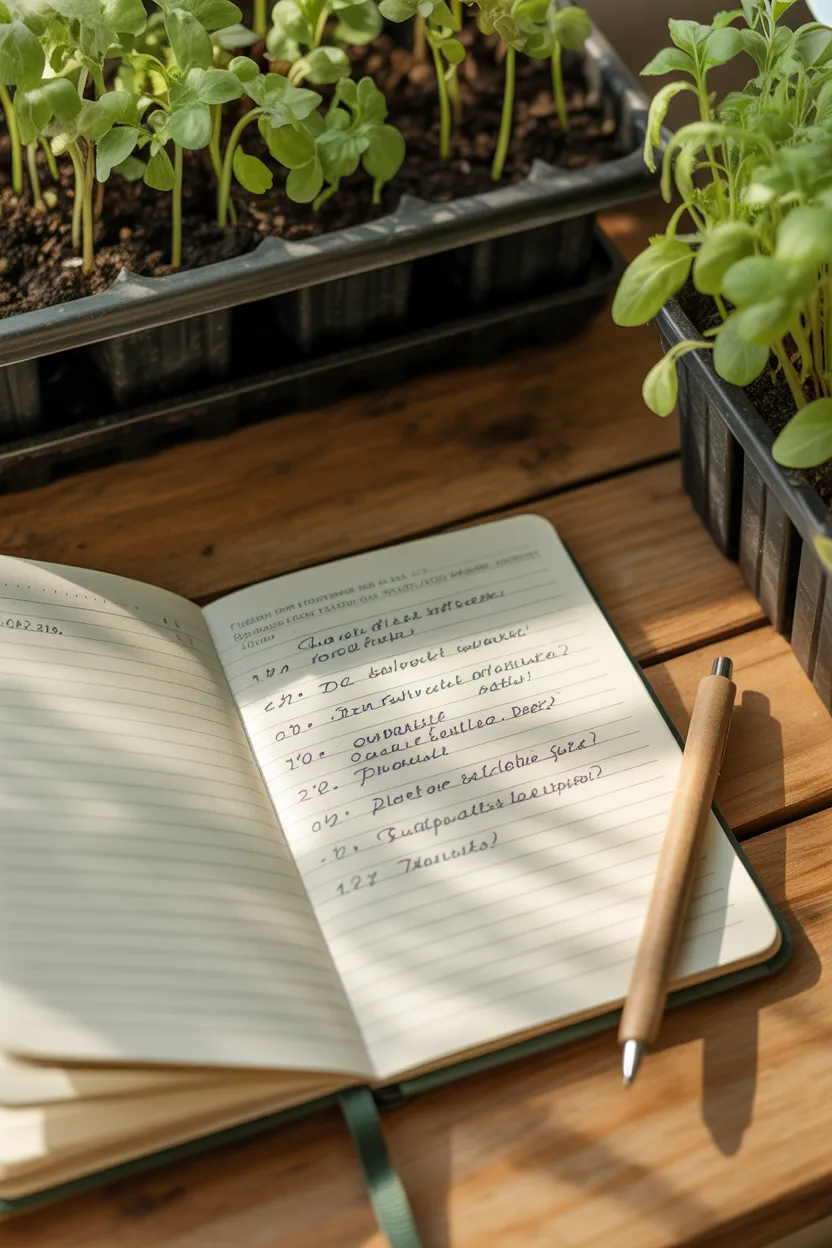
Finally, keeping a record of your greenhouse seed-starting efforts can significantly improve your results. Documenting germination times, watering schedules, temperature, and any issues you encounter provides valuable insights for future seasons.
What to include in your journal:
- Seed variety and source
- Sowing date and germination rate
- Temperature and humidity conditions
- Watering and fertilizing routines
- Notes on growth, pests, and diseases
A detailed journal helps refine your technique and ensures continued success with greenhouse seed starting.
Bonus Tips for Extra Success
- Rotate trays to ensure even light exposure.
- Use humidity domes to maintain moisture during germination.
- Keep greenhouse clean to prevent disease buildup.
- Check soil pH: Most seedlings prefer a pH of 6.0–7.0.
- Plan succession sowing: Stagger sowing times to ensure a continuous harvest.
Conclusion
Starting seeds in a greenhouse is a rewarding process that requires attention, patience, and a bit of planning. By following these greenhouse seed starting tips, you can enjoy healthy, vigorous seedlings that give your garden a strong start. From selecting the right seeds and soil to monitoring light, temperature, and pests, every step plays a vital role in your success.
Remember, gardening is both an art and a science. Experiment, observe, and adapt your methods as needed. With these tips, you’ll not only master how to start seeds in a greenhouse but also cultivate a thriving, productive garden season after season.