8 Vegetable Garden Ideas for a Thriving and Healthy Harvest

Creating a vegetable garden at home is one of the most rewarding ways to enjoy fresh food, stay healthy, and connect with nature. Whether you have a large backyard, a small patio, or even just a balcony, you can grow delicious vegetables with the right planning and care. In this article, we’ll explore 8 vegetable garden ideas that can inspire you to start or upgrade your gardening journey. Each idea will help you maximize space, boost productivity, and enjoy a sustainable lifestyle.
1. Raised Bed Vegetable Garden

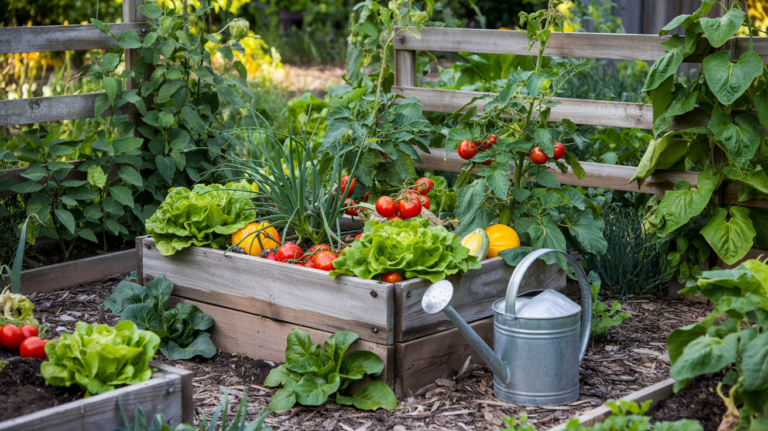
Raised beds are one of the most popular and effective methods for growing vegetables. By building a raised bed, you gain control over soil quality, drainage, and organization. These beds allow you to grow vegetables in neat rows or clusters, making it easier to manage weeds and pests.
A raised bed vegetable garden is perfect for beginners and experienced gardeners alike. They also reduce strain on your back and knees since the soil is elevated, making gardening a more comfortable experience.
2. Container Vegetable Garden

If you live in an apartment or have limited yard space, container gardening is the ideal solution. Pots, buckets, wooden boxes, or even recycled containers can be transformed into mini-vegetable gardens. Tomatoes, lettuce, peppers, and herbs thrive in containers, provided they have proper drainage and sunlight.
This method also allows mobility—you can move your containers to different spots to catch optimal sunlight or protect them from bad weather. Container vegetable gardens are proof that you don’t need acres of land to enjoy homegrown food.
3. Vertical Vegetable Garden

Vertical gardening is a space-saving technique that allows you to grow vegetables upward instead of outward. Trellises, wall planters, hanging baskets, and shelving units are great ways to implement this style.
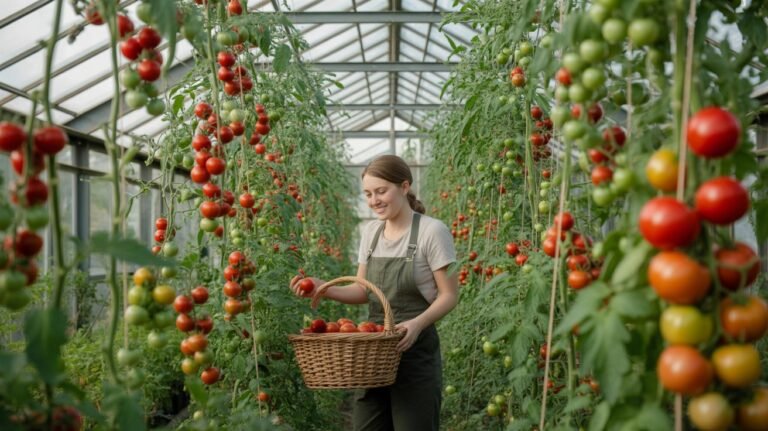
Vegetables such as cucumbers, beans, and peas thrive when grown vertically. Not only does this make harvesting easier, but it also creates a striking green wall that adds beauty to your outdoor space. For urban dwellers with little ground space, a vertical vegetable garden can be a game changer.
4. Companion Planting Vegetable Garden

Companion planting is a strategic way to grow vegetables by placing certain plants next to each other for mutual benefits. For example, tomatoes grow well with basil, as basil repels pests that harm tomato plants. Similarly, beans fix nitrogen in the soil, which benefits leafy greens like spinach and kale.
This type of vegetable garden not only saves space but also boosts yields, improves soil fertility, and reduces the need for chemical pesticides. It’s a natural way of creating harmony in your garden while reaping maximum rewards.
5. Square Foot Vegetable Garden

Square foot gardening is an organized method that divides your growing area into small, manageable sections. Each square foot can host a specific vegetable, which reduces waste of space and makes planning easier.
For instance, one square can hold nine spinach plants, while another can grow a single tomato plant. This style of vegetable garden is perfect for beginners who want a systematic and less overwhelming approach to gardening. It’s also highly efficient in small spaces.
6. Indoor Vegetable Garden

Don’t let the lack of outdoor space stop you from enjoying fresh vegetables. An indoor vegetable garden can be created on a windowsill, under grow lights, or in a hydroponic system. Herbs like parsley, cilantro, and chives, as well as leafy greens such as lettuce, grow well indoors.
Indoor gardening allows you to control light, temperature, and moisture, making it possible to grow vegetables year-round. This method is especially useful for those living in cold climates where outdoor gardening is seasonal.
7. Community Vegetable Garden

For people who don’t have private outdoor space, a community vegetable garden is an excellent way to grow food while connecting with others. Many cities and neighborhoods now provide shared gardening spaces where residents can rent plots.
Community gardens promote sustainability, reduce food costs, and create a sense of belonging. They also allow people to share tips, tools, and harvests. If you want to enjoy fresh produce while building relationships, a community vegetable garden is a fantastic option.
8. Themed Vegetable Garden

For a fun and creative twist, try designing a themed vegetable garden. You can grow vegetables that match a specific cuisine, such as an Italian garden with tomatoes, basil, oregano, and zucchini. Or perhaps a salad garden filled with lettuce, radishes, carrots, and cucumbers.
A themed vegetable garden not only makes planting exciting but also ensures you always have the right ingredients at hand for your favorite meals. It’s a personalized way to make gardening even more enjoyable.
Tips for a Successful Vegetable Garden
No matter which of the eight ideas you choose, here are a few tips to help your vegetable garden thrive:
- Choose the right location: Most vegetables need at least 6–8 hours of sunlight daily.
- Prepare healthy soil: Enrich your soil with compost or organic fertilizers to boost productivity.
- Water consistently: Keep the soil moist but not waterlogged. Drip irrigation or soaker hoses work best.
- Rotate crops: Avoid planting the same vegetable in the same spot year after year to reduce pests and disease.
- Harvest regularly: Picking vegetables frequently encourages plants to produce more.
Final Thoughts
Starting a vegetable garden is a fulfilling journey that combines nature, health, and sustainability. From raised beds and vertical setups to themed and community gardens, there’s an idea that fits every lifestyle and space. With patience, planning, and care, you’ll enjoy the satisfaction of harvesting fresh vegetables right from your own garden.
A vegetable garden is more than just a source of food—it’s a way to live greener, healthier, and more connected to the earth. So, whether you’re a beginner or an experienced gardener, choose one of these 8 vegetable garden ideas and get started today. Your plate—and the planet—will thank you.