10 Vegetable Garden Layout Ideas for a Thriving Harvest

Designing a successful garden is more than just planting seeds—it’s about planning a space that works with nature, supports healthy growth, and makes tending your plants enjoyable. A well-thought-out vegetable garden layout can mean the difference between a bountiful harvest and a season of frustration.
Whether you’re working with a small backyard, a raised bed, or a spacious plot, the right layout will maximize productivity, conserve space, and help manage pests. In this guide, we’ll explore 10 creative vegetable garden layouts, each with unique benefits, so you can find one that suits your space, goals, and gardening style.
1. Traditional Row Layout

The traditional row garden is one of the most familiar styles. Plants are arranged in long, straight rows with space between for walking and tending.
Best for: Large gardens, gardeners who want to grow in bulk, and crops like corn, beans, and potatoes.
Advantages:
- Easy to till and prepare the soil.
- Clear walking paths for watering and harvesting.
- Works well for mechanical tools or small tractors.
Tip: To avoid wasted space, plant quick-growing crops like lettuce or radishes in between slower-maturing plants such as tomatoes or peppers.
2. Raised Bed Layout
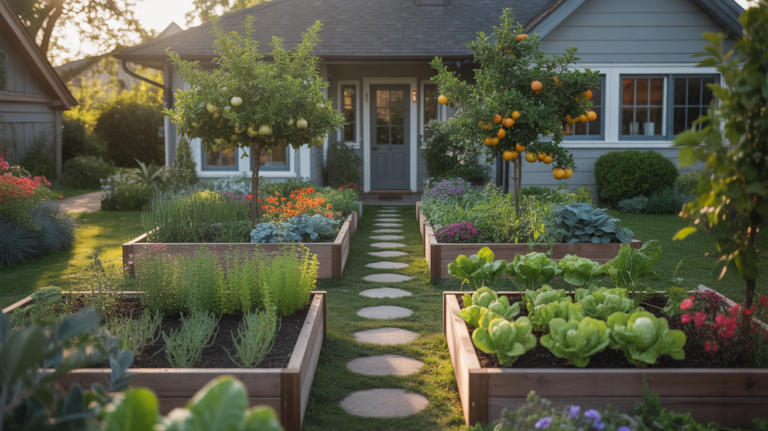
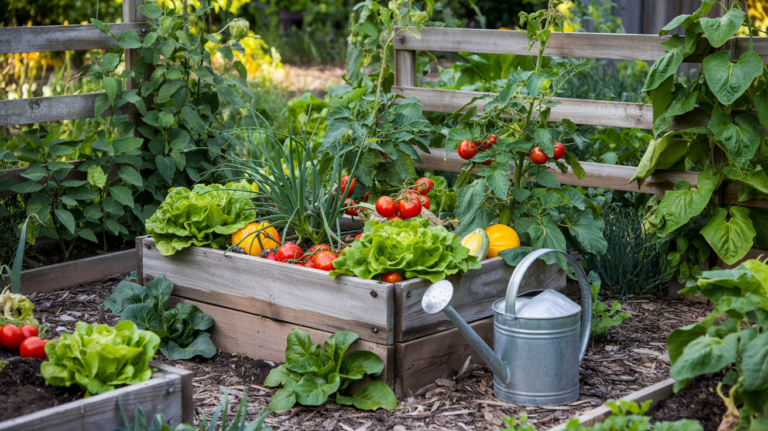
Raised beds are perfect for urban and suburban gardeners who want more control over soil quality. The layout typically involves wooden, metal, or stone-framed beds, usually 3–4 feet wide, so you can reach plants from either side without stepping on the soil.

Best for: Beginners, urban spaces, and poor or compacted soil conditions.
Advantages:
- Excellent drainage and soil control.
- Easier to manage weeds and pests.
- Accessible for gardeners with mobility issues.
Tip: For maximum harvest, use a square-foot gardening method within your raised beds (more on this below).
3. Square Foot Gardening Layout

Square foot gardening divides a raised bed into 1×1 foot squares, with each square designated for a specific crop. This method is highly efficient and space-saving.
Best for: Small gardens, beginners, and families looking to grow a little bit of everything.
Advantages:
- Prevents overcrowding.
- Simplifies crop rotation.
- Helps with planting density—so you don’t waste space.
Tip: Place taller crops like tomatoes on the north side of your layout to prevent shading shorter plants.
4. Companion Planting Layout

This design is all about planting crops that benefit each other side by side. For example, basil enhances the flavor of tomatoes and repels pests, while carrots and onions deter each other’s enemies.
Best for: Organic gardeners who want to reduce reliance on chemicals.
Advantages:
- Naturally repels pests.
- Improves pollination and plant health.
- Can increase yield and flavor.
Tip: Research companion planting charts to avoid common mistakes—some plants inhibit each other’s growth if placed too close.
5. Vertical Garden Layout

If you’re short on space, a vertical layout is the way to go. This involves growing plants upward using trellises, arches, or stacked containers.
Best for: Small backyards, patios, or gardeners who want to grow vining plants like cucumbers, peas, or pole beans.
Advantages:
- Saves ground space.
- Improves air circulation (reducing disease).
- Easier harvesting at eye level.
Tip: Train climbing plants early in the season so they establish strong growth up the trellis.
6. Kitchen Garden (Potager) Layout

The kitchen garden, or potager, blends beauty and utility by mixing vegetables, herbs, and even flowers in a decorative layout. Often arranged in geometric patterns, this design brings charm while keeping food within easy reach of the kitchen.
Best for: Gardeners who value aesthetics as much as productivity.
Advantages:
- Combines edible and ornamental plants.
- Attracts pollinators with flowers.
- Keeps fresh ingredients close to your kitchen.
Tip: Plant fragrant herbs like rosemary or lavender around the edges to deter pests and add fragrance.
7. U-Shaped or L-Shaped Layout
These layouts maximize space by creating beds that form a U or L shape. They’re especially helpful for gardeners with limited space who still want accessibility and good plant density.

Best for: Corner plots or small gardens where efficient use of space is key.
Advantages:
- Makes every plant accessible without stepping on soil.
- Adds a unique visual element to your yard.
- Encourages thoughtful plant arrangement.
Tip: Place taller crops in the back arms of the U or L to keep everything accessible and sunlit.
8. Succession Planting Layout
his type of layout focuses on timing rather than space. You plant crops in sequences so as one harvest finishes, another begins. For example, after harvesting spring lettuce, plant carrots in the same bed for summer.

Best for: Gardeners who want a continuous harvest throughout the season.
Advantages:
- Maximizes yield in limited space.
- Keeps the garden producing longer.
- Works well with fast-growing crops.
Tip: Use a garden planner app to track planting times and prevent overlaps or gaps in production.
9. Raised Keyhole Garden Layout
Keyhole gardens feature a circular raised bed with a composting basket in the center and a cutout path that gives it a “keyhole” shape. The compost basket provides nutrients and moisture to surrounding plants.

Best for: Dry climates, permaculture enthusiasts, and gardeners who love sustainable practices.
Advantages:
- Built-in composting system enriches soil.
- Efficient use of water and organic waste.
- Easy access from all sides.
Tip: Add mulch around the compost basket to retain moisture in hot climates.
10. Herb Border Vegetable Layout
This layout surrounds your vegetable beds with herbs like thyme, basil, or oregano. Herbs not only look great but also deter pests and provide fresh seasoning for your kitchen.

Best for: Gardeners who cook often and want fresh flavors within reach.
Advantages:
- Natural pest control.
- Creates an aromatic, attractive garden.
- Adds culinary value beyond vegetables.
Tip: Plant perennial herbs like chives or oregano at the corners for long-lasting benefits year after year.
Choosing the Right Layout for Your Garden
When deciding which vegetable garden layout works best, consider these factors:
- Space: Do you have a large yard or a small patio?
- Soil quality: If your soil is poor, raised beds or keyhole gardens may be best.
- Climate: Vertical gardens thrive in humid areas, while keyhole gardens work in arid regions.
- Goals: Are you growing for beauty, bulk harvest, or family meals?
You don’t have to commit to just one design—many gardeners mix and match layouts. For example, you can combine raised beds with companion planting or add a vertical trellis in your square-foot garden.
Final Thoughts
A thoughtful vegetable garden layout helps you get the most out of your space, no matter its size. From the efficiency of square-foot gardening to the charm of a kitchen garden, each design brings unique benefits to the table. The key is to choose a layout that fits your lifestyle, climate, and goals so you can enjoy not just the harvest but also the process of growing.
Remember: the best garden layout is the one that keeps you inspired and coming back to tend your plants day after day. With planning, creativity, and a little experimentation, you’ll soon enjoy a thriving, productive vegetable garden right outside your door.