13 Types Of Ladybugs You May See In Your Garden
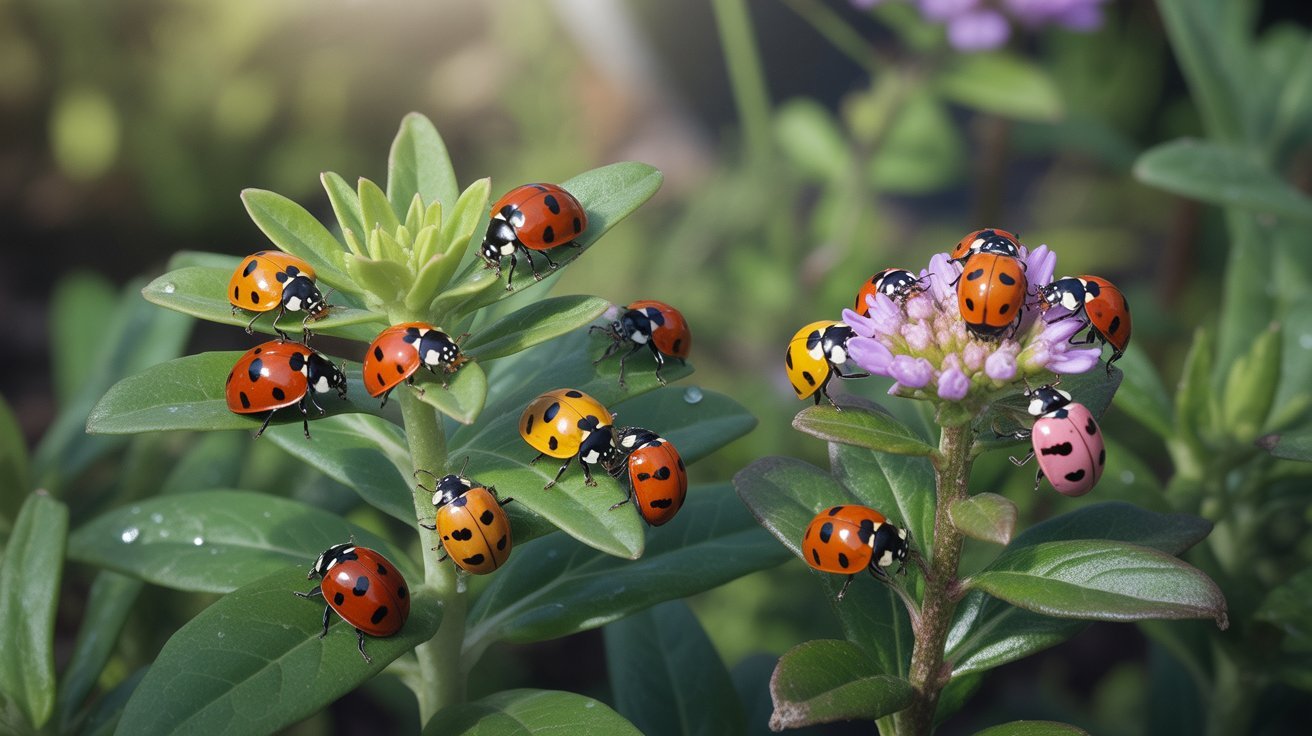
Ladybugs, also known as ladybirds or Coccinellidae, are among the most charming and beneficial insects you can spot in your garden. With their vibrant colours and helpful habits, these little beetles do more than just catch the eye—they help maintain a healthy garden ecosystem. If you’ve ever wondered about the types of ladybugs in garden, this guide will introduce you to 13 of the most common species you might encounter, along with tips for identifying them and understanding their roles.
Why Ladybugs Are Important for Your Garden
Before diving into the specific types of ladybugs in garden, it’s essential to understand why these insects are so valuable. Ladybugs are natural predators of aphids, scale insects, and other pests that can damage plants. By encouraging ladybugs in your garden, you reduce the need for chemical pesticides, promoting an organic, sustainable gardening approach.
Ladybugs are not only beneficial but also fascinating creatures. With over 5,000 species worldwide, they come in a variety of colours, patterns, and sizes. Some have red or orange shells with black spots, while others may be yellow, black, or even striped. Their diversity makes observing them in your garden a delightful experience.
1. Seven-Spotted Ladybug (Coccinella septempunctata)

The seven-spotted ladybug is one of the most familiar species to gardeners worldwide. Its bright red shell with seven distinct black spots makes it easy to identify. This ladybug is highly effective in controlling aphid populations, making it a natural ally in vegetable gardens and flower beds.
Originating from Europe, the seven-spotted ladybug has spread across many continents and is often considered a staple for gardeners who want a pest-free garden. They are also relatively large compared to other species, measuring about 7–10 mm in length.
2. Two-Spotted Ladybug (Adalia bipunctata)
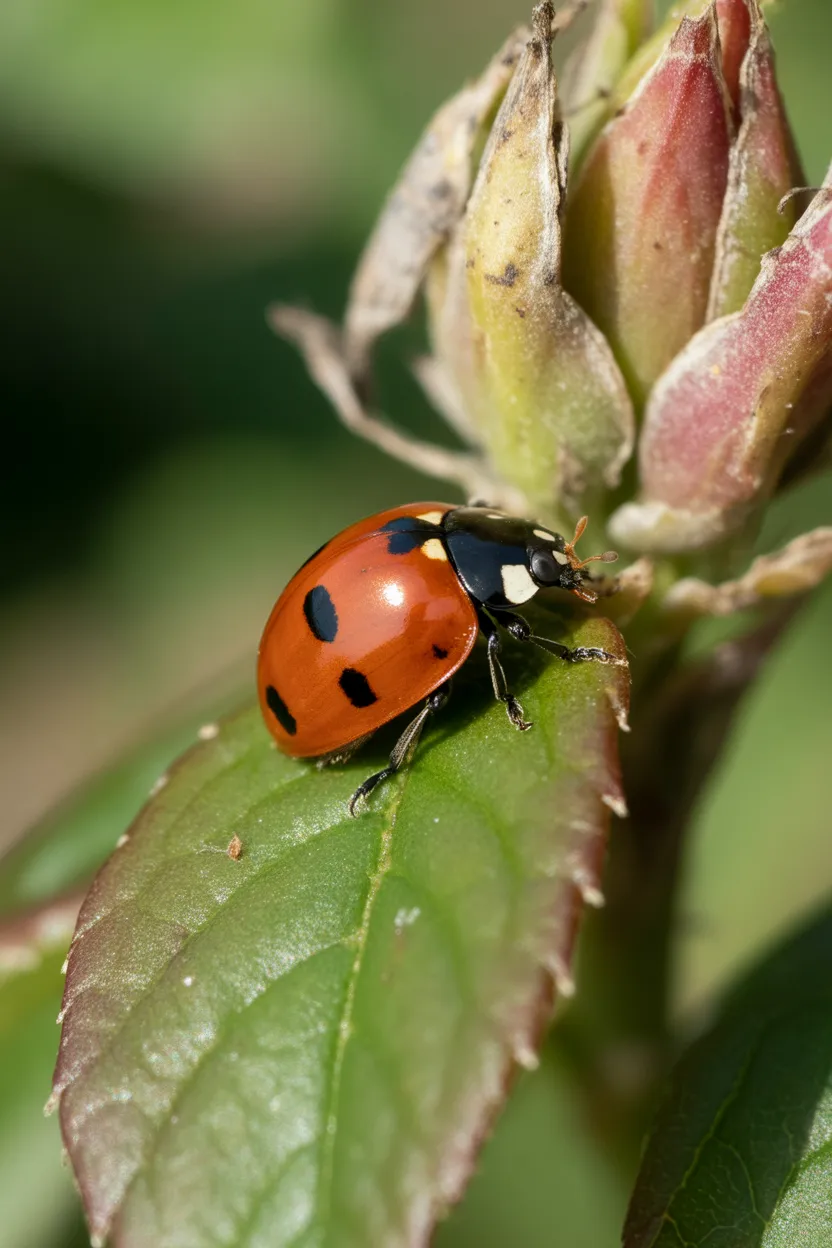
The two-spotted ladybug is smaller than the seven-spotted variety, with a red or orange shell featuring two prominent black spots. Despite having fewer spots, this ladybug is equally effective at controlling garden pests, particularly aphids and mites.
Interestingly, the colour of the two-spotted ladybug can vary from orange to red, depending on its age and diet. They are often found in the spring and early summer, especially on plants infested with aphids.
3. Ten-Spotted Ladybug (Adalia decempunctata)
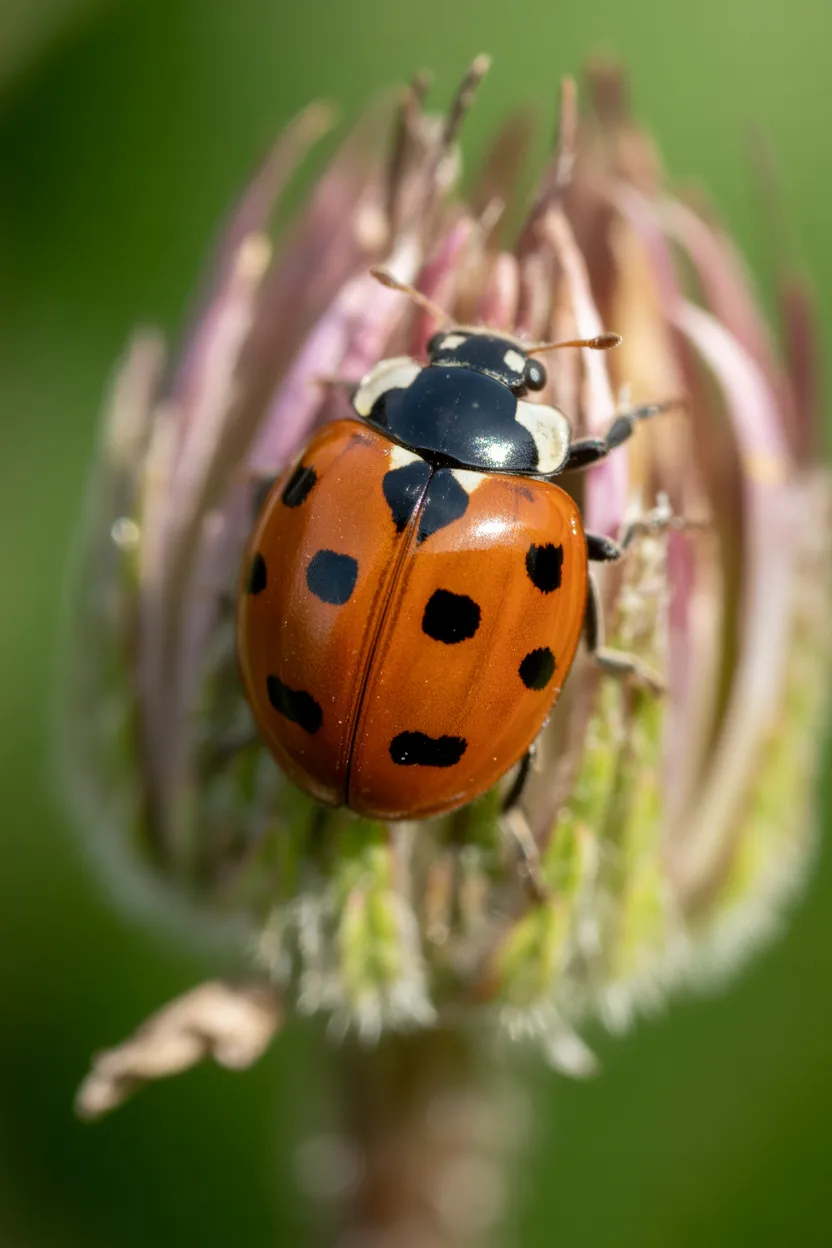
The ten-spotted ladybug is another common species found in gardens. True to its name, it has ten black spots evenly distributed across a bright red or orange shell. These ladybugs are slightly larger than some other species and are voracious predators, making them invaluable for maintaining plant health.
One fascinating aspect of the ten-spotted ladybug is its adaptability. It thrives in a wide range of habitats, from garden beds to wildflower meadows, and even urban green spaces.
4. Pink-Spotted Ladybug (Coleomegilla maculata)
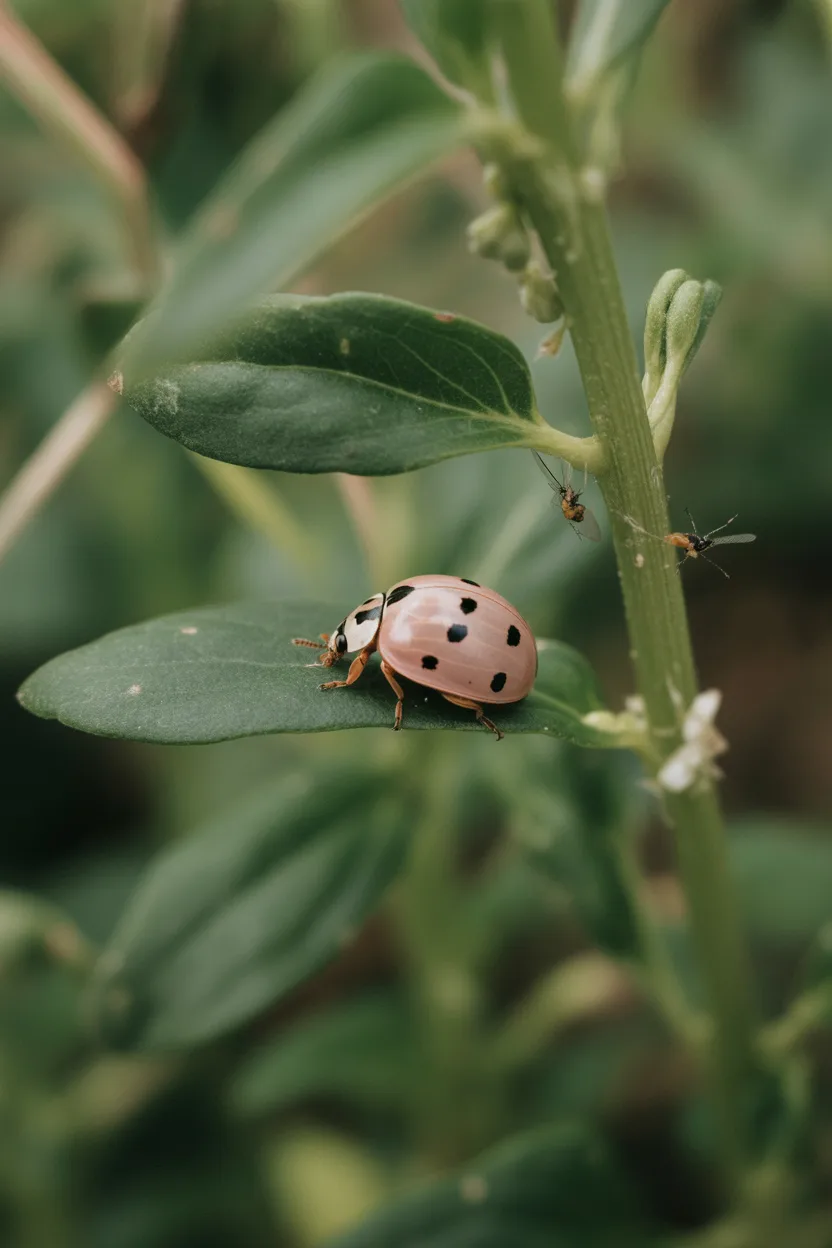
The pink-spotted ladybug is notable for its pink or pale red coloration, which sets it apart from the more common red species. It typically has 12 black spots, though the number can vary. This species is widely known for preying on soft-bodied insects like aphids and whiteflies, making it a useful insect for gardeners seeking natural pest control.
Pink-spotted ladybugs are often used in greenhouses and agricultural settings because of their efficiency in reducing pest populations without chemicals.
5. Convergent Ladybug (Hippodamia convergens)
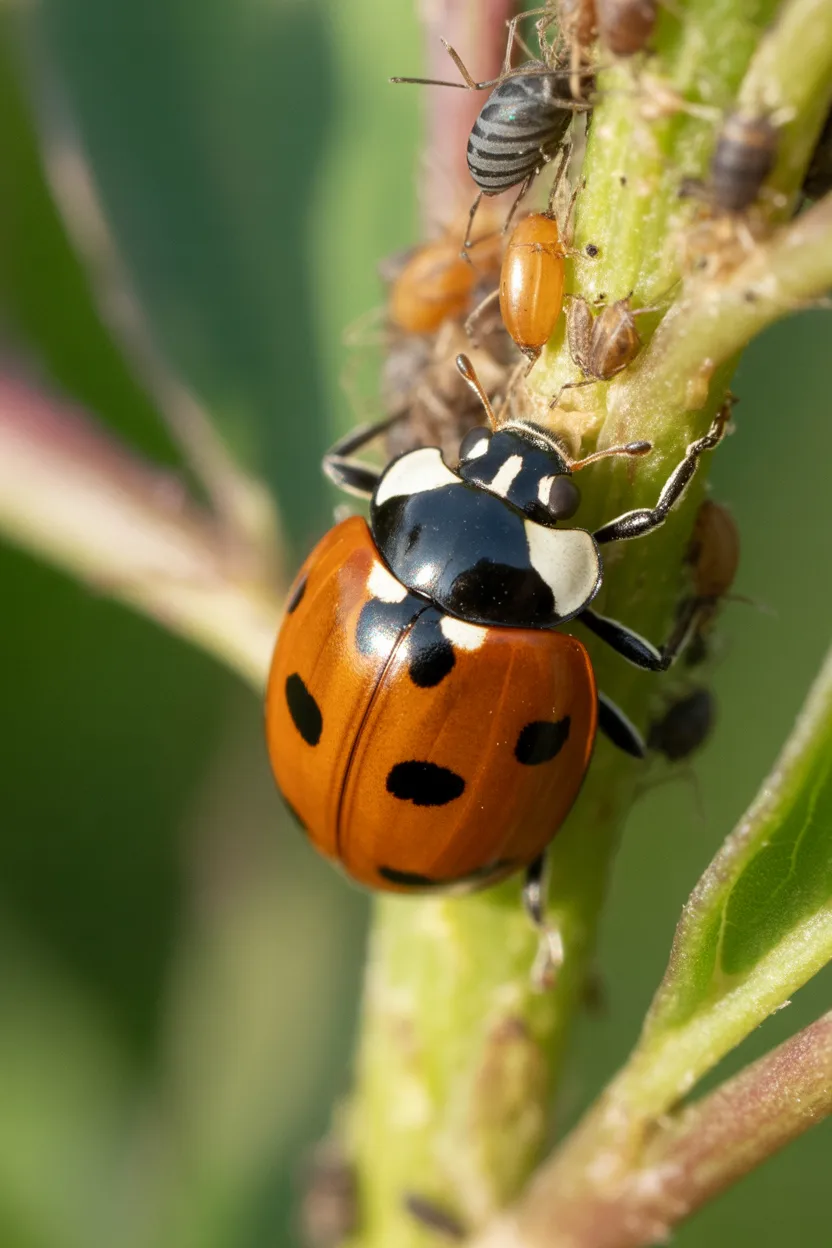
One of the most widespread types of ladybugs in garden, the convergent ladybug is easily recognised by two white lines that converge on its pronotum (the area behind the head) and a red shell adorned with black spots. This species is native to North America but has been introduced worldwide for pest control purposes.
Convergent ladybugs are particularly popular among gardeners because they can consume large quantities of aphids in a short period, making them an effective and environmentally friendly solution for pest management.
6. Twenty-Two Spotted Ladybug (Psyllobora vigintiduopunctata)

This species is easily distinguished by its yellow or cream-coloured body with 22 small black spots. Unlike many ladybugs that feed on aphids, the twenty-two spotted ladybug prefers mildew and fungi. This dietary preference makes it an important part of the garden ecosystem, as it helps prevent fungal outbreaks on plants.
Despite its smaller size, this ladybug is an efficient cleaner of plant surfaces, contributing to the overall health of your garden without harming plants.
7. Eyed Ladybug (Anatis ocellata)
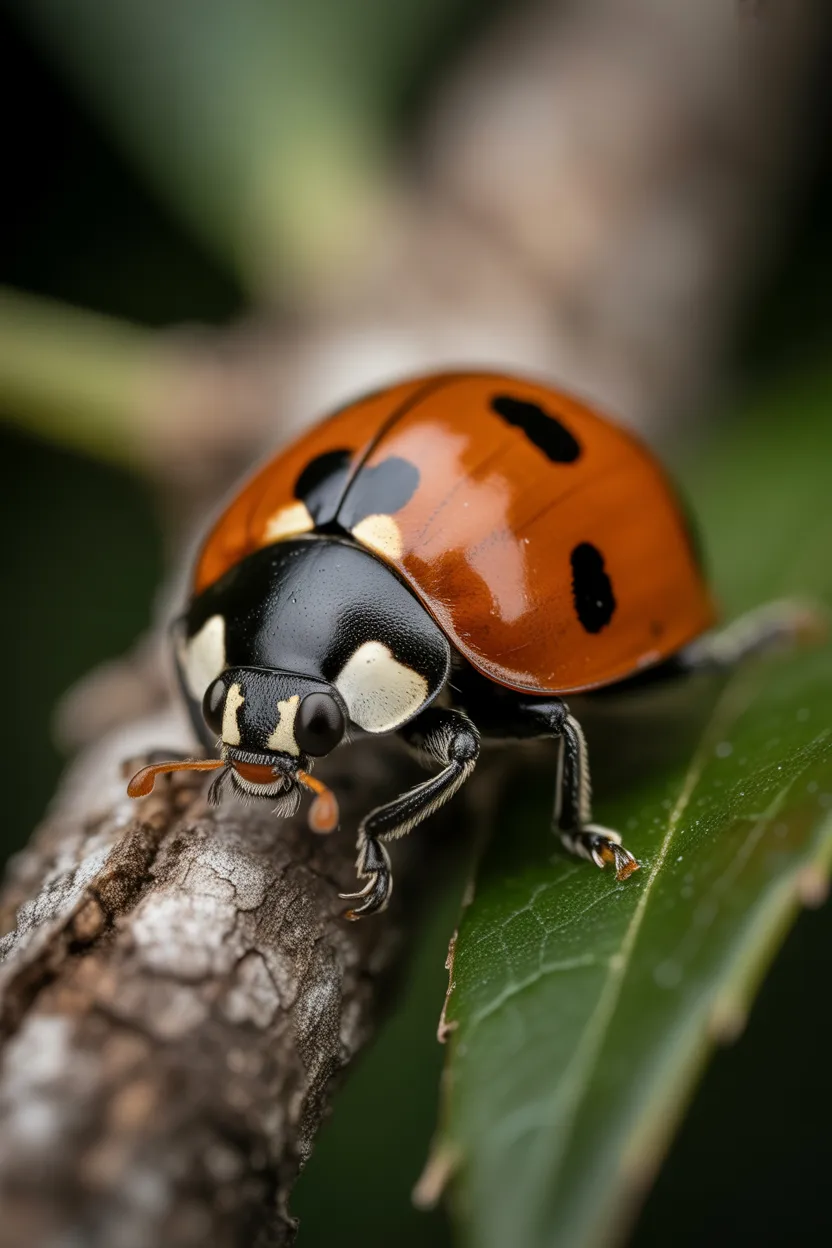
The eyed ladybug is one of the most visually striking species you might find in your garden. Its bright red or orange shell features large black spots with white centres, resembling eyes. These “eyespots” are thought to deter predators, giving the ladybug a unique advantage in survival.
Eyed ladybugs are primarily found in Europe and prefer deciduous forests, but they occasionally wander into gardens, especially those with plenty of aphids and other soft-bodied pests.
8. Seven-Spot Ladybug (Coccinella magnifica)
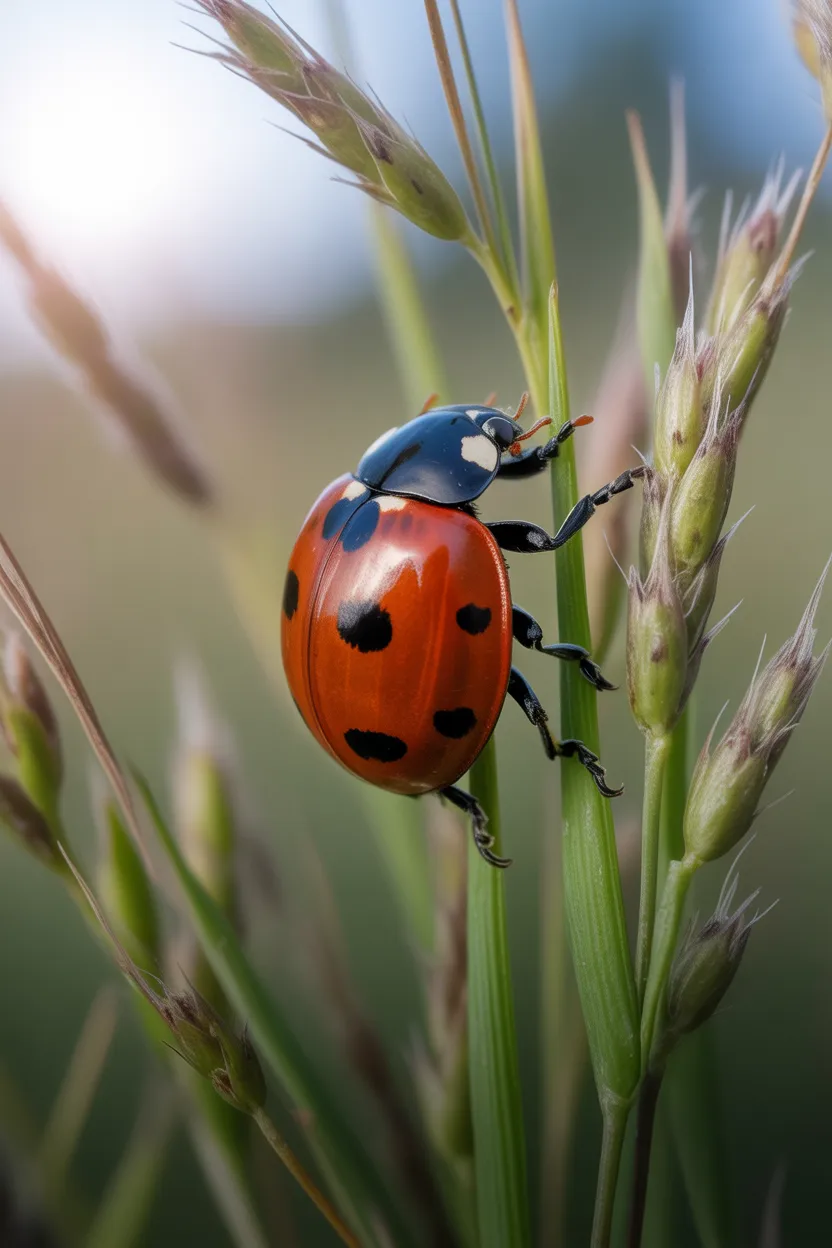
Not to be confused with the seven-spotted ladybug, the seven-spot ladybug (Coccinella magnifica) is slightly larger and has a more robust body. Its seven black spots on a red background make it distinctive. This species is highly effective at hunting aphids and small insects, and it prefers open meadows and garden edges.
This ladybug is a favourite among gardeners for its ease of recognition and effectiveness in maintaining pest-free plants.
9. Orange Ladybug (Harmonia axyridis)
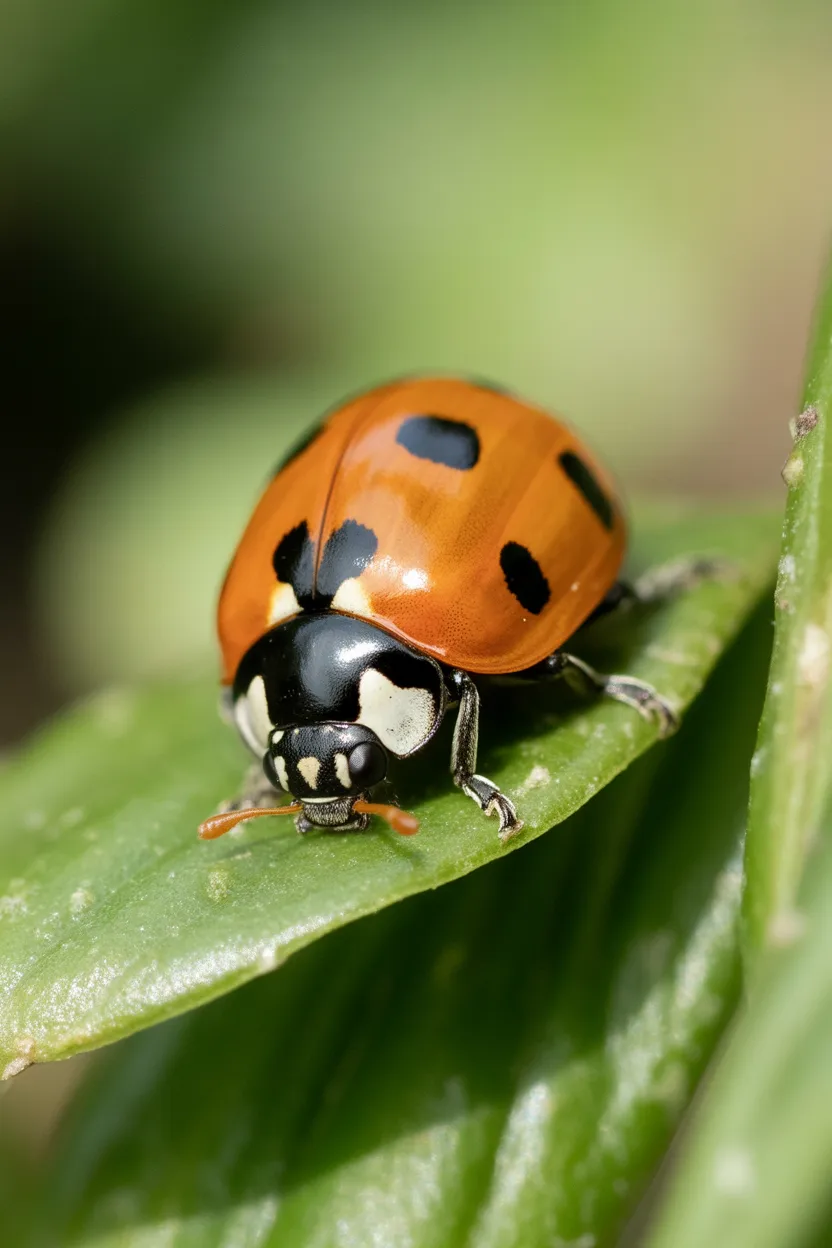
Also known as the harlequin ladybug, the orange ladybug is highly variable in colour, ranging from bright orange to deep red, with black spots or even no spots at all. Introduced to North America and Europe as a biological control agent, it has become one of the most common types of ladybugs in garden.
While highly effective against pests, gardeners should note that the harlequin ladybug can be invasive and sometimes outcompetes native species. Nonetheless, it remains a familiar and beneficial sight in gardens around the world.
10. Pine Ladybug (Exochomus quadripustulatus)
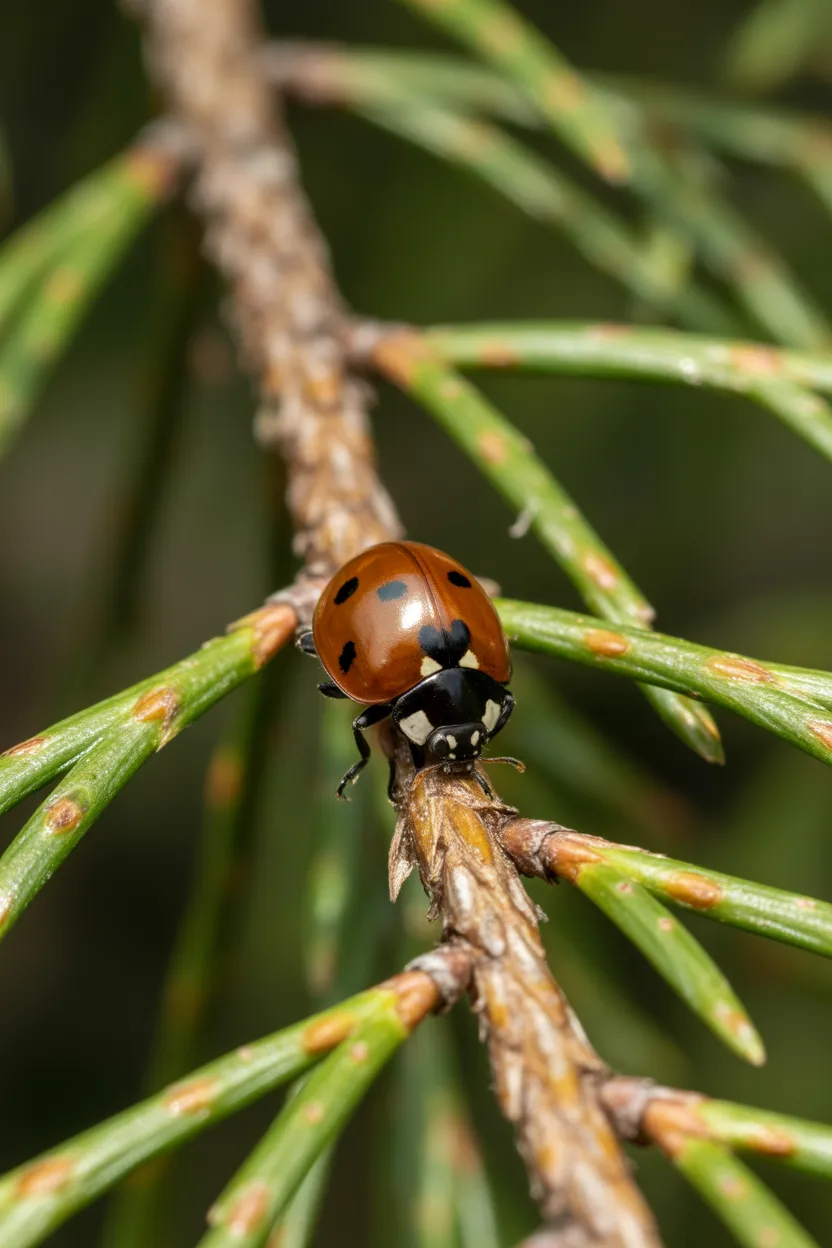
The pine ladybug is a small, rounded species that often appears on coniferous trees but can also be spotted in gardens. Its dark body with red or orange spots helps distinguish it from other species. This ladybug primarily feeds on scale insects, making it valuable for protecting ornamental plants and fruit trees.
Pine ladybugs are especially useful in early spring, when scale insects begin to emerge and threaten young plant shoots.
11. Fifteen-Spotted Ladybug (Anatis labiculata)
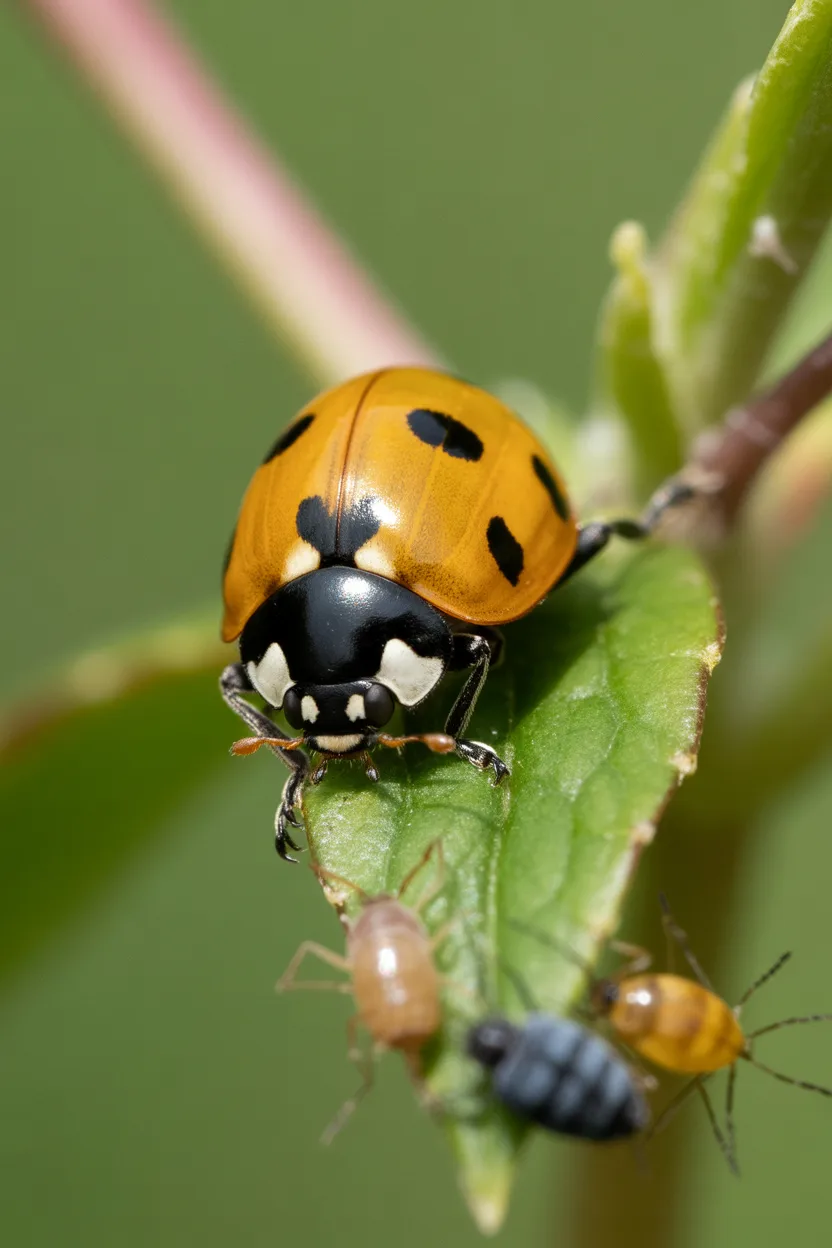
With its distinctive 15 black spots on a yellow or orange shell, the fifteen-spotted ladybug is another garden favourite. It primarily feeds on aphids and is highly active during the growing season. Gardeners often appreciate this species for its hardiness and ability to thrive in various climates.
Observing a fifteen-spotted ladybug in your garden can be a sign of a balanced ecosystem, where beneficial insects help maintain plant health naturally.
12. Twice-Stabbed Ladybug (Chilocorus stigma)
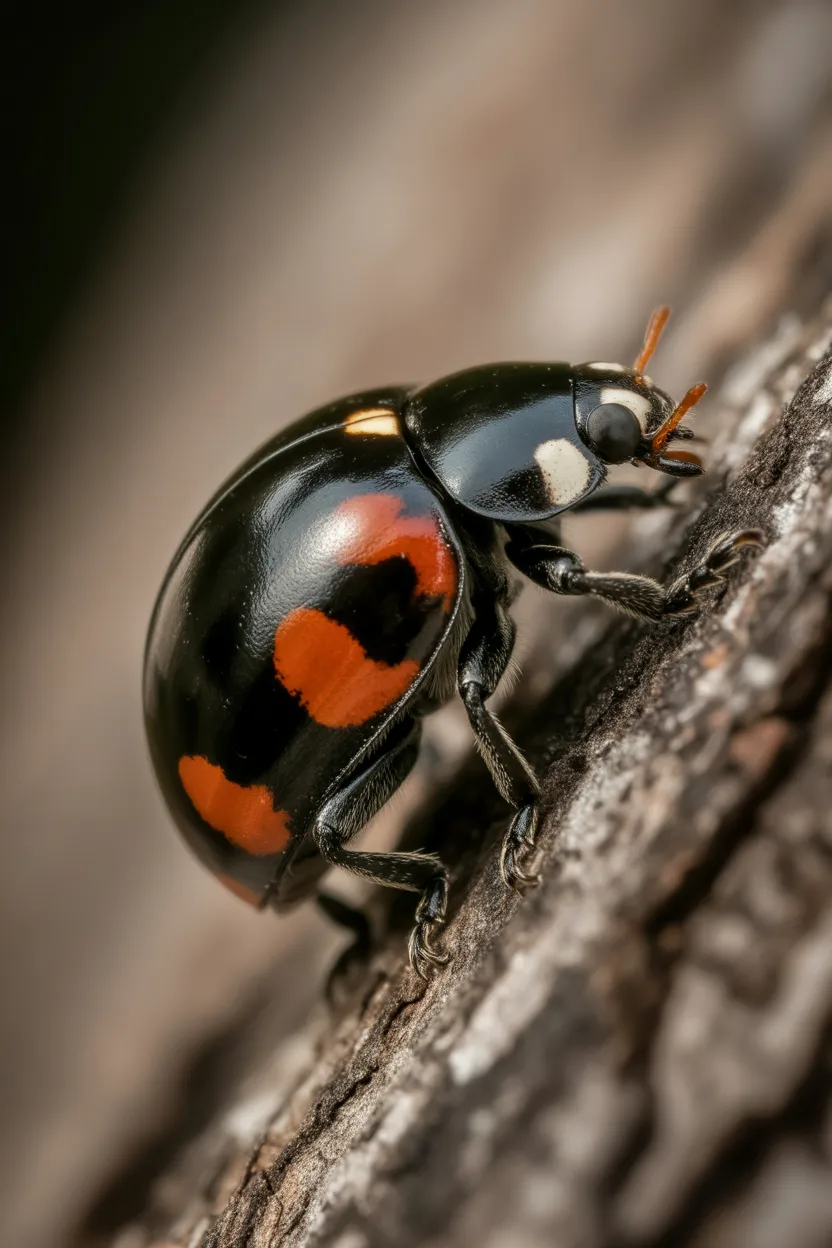
The twice-stabbed ladybug gets its name from the two prominent red spots on its small, black body. This species is particularly effective against scale insects and other hard-bodied pests. It is commonly found on ornamental shrubs, fruit trees, and garden plants.
Its discreet appearance belies its efficiency as a predator, making it a quiet but powerful ally for gardeners.
13. Globular Ladybug (Coccinella transversalis)
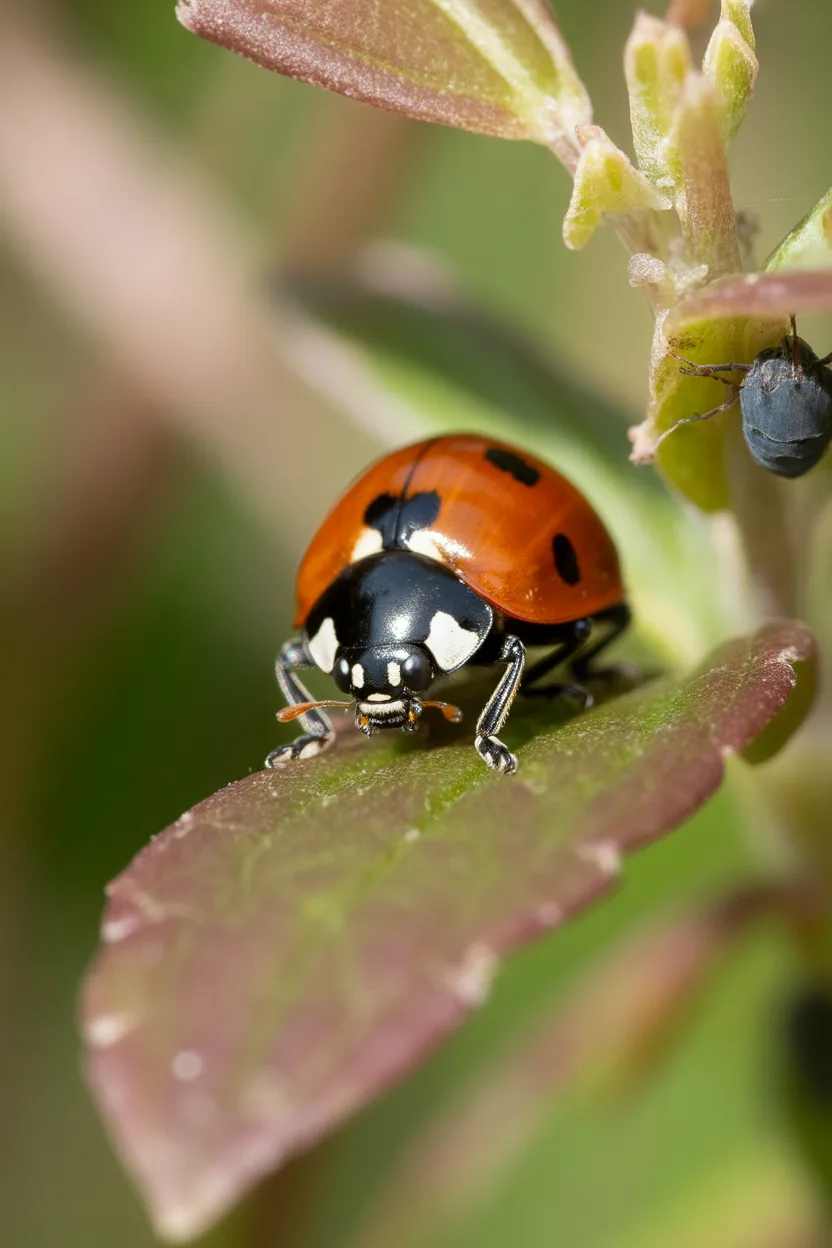
The globular ladybug, also known as the transverse ladybird, is notable for its rounded shape and bold black-and-red pattern. It preys primarily on aphids and other soft-bodied insects. Found in gardens, fields, and forest edges, this ladybug is a strong example of how diverse the types of ladybugs in garden can be.
Gardeners often enjoy watching globular ladybugs at work, as they quickly move across leaves, hunting pests with precision.
How to Encourage Ladybugs in Your Garden
Now that you know the most common types of ladybugs in garden, you may wonder how to attract them. Here are some tips:
- Plant Aphid-Friendly Flowers – Flowers such as marigolds, dandelions, and calendula attract ladybugs by providing food in the form of aphids and nectar.
- Avoid Pesticides – Chemical sprays can harm ladybugs and other beneficial insects. Opt for organic pest control methods instead.
- Provide Shelter – Ladybugs need safe places to overwinter. Leaving leaf litter or planting hedges and shrubs can provide them with a suitable habitat.
- Offer Water Sources – Small shallow dishes of water can help ladybugs stay hydrated, especially in dry conditions.
By following these simple steps, gardeners can encourage a healthy population of ladybugs, creating a natural and sustainable pest management system.
Identifying Ladybugs in Your Garden
Spotting and identifying ladybugs can be both fun and educational. Here are a few tips:
- Colour & Spots – Most ladybugs are red, orange, or yellow with black spots, but some species have different patterns or even lack spots entirely.
- Size & Shape – Some species are larger or more rounded than others. Comparing body size can help distinguish species.
- Habitat – Observing where a ladybug is found—on flowers, shrubs, or trees—can give clues to its species.
Keeping a small notebook and noting the characteristics of each ladybug you see can turn gardening into a mini wildlife observation project, perfect for adults and children alike.
Fun Facts About Ladybugs
- Life Span – Most ladybugs live for about one year, though some can survive up to two or three years.
- Defence Mechanism – When threatened, ladybugs can release a yellow fluid from their legs, deterring predators.
- Migration – Some species, like the convergent ladybug, migrate in large groups to find overwintering sites.
- Cultural Significance – Ladybugs are considered symbols of good luck in many cultures.
Understanding these small creatures can deepen your appreciation for the biodiversity in your garden.
Conclusion
Ladybugs are more than just pretty insects—they are essential allies for gardeners. From the familiar seven-spotted ladybug to the striking eyed ladybug, the diversity of types of ladybugs in garden is remarkable. Each species plays a unique role in controlling pests and maintaining a balanced ecosystem.
By recognising these 13 types of ladybugs, you can not only enjoy the visual beauty they bring to your garden but also harness their natural pest control abilities. Encouraging ladybugs through thoughtful planting, avoiding pesticides, and providing shelter can transform your garden into a thriving, eco-friendly paradise.
So next time you spot a tiny red or orange beetle on a leaf, take a moment to appreciate its role in the garden and perhaps try identifying which species you’ve found. Your garden—and the ladybugs—will thank you for it.